
The United Nations has issued a grave warning that Afghanistan is sinking deeper into a humanitarian catastrophe as worsening hunger, mass unemployment, and severe funding cuts push millions of families into desperate and irreversible coping measures. UN officials and humanitarian agencies stress that the crisis is not a natural disaster, but the direct result of economic collapse and restrictive policies imposed since the Taliban took power.
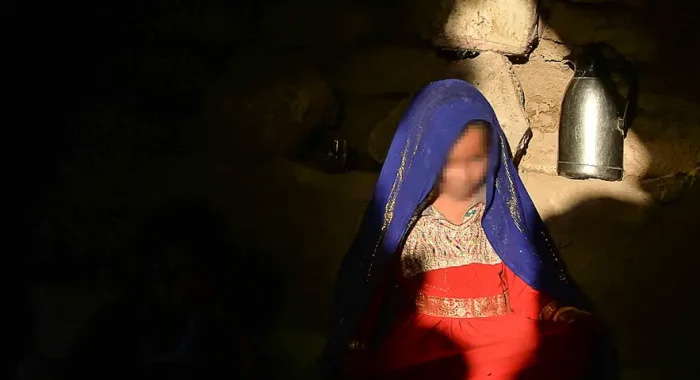
The World Food Programme (WFP) has raised alarm over rapidly escalating malnutrition across the country, particularly among women and children. John Ayliff, WFP’s Country Director for Afghanistan, warned that families are being driven to extreme measures simply to survive, including selling young girls into early and forced marriages to afford food.
“The hunger crisis is destroying lives and futures,” Ayliff said. “Women and girls are paying the highest price, yet this emergency has been dangerously overlooked by the international community.”
According to UN estimates, more than five million women and children are expected to suffer from malnutrition over the next 12 months. Nearly four million children will require urgent, life-saving treatment for severe malnutrition. Aid agencies warn that without immediate intervention, many of these children will not survive.
UN data show Afghanistan’s economy remains near total collapse. Approximately 75 percent of the population is unemployed, while over 90 percent live below the poverty line. The situation has been worsened by Taliban-imposed restrictions on girls’ education and women’s employment, which have stripped countless households of income and economic resilience.
In a report released Wednesday, UN agencies confirmed that poverty has deepened nationwide, while policies banning women from work and girls from school have accelerated the breakdown of family livelihoods. These measures have left households with no alternatives as food prices rise and humanitarian assistance shrinks.
Ayliff warned that critical funding cuts are forcing nutrition clinics to shut down across the country. “Children with severe malnutrition will die if treatment is unavailable,” he said, adding that WFP staff are increasingly witnessing children being pulled out of school and sent to work. “It is shocking to tell families that aid agencies no longer have funds to help.”
International aid organizations have linked the current crisis to earlier reports from western Afghanistan, including Herat, where families were already selling daughters into marriage as food shortages intensified. The International Rescue Committee has also confirmed that reduced U.S. funding has cut humanitarian access in Afghanistan by nearly two-thirds, further worsening hunger and deprivation.
UN officials emphasize that without urgent funding, policy changes, and sustained international engagement, Afghanistan’s hunger crisis will continue to deepen, inflicting long-term and irreversible social damage. Women and children, they warn, will remain the primary victims of a crisis driven by political decisions and systemic exclusion.
The United Nations and humanitarian partners are calling for immediate action to prevent further loss of life and to address the root causes of Afghanistan’s suffering before an entire generation is lost to hunger, poverty, and forced survival.



