
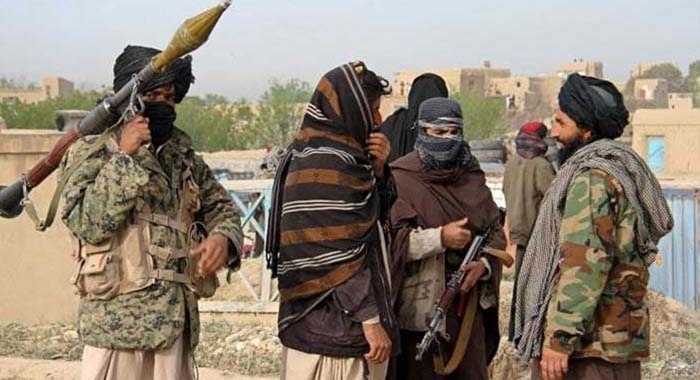
The recent wave of targeted killings, bombings, and systematic destruction of public infrastructure across Khyber Pakhtunkhwa has laid bare the true nature of the group commonly referred to as Fitna-al-Khawarij. Their campaign is not a confrontation limited to security forces; it is a calculated war against the people themselves, designed to spread fear, crush dissent, and force submission.
A dangerous misconception persists among sections of the local population that this violence concerns only militants and the state. This belief is not only incorrect but deeply harmful. Over the past several months, those who have spoken in favor of peace, stability, and constitutional order have been deliberately singled out. Tribal elders, religious scholars, former local government representatives, peace committee members, and ordinary citizens have all been targeted solely for refusing to bow to intimidation.
Alongside assassinations and bombings, entire communities have been punished through the destruction of bridges, roads, water pipelines, schools, homes, and livelihoods. This strategy follows a familiar and sinister pattern: isolate communities, eliminate voices of resistance, and impose control through terror. It is the same method that once plunged Swat into darkness and now threatens to engulf the merged districts once again.
From South Waziristan to Bannu, from Lakki Marwat to Swat and Charsadda, the bloodshed tells a single story. Pro-government tribal elders have been hunted down, former elected representatives narrowly escaped assassination attempts, peace committee leaders have seen their homes and sources of livelihood destroyed, and religious leaders preaching harmony have been murdered in mosques during prayer. Children have not been spared, nor have innocent civilians gathering in offices meant to promote peace. The message delivered by these acts is unmistakable: support us, or face death.
Despite repeated claims that civilians are not their targets, the reality could not be more stark. Those advocating peace are branded enemies. Communities that resist are collectively punished. The true victims of this campaign are the very people whose cooperation is being extorted through fear.
Equally alarming is the continued silence and hesitation that has allowed this menace to grow. Turning a blind eye in the hope of avoiding confrontation has never brought safety. History stands as a witness to the consequences of inaction, when extremist violence was allowed to spread unchecked until it consumed entire regions.
The choice before the people of Khyber Pakhtunkhwa is now unavoidable. Neutrality in the face of terror only strengthens those who thrive on fear. Supporting peace means standing with the state and its security forces in the effort to dismantle this threat. It means rejecting intimidation, refusing silence, and protecting those who raise their voices for harmony and coexistence.
Peace is not the burden of a single institution or a handful of brave individuals. It is a collective responsibility. The time has come for communities to move from fear to resolve, from silence to solidarity, and from uncertainty to action, so that this cycle of violence can be broken and a stable, secure future can be reclaimed.



