
Taliban authorities have intensified arrests and harassment of women in Herat, detaining them for allegedly failing to comply with the group’s prescribed dress code, according to local residents and witnesses.
Residents said personnel from the Taliban’s Ministry for the Propagation of Virtue and Prevention of Vice have significantly increased their presence over the past week in crowded areas of the city. Women have reportedly been detained in multiple locations for wearing clothing deemed “inappropriate” by Taliban enforcers.
Local sources said several women were arrested on Wednesday in different parts of Herat for wearing mantos, a form of outer garment that does not meet the Taliban’s requirement of a full burqa. Witnesses said that earlier the same day, Taliban officers also detained women near the city’s central hospital for not wearing the hijab mandated by the authorities.
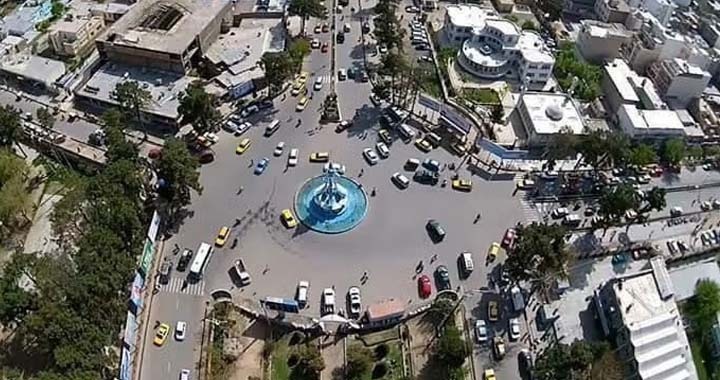
One witness said Taliban enforcers beat a woman in the Pul-e Rangina area over her clothing. Other residents reported the deployment of morality police at Pul-e Rangina, Cinema Square, Golha Square, Darb-e Iraq, and other busy intersections, where women’s dress is being closely monitored.
The latest arrests are part of a broader pattern. In previous incidents, Taliban enforcers have detained and beaten women in Herat, including female healthcare workers, for not wearing a burqa. Despite these risks, some women in the city continue to wear Arabic-style hijabs and mantos, defying Taliban directives at the cost of detention and abuse.
Restrictions have also extended to access to essential services. Taliban authorities have barred women without burqas from entering government facilities in Herat city and surrounding districts. Witnesses said morality police have prevented women from entering the central hospital, even in medical emergencies, solely on the basis of dress.
In earlier cases, female health workers were reportedly held inside the hospital for hours until burqas were brought from outside, effectively halting their ability to work and disrupting healthcare services.
These actions reflect a wider policy enforced across Taliban-controlled Afghanistan, where women have been excluded from secondary and higher education, removed from most forms of employment, restricted from travel without a male guardian, and subjected to public policing of personal behavior. The Herat crackdown underscores how enforcement has increasingly shifted from regulation to intimidation, punishment, and physical abuse.
As with the Taliban’s broader approach to governance, the repression of women is being institutionalized through coercion, with no legal recourse and no accountability. What is unfolding in Herat is not an isolated episode, but another step in the systematic erasure of Afghan women from public life.



