
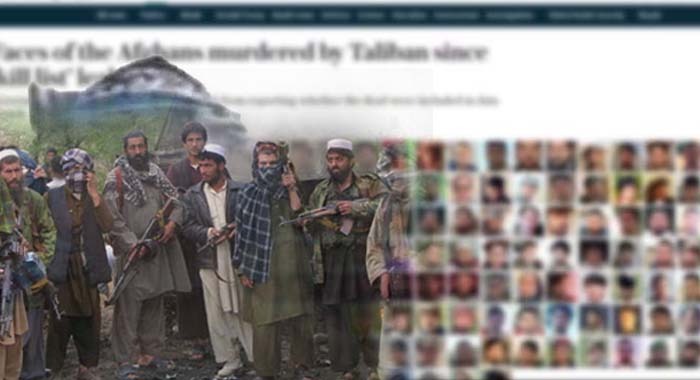
The killing of Yusuf, a former Junbish-i-Milli commander in Jowzjan, was not an isolated act of violence. It was the latest data point in a pattern that has grown clearer with time, the Taliban’s consolidation of power has relied not on reconciliation or law, but on targeted coercion, intimidation, and systematic elimination of perceived threats.
Yusuf’s trajectory exposes this architecture. Deported from Iran, arrested by Taliban authorities upon return, detained for weeks, released only after elders paid a substantial surety, and then assassinated by unknown gunmen, his case undermines any claim that the Taliban lacked awareness of his movements or status. His death mirrors dozens of similar cases involving former soldiers, police officers, intelligence officials, and political figures linked to the pre-2021 order.
United Nations documentation, Afghan media investigations, and human rights reporting consistently point to enforced disappearances, arbitrary detention, torture, and extrajudicial killings. Former commanders associated with Abdul Rashid Dostum, particularly in northern provinces, have been disproportionately targeted. Returnees from Iran have been detained at borders, disappeared into custody, or released only after payments. Others have not returned at all.
This pattern is reinforced by evidence obtained from within Taliban structures themselves. Internal reports, videos of confessions, and official documents from multiple provinces reveal direct involvement of Taliban personnel in executions carried out with state-issued weapons, often while perpetrators were on official duty. In several cases, those responsible were later released without trial, after families were pressured into signing forgiveness letters or accepting blood money.
Parallel to this violence runs the collapse of any meaningful judicial process. Public floggings, executions, and corporal punishment continue, administered without fair trials, legal representation, or transparency. By the Taliban’s own admission, hundreds have been flogged and several executed in public in a single year. Justice has become performative, punitive, and selectively enforced.
The repression extends beyond former officials. Journalists, doctors, teachers, women protesters, and civil society figures have all come under pressure. Female journalists have been detained under vague criminal accusations. Doctors have been summoned for ideological interrogation after treating patients. Teachers remain trapped in bureaucratic limbo as appointments stall without explanation.
What emerges is not chaos, but order of a specific kind. The Taliban have built a system where fear replaces accountability, silence substitutes consent, and violence enforces compliance. Amnesty exists in rhetoric only. In practice, political memory itself has been criminalized.
This erosion of trust has narrowed the space for reconciliation almost entirely. As repression deepens and accountability disappears, the Taliban’s claim to legitimacy weakens, even as their control tightens. The state they are building is not one of stability, but of managed fear.



