
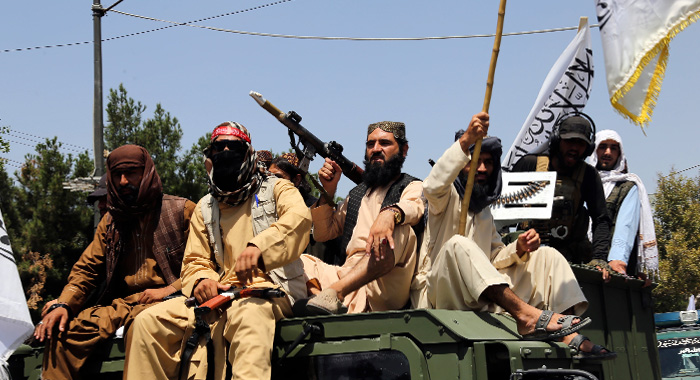
Four years into the rule of the Afghan Taliban regime, a disturbing pattern of arrests, enforced disappearances, and extrajudicial killings continues to grip Afghanistan, drawing grave concern from the international community. Credible investigations by the United Nations, Human Rights Watch, and independent Afghan media outlets have exposed the direct involvement of Taliban intelligence apparatus in serious human rights violations.
According to a United Nations report, at least 123 former Afghan military personnel were killed during 2025 alone under the Taliban regime, underscoring the ongoing targeting of individuals associated with the former Afghan security forces. These killings form part of a broader campaign of retribution that has persisted despite repeated Taliban assurances of general amnesty.
The United Nations Assistance Mission in Afghanistan (UNAMA) has confirmed that arbitrary arrests and enforced disappearances have become routine since 2021, when the Taliban took control of the country. UNAMA further documented that in 2023, nearly 200 former Afghan soldiers were killed, reflecting the systematic nature of the violence.
International watchdog Human Rights Watch has also corroborated multiple cases of enforced disappearances, unlawful detentions, and killings of former government officials and security personnel since the Taliban takeover. These reports indicate that victims are frequently detained without due process, held incommunicado, or executed without trial.
Adding to these revelations, Afghan media outlet Hasht-e Subh has reported on confessions by Taliban intelligence operatives who admitted involvement in multiple attacks, including assassinations of former military personnel. These admissions further strengthen evidence pointing to the institutional role of Taliban intelligence agencies in orchestrating targeted violence.
The reach of these killings has extended beyond Afghanistan’s borders. On 24 December 2025, a former Afghan military commander was shot dead in Tehran, raising serious concerns about transnational targeting of exiled Afghan security officials.
Human rights organizations warn that the continued climate of fear, impunity, and repression has left former Afghan soldiers, officials, and their families in constant danger, both inside and outside Afghanistan. They have urged the international community to intensify monitoring, ensure accountability for perpetrators, and take concrete steps to protect vulnerable populations.
As evidence mounts, global human rights bodies stress that without meaningful accountability and international pressure, the cycle of violence and repression under the Taliban regime is likely to persist, further deepening Afghanistan’s humanitarian and human rights crisis.



