
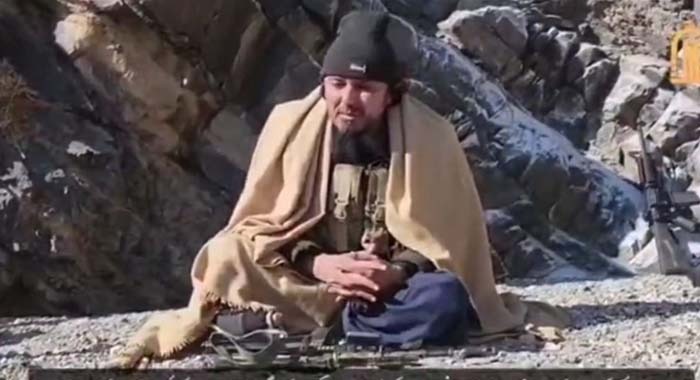
Sabarkaf Meohmond, a senior leader of the banned militant group Jammat-ul-Ahrar, has publicly confirmed that fighters crossing from Afghanistan have carried out attacks inside Pakistan, according to a video message released from Afghanistan. The video, purportedly recorded in Pakistan, was issued amid reports of recent splits between the Tehrik-i-Taliban Pakistan (TTP) and Jammat-ul-Ahrar.
In the video, Sabarkaf Mehmood dismissed rumors of his arrest in Afghanistan, labeling them as baseless and fabricated. He addressed militants attempting to enter Pakistan, urging them to return to Afghanistan instead. Mehmood emphasized that an Islamic system has been established in Afghanistan and that fighters should remain in the country to contribute to strengthening and consolidating this system rather than carrying out operations across the border.
The message specifically highlighted the leadership of Jammat-ul-Ahrar Emir, Umar Khorasani, rather than the TTP’s Emir, Mufti Noor Wali Mehsud, signaling a further delineation between the two groups. Fighters were instructed to follow Khorasani’s directives and avoid engaging in cross-border violence, marking a significant statement on operational strategy and internal coordination within the group.
This video comes shortly after Mohmond had publicly accused certain TTP members of attempting to assassinate him by poisoning his food, reflecting ongoing tensions and mistrust between the two organizations. Analysts note that the message may also aim to consolidate Jammat-ul-Ahrar autonomy and influence within the region while addressing the issue of cross-border militancy.
The release of this video underscores the continuing complexity of militant networks operating along the Afghanistan-Pakistan border, as well as the importance of monitoring developments to prevent further escalation of violence in Pakistan. Security authorities are expected to assess the implications of this message for counter-terrorism operations and border security in the coming weeks.
The statement by Sabarkaf Mehmood serves as a critical indicator of shifting allegiances, operational directives, and internal dynamics within banned militant groups active in the region, highlighting the persistent challenge of cross-border terrorism and the need for coordinated regional security measures.



