
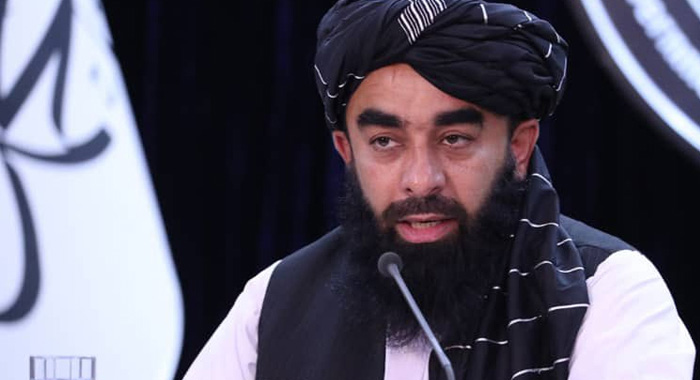
The recent statement by the self-styled Taliban spokesperson, Zabihullah Mujahid, labeling the remarks of Pakistan’s Director General ISPR as “irresponsible” is a textbook example of the proverb “the pot calling the kettle black.” It reflects a troubling level of hypocrisy from a figure whose own record is marred by misinformation, duplicity, and a consistent disregard for regional stability.
At a time of heightened tensions between Afghanistan and Pakistan, the same spokesperson actively disseminated fabricated content, including falsely portraying Russian military hardware as Pakistani tanks. Such deliberate disinformation campaigns undermine any moral authority to lecture others on responsibility or credibility. To present oneself today as a guardian of responsible conduct, after such actions, is not only contradictory but deeply disingenuous.
In attempting—yet failing to portray Afghanistan as a “responsible state,” the Taliban leadership has instead exposed the hollowness of its own claims. The narrative of responsibility collapses under the weight of facts presented by the DG ISPR, who clearly and evidentially demonstrated that Afghanistan’s neighbors are increasingly alarmed by cross-border terrorism emanating from Afghan soil. This is not rhetoric or accusation; it is an established ground reality acknowledged across the region.
The international community no longer views Afghanistan as merely a victim of terrorism. Rather, it is increasingly identified as a primary source and safe haven for multiple terrorist organizations. Despite this growing global consensus, Taliban representatives continue to deflect blame and issue unsolicited advice to others a posture that reflects denial rather than leadership.
Today, nearly all major international terrorist groups operate with impunity within Afghanistan, enjoying safe havens and operational freedom. In such circumstances, advising Pakistan—or any other state—on responsibility is not only inappropriate but amounts to blatant audacity.
The path forward is clear. Instead of issuing hollow statements, the Taliban must first demonstrate responsibility at home: prevent cross-border terrorism, dismantle militant sanctuaries, and take verifiable, practical steps that prove their capacity to govern a state rather than merely control territory.
Moreover, adherence to international commitments, particularly the Doha Agreement, is essential. History repeatedly shows that duplicity, broken promises, and double standards inevitably lead to political isolation and adverse consequences.
It must also be remembered that power acquired under the banner of an “interim arrangement” is neither permanent nor guaranteed. The arrogance of authority has often preceded its downfall, and the pages of history are replete with such examples.
If current policies persist, global disillusionment may once again push Afghanistan into isolation back toward the margins of the international community. Lecturing others on responsibility will not avert that fate. Only genuine, demonstrable accountability will.



