
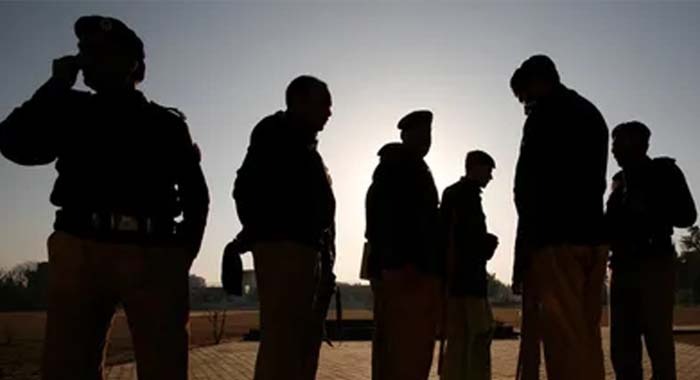
What is unfolding in Khyber Pakhtunkhwa is not a series of isolated security incidents, nor an emotional narrative shaped by momentary outrage. It is a calculated, long-running proxy war, driven by an extremist ideology nurtured across the border and sustained through violence, deception, and denial.
For years, ruling elements in Kabul and their ideological backers have promoted a dangerous and fabricated narrative claiming that Khyber Pakhtunkhwa, and at times even areas as far as Attock, somehow “belong” to Afghanistan and must be “reclaimed.” These claims have no basis in history, international law, or ground reality, yet they continue to be weaponized to justify bloodshed.
More than 40 million Pashtuns live in Khyber Pakhtunkhwa as proud Pakistani citizens. They vote in Pakistan’s elections, pay taxes to the Pakistani state, serve in its armed forces and law enforcement agencies, and are buried under its flag. Their identity is neither temporary nor disputed. Still, a small but lethal network of misguided extremists, driven by a foreign agenda and Khawarij-style ideology, has chosen to spill the blood of their own people for someone else’s war.
This conflict is not with the ordinary people of Afghanistan. It is with an ideology resurrected under Taliban rule, one that thrives on expansionist myths and religious extremism. Under the patronage of the Afghan Taliban, hundreds of trained militants and thousands of radicalized madrassa students have been deliberately absorbed into the TTP and allied groups. They were quietly infiltrated into multiple districts of Khyber Pakhtunkhwa, embedded within civilian populations, and unleashed against police, Frontier Constabulary, armed forces, and innocent civilians.
This is not jihad.
This is organized guerrilla terrorism.
Following the Money and the Weapons
A critical question demands an honest answer:
How does an individual who once struggled to afford daily meals suddenly possess weapons and gear worth millions of rupees?
Modern assault rifles, thermal scopes, advanced optics, grenades, encrypted communication equipment, combat boots, and tactical gear averaging over PKR 4 million per terrorist. No ordinary Pakistani, especially from a rural or tribal background, can procure such resources independently.
The sources are well known, even if often avoided:
Abandoned U.S. weapons, foreign funding networks, and safe havens on Afghan soil all operating under the watch, and often with the tolerance or support, of the Afghan Taliban. Pakistan has repeatedly presented these facts to the United Nations and international partners, yet Kabul’s response remains consistent: denial, hostility, and continuation of a proxy conflict.
No region has suffered more than Khyber Pakhtunkhwa.
Bombed marketplaces.
Suicide attacks in mosques.
Targeted killings of police officers.
Funerals of young men who never chose this war.
These are not random tragedies; they are components of a structured and deliberate campaign.
It is also a documented reality that between 2016 and 2018, the province experienced relative peace without daily casualties or large-scale operations. The current resurgence of violence traces back to a limited number of local collaborators estimated between five to ten thousand who facilitated the return of foreign militants, provided shelter, and turned their own homeland into a battlefield.
Using Civilians as Shields, Then Blaming the State
Pakistan’s security forces are not adversaries of civilians. The core challenge lies in the Taliban-style tactic of deliberately hiding among civilians, using homes, mosques, and populated areas as shields, and then attempting to shift blame onto the state. This is neither new nor accidental it is a well-worn terrorist strategy.
One reality must now be stated plainly:
The Afghan Taliban and their ideological allies cannot tolerate an educated, constitutionally empowered, and politically conscious Pashtun population in Pakistan. Such communities expose the hollowness of their narrative. That is why there is hostility, why blood is spilled, and why hollow slogans about “reclaiming land” are repeatedly amplified.
A Choice That Can No Longer Be Delayed
The decision now rests with the people of Khyber Pakhtunkhwa:
To remain hostage to a few thousand traitors serving a foreign proxy war, or to assert clearly and collectively that this land is not anyone’s fiefdom, and its people are not expendable fuel for extremist ambitions.
Silence will bring more coffins.
Wisdom may be the last remaining chance.



