
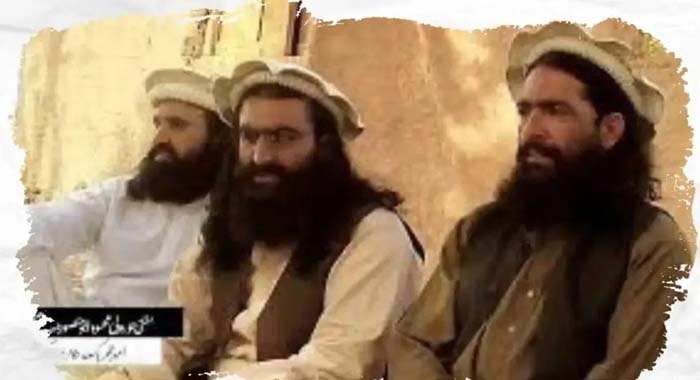
Credible intelligence has revealed that a high-level executive council meeting of the banned militant outfit widely referred to as Fitna al-Khawarij was convened in Kabul on 2–3 January under full protection and patronage of the Afghan Taliban. The gathering took place in the highly secured Wazir Akbar Khan area an enclave known for strict access controls underscoring the level of facilitation provided.
The meeting was chaired by Noor Wali Mehsud and focused on reviewing the group’s operational direction, organizational restructuring, and planned militant activities for 2026, with a clear emphasis on Pakistan-centric objectives. Participants discussed command arrangements, coordination mechanisms, and future trajectories, highlighting an ongoing intent to destabilize the region.
Multiple sources confirm that Afghan Taliban authorities provided complete security, logistical cover, and safe access for the meeting. Extraordinary security protocols were enforced: attendees were barred from carrying mobile phones or electronic devices, and movement in and out of the venue was tightly controlled. Such measures point to a coordinated effort to conceal the proceedings and prevent detection.
Significantly, Jamaat-ul-Ahrar once a key faction was not invited to the executive council meeting and has been formally sidelined from the group’s structure. In a parallel development, Jamaat-ul-Ahrar reportedly held a separate meeting in Paktika, signaling widening fractures and intensifying factionalism within the militant landscape.
These developments expose a growing internal crisis and power struggle, with competing factions diverging over leadership, alignment, and operational control. The exclusion of Jamaat-ul-Ahrar reflects an attempt by the core leadership to consolidate authority amid dissent.
The Kabul meeting lays bare the continued use of Afghan soil for militant coordination and planning, raising serious concerns for regional and international security. The location, timing, and security arrangements collectively point to systematic facilitation, contradicting claims that Afghan territory is not being used against neighboring states.
The revelations from Kabul not only expose Taliban patronage of militant actors but also highlight deepening internal disunity within the network itself. As factions splinter and leadership tightens control, the region faces heightened risks stemming from safe havens, cross-border ambitions, and an evolving militant architecture.
The international community and regional stakeholders must take serious note of these findings and reinforce collective efforts to ensure that Afghan territory is not exploited for activities that threaten peace and stability beyond its borders.



