
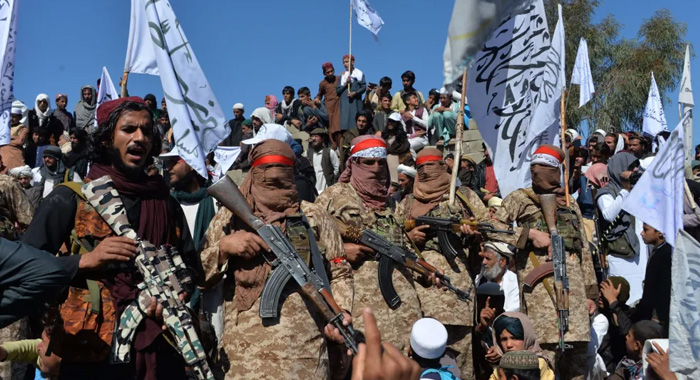
Afghanistan’s Taliban authorities have announced the training of more than 181,000 security personnel over the past year, a disclosure that has raised renewed concerns among observers about the group’s accelerating militarization and long-term intentions.
According to Zabihullah Mujahid, chief spokesperson for the Taliban leadership, the Ministry of Defense trained a total of 181,084 personnel during the year. In addition, he said that 100,300 police officers completed training programs covering security duties, criminal investigations, border management, logistics, and other specialized fields.
While Mujahid portrayed the initiative as an effort to enhance “professionalism” and improve security nationwide, critics argue that the scale and speed of these training programs point to a deliberate expansion of the Taliban’s armed and coercive capacity rather than genuine state-building. The announcement comes as the Taliban remain internationally isolated, unrecognized by most governments, and under sanctions for their past and ongoing conduct.
Security analysts warn that the rapid buildup of Taliban-controlled forces, without transparency, civilian oversight, or adherence to international norms, risks further entrenching authoritarian rule in Afghanistan. They also note that such expansion does little to address the country’s deepening humanitarian crisis, economic collapse, or widespread human rights concerns, particularly restrictions on women and girls.
Despite Taliban claims of improving stability, armed resistance, extremist activity, and insecurity continue to pose challenges in various parts of the country. Observers caution that a growing, ideologically driven security apparatus could heighten internal repression and increase regional anxieties, especially among neighboring states already wary of spillover risks.
As Afghanistan remains cut off from much of the international community, critics stress that expanding security forces without political inclusivity, accountability, and respect for fundamental rights underscores the Taliban’s continued prioritization of control and force over meaningful reform and sustainable peace.



