
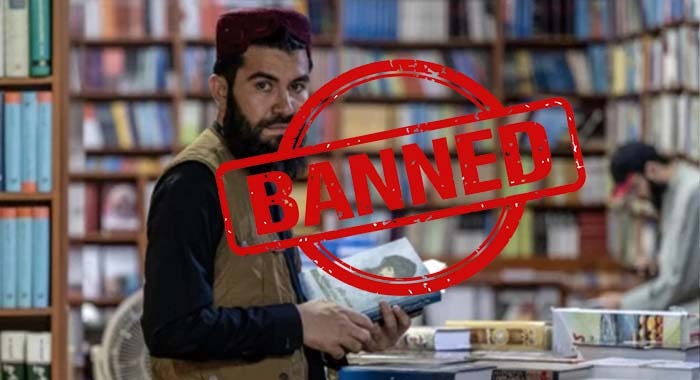
Afghanistan is facing a profound crisis in education and intellectual freedom as the Taliban have banned over 670 university-level textbooks along with a large number of general reading books, raising alarm among scholars, students, and international observers. This sweeping prohibition threatens to undermine the academic landscape and restrict access to diverse knowledge in the country.
According to the Afghanistan Analysts Network (AAN), the Taliban have specifically targeted subjects including human rights, democracy, constitutional law, electoral systems, sociology, and ethics. Many of these textbooks have either been entirely removed from university curricula or heavily restricted, effectively limiting critical inquiry and comprehensive learning.
The bans also extend to works by women authors and Iranian writers, as well as books covering significant historical and political topics, as reported by local media outlet Hasht-e Subh. These measures have made independent research and free study nearly impossible, creating an environment of ideological control and intellectual suppression that stifles free thought and scholarly debate.
Experts warn that this move will have far-reaching consequences for Afghanistan’s educational development and social progress, particularly for women and marginalized communities who rely on access to a broad range of academic resources. By curtailing exposure to global ideas and limiting critical perspectives, the Taliban are jeopardizing the country’s future capacity for informed governance, civic engagement, and innovation.
The international community and human rights organizations have condemned the ban, calling it a serious violation of academic freedom and the right to knowledge. They stress the urgent need for measures to preserve intellectual diversity and ensure that Afghan students and scholars retain access to the knowledge required to contribute meaningfully to both national and global discourse.
This latest action by the Taliban underscores a systematic effort to control education and restrict intellectual inquiry, further isolating Afghanistan from the international academic community and threatening the development of a well-informed and capable society.



