
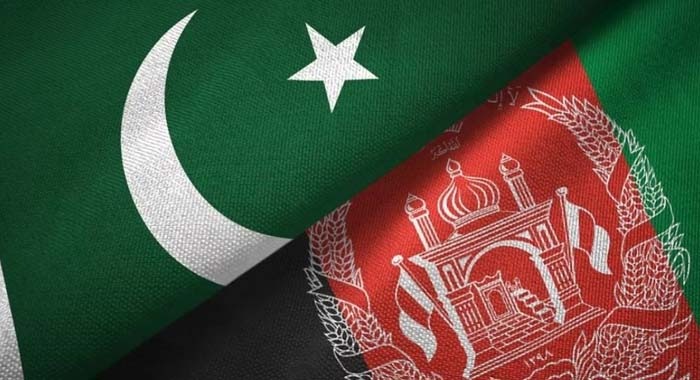
For decades, a narrow and costly political narrative has taken root in Afghanistan one that equates nationalism and patriotism with hostility toward Pakistan. This perception, cultivated by extremist elements and reinforced by opportunistic political leadership, has framed enmity with Pakistan as a prerequisite for loyalty to Afghanistan’s national interests. From territorial disputes and inflammatory slogans to support for disruptive movements, anti-Pakistan sentiment has too often been weaponized as a political credential.
This narrative raises an essential question: where did this hostility begin, and who has truly benefited from it?
The origins can be traced back to the revival of the so-called “Pashtunistan” claim during the era of Mohammad Daoud Khan. Since then, Afghanistan has remained trapped in a cycle of confrontation that has yielded no strategic gains only prolonged instability, economic stagnation, and suffering for its people. History shows clearly that Afghanistan has consistently paid the heaviest price for this adversarial approach.
Today, there is an urgent need to reassess and abandon this outdated and damaging mindset. Genuine national interest does not lie in perpetual hostility, but in peaceful coexistence, constructive engagement, and respect for sovereignty. Stability in Afghanistan is inseparable from stable relations with its neighbors, particularly Pakistan a permanent geopolitical reality that cannot be ignored or wished away.
A recalibration of policy requires difficult but necessary steps: ending support or tolerance for militant and destabilizing groups, recognizing internationally acknowledged borders, and refraining from interference in the internal affairs of neighboring states. Persisting in confrontational postures only drains national resources and diverts attention from Afghanistan’s most pressing priorities economic recovery, development, investment, and social cohesion.
No nation secures its future by sacrificing the well-being of its people to ideological rigidity or symbolic antagonism. Afghanistan’s path forward depends on pragmatism, not provocation; cooperation, not conflict.
Given the geopolitical realities of the region, the most rational, responsible, and truly patriotic course for Afghanistan is one of dialogue, engagement, and normalization with Pakistan. Friendship and mutual respect—not hostility—offer the only sustainable foundation for peace, prosperity, and regional stability.



