
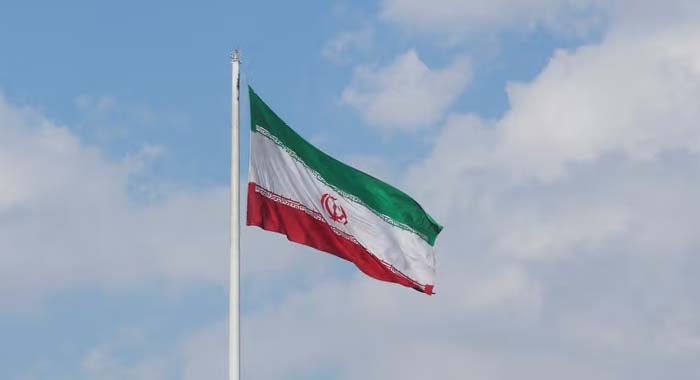
In a dramatic diplomatic move, Iran is stepping up efforts to broker a political arrangement between the Taliban and Afghanistan’s opposition factions, signaling a growing concern about the stability of the regime and the escalating international pressure on the insurgent group. Tehran, which has increasingly aligned itself with the Taliban since their return to power in 2021, is now seeking to preserve Taliban rule by encouraging the opposition to negotiate a settlement despite the group’s widespread abuses and failures in governance.
Sources reveal that Iranian officials have been hosting prominent Afghan opposition figures in Tehran, attempting to forge a political reconciliation that would allow the Taliban to maintain control over Afghanistan. These diplomatic overtures come as Iran seeks to safeguard its strategic interests in the region, particularly in light of deteriorating relations between the Taliban and neighboring Pakistan. Iran’s primary goal appears to be stabilizing the Taliban regime, which has served Tehran’s economic interests, as Afghanistan’s trade with Iran now surpasses that of many European countries.
However, Tehran is increasingly aware of the growing rifts between the Taliban and its regional allies, especially Pakistan, which has openly raised the prospect of “regime change” in Afghanistan. Iran fears that Pakistan’s growing engagement with anti-Taliban factions could further destabilize Afghanistan, and as a result, it is pushing for a political settlement that would prevent the opposition from gaining momentum.
Despite Tehran’s support, the Taliban’s rule has been marked by widespread human rights violations, corruption, and a failure to form an inclusive government. The regime’s repressive policies, particularly toward women and ethnic minorities, have drawn condemnation from international organizations and the Afghan populace. The Taliban’s refusal to honor promises of political inclusivity has alienated key segments of Afghan society, resulting in a deeply divided and unstable nation.
Under Taliban rule, Afghanistan has seen a drastic erosion of civil liberties, with women banned from secondary education and many public spaces. The group’s violent crackdown on peaceful protests and its brutal treatment of journalists have further underscored the authoritarian nature of its government. The Taliban’s crackdown on ethnic minorities, including Hazaras, has also raised alarm among human rights groups globally.
Tehran’s engagement with Afghanistan’s opposition figures is seen as an attempt to secure a more stable political environment under Taliban rule, even as the group’s internal failings become increasingly apparent. Meetings have reportedly been held in Tehran with former Afghan government officials, including former vice presidents, national security advisers, and members of the National Resistance Council for the Salvation of Afghanistan. While Iran is urging these opposition figures to seek reconciliation with the Taliban, many are wary of any deals with a regime that continues to defy the principles of democracy, human rights, and national unity.
In one significant move, Batur Dostum, the son of former Vice President Abdul Rashid Dostum, was seen in Tehran, raising questions about Iran’s role in seeking to unite traditional anti-Taliban leaders. While some opposition figures, such as former Foreign Minister Hanif Atmar and former Balkh Governor Atta Mohammad Noor, have denied meeting with Iranian officials, the situation remains fluid. Images of Dostum’s visit have fueled speculation about Iran’s influence in facilitating behind-the-scenes negotiations.
Iran’s overtures to the opposition come amid growing tensions between the Taliban and Pakistan. Sources suggest that Pakistan may be backing opposition groups in an effort to weaken the Taliban’s grip on power. In response, Iran is pushing for these opposition leaders to align more closely with the Taliban, fearing that any external intervention, particularly from Pakistan, could embolden resistance movements and further destabilize the region.
Iran’s decision to support the Taliban despite the group’s increasingly authoritarian rule and widespread international condemnation highlights the complexity of regional geopolitics. While Iran benefits from trade with the Taliban-controlled Afghanistan, it is also deeply concerned about the possibility of Pakistan exerting greater influence over the anti-Taliban forces.
Despite Iran’s diplomatic efforts, Afghanistan’s opposition remains steadfast in its commitment to challenging the Taliban’s rule. In the coming days, key figures from the National Resistance Council for the Salvation of Afghanistan, along with former Afghan government officials, are expected to hold a high-level unity meeting. The declaration that will emerge from this meeting is expected to focus on resolving Afghanistan’s political crisis through inclusive intra-Afghan negotiations, restoring national sovereignty, and holding the Taliban accountable for its human rights abuses.
The opposition is also calling for a representative government that respects fundamental human rights, guarantees equality for all Afghan citizens, and provides critical humanitarian assistance to the millions suffering under the Taliban’s harsh rule.
Iran’s increasing efforts to mediate between the Taliban and opposition groups reflect the complexities of regional diplomacy and the increasingly unstable situation in Afghanistan. While Tehran seeks to preserve the Taliban regime for its own strategic interests, it remains to be seen whether such efforts can overcome the deep divides in Afghan society and the international community’s growing opposition to the Taliban’s brutal, authoritarian rule.
As the Taliban’s international isolation deepens and the humanitarian crisis worsens, the prospects for a political settlement remain uncertain. What is clear, however, is that Afghanistan’s future will be shaped by internal resistance and the international community’s efforts to hold the Taliban accountable for its actions.



