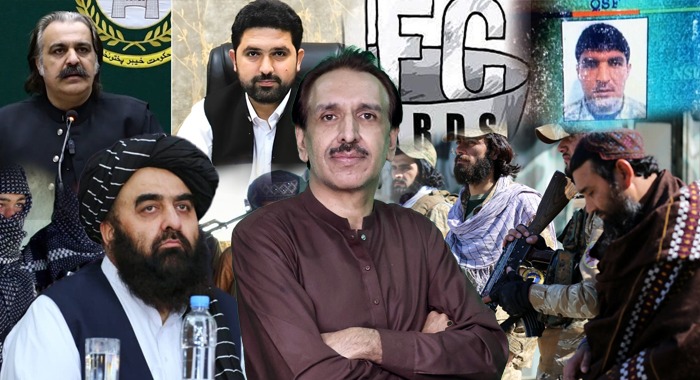
The ongoing tension between Afghanistan and Pakistan has severely undermined regional peace and security. Countries around the world are increasingly concerned about the destabilising situation. Denmark has highlighted the issue, and the United States has voiced a strong reaction. Russia, too, has warned that terrorist groups in Afghanistan are now employing new technology to conduct attacks. Alarmingly, reports indicate that there are 23,000 non-national terrorists in Afghanistan, making the threat not just regional but international.
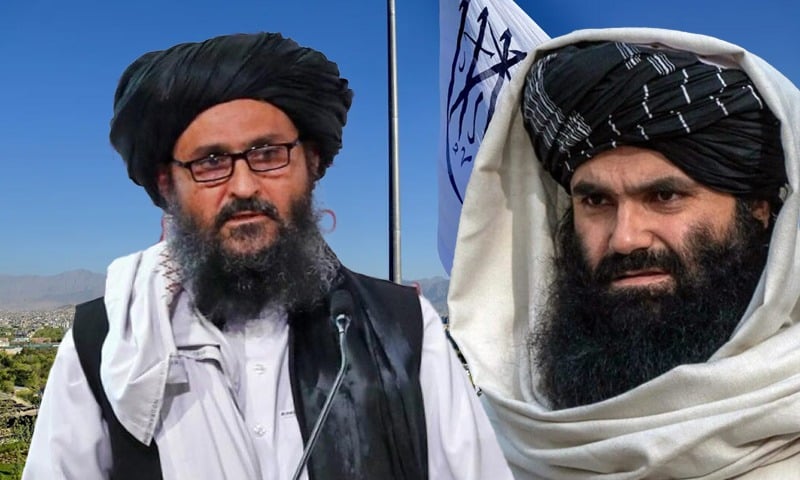
More than 25 terrorist groups operate within Afghanistan, 15 of which target Pakistan directly. Among them, the Tehreek-e-Taliban Pakistan (TTP) is the largest and most active. Beyond carrying out attacks in Pakistan, TTP has become a strategic tool for the ruling factions in Afghanistan, where the absence of a stable government has allowed terrorist groups to operate with impunity. The Haqqani network and other factions openly claim TTP as their proxy, turning the group into a state-backed asset.
Recent developments indicate that Tajikistan has asked Russia to cooperate on securing Afghanistan’s dangerous borders, signalling the growing international concern. Other nations, including Denmark, are increasingly vocal about the threats emanating from Afghanistan, which aligns with Pakistan’s longstanding warnings: these terrorist groups are not just a problem for Pakistan, but for the region and the world at large. The arrest of an Afghan terrorist in Washington, D.C., and reports of potential U.S.-Pakistan operations targeting Afghan soil underscore the seriousness of the situation.
Pakistan’s stake in addressing this challenge is critical. Its counter-terrorism strategy needs not just simplification, but decisive execution. Measures such as regulating Afghan immigration through Torkham and Chaman, rather than relying solely on trade restrictions, are steps in the right direction. Coordinated international strategies, including those being implemented along the Russia-Tajikistan border, highlight the importance of multilateral approaches. Yet, Pakistan’s domestic policy and coordination remain pivotal to the overall effectiveness of any regional action.
Despite the looming threats, some parties within Pakistan, particularly certain political factions, have failed to adopt a clear policy regarding cross-border terrorism. This ambiguity has allowed militant groups to exploit the situation, with PTI and its provincial government allegedly supporting cross-border activities indirectly. Meanwhile, international actors, including the U.S. and China, are monitoring the region closely, prepared to react if Pakistan’s counter-terrorism strategy falters.
The issue is further complicated by political posturing within Khyber Pakhtunkhwa (KP) and former FATA regions. The provincial government has demanded a larger share of the National Finance Commission (NFC) funds, despite limited investment in FATA’s development and infrastructure. Misrepresentations of budgetary allocations and political point-scoring undermine the ability to focus on the pressing security concerns. Without a clear policy and institutional guidance, attempts to address cross-border terrorism will continue to be hampered by excuses and delays.
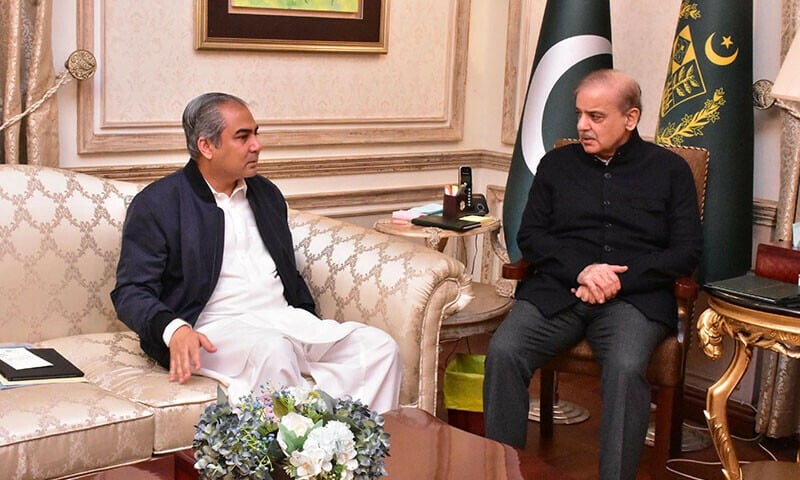
The historical context is telling. Previous administrations in KP, such as that led by Dabang Khan, demonstrated more clarity and pragmatism regarding the province’s resources and coordination with the federal government. Today, however, political maneuvering overshadows national security priorities. Pakistan must remain vigilant, ensuring that any developments, whether from international reactions or domestic political inaction, do not compromise its strategic position. Meetings with foreign diplomats, such as U.S. Ambassador Sohail Afridi, are indicative of the high stakes involved, emphasising that international engagement is always coupled with expectations of actionable results.
Amir Khan Muttaqi’s recent statements make clear that the Taliban do not recognise Pakistan’s right to influence their foreign policy and are not responsible for terrorism emanating from Afghan soil. In this context, cross-border terrorist attacks and international demonstrations are being used as tools of pressure, supported by certain political factions within Pakistan, including PTI. The Afghan media has highlighted that Muttaqi’s positions enjoy widespread backing from multiple groups in Afghanistan, while the federal-provincial coordination within Pakistan on Afghan immigrants and security remains inadequate.
The culmination of this complex scenario is reflected in the recent interviews of Imran Khan’s sisters with Indian media, in which they spoke against Pakistan and attempted to malign the Field Marshal. This, according to analysts, is part of a broader strategy to undermine Pakistan’s stability. Yet, despite these challenges, the Pakistani state remains alert and prepared to respond effectively.
Pakistan’s position, therefore, requires a robust, coordinated approach that balances internal political management, cross-border security, and international diplomacy. The growing threat from Afghanistan, coupled with political complicity, underscores the urgency for decisive action. Only by maintaining vigilance and prioritising national interest over partisan politics can Pakistan safeguard its security and regional stability.