
The recent media briefing by Lieutenant General Ahmed Sharif Chaudhry, Director General of ISPR, highlighted a deeply concerning phenomenon: the rise of a coordinated anti-state narrative that threatens Pakistan’s internal stability and national security. What makes this situation unprecedented is not only the audacity of the individuals involved but also the clear facilitation of their campaign by external actors.
Pakistan’s armed forces, under the leadership of the Chief of Defence Forces, have long been at the forefront of safeguarding the country’s integrity. The formal launch of the CDF headquarters represents a critical institutional milestone, ensuring a unified command structure and a strategic approach to emerging threats. Yet, as the DG warned, internal political actors, especially a mentally retarded one who is in jail, have compounded the challenge by deliberately undermining the Army’s authority and encouraging a climate of division.
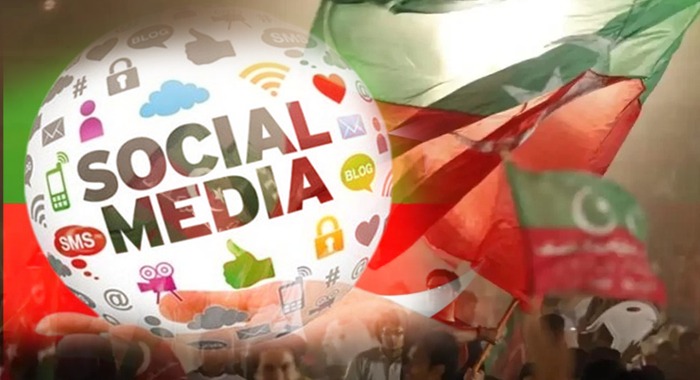
This orchestrated narrative is neither spontaneous nor isolated. It originates from within the country, but its amplification relies heavily on external platforms and foreign media, particularly from India and Afghanistan. Tweets and social media messaging, initially crafted to misrepresent facts about military operations or intelligence actions, are systematically promoted abroad, creating the perception of instability while eroding public trust in national institutions. The DG’s briefing underscored that such amplification is deliberate, coordinated, and strategically timed—a methodical attack on Pakistan’s cohesion.
The consequences of this anti-state campaign are not abstract. It coincides with calls from political figures to negotiate with terrorist actors, even as intelligence-based operations continue to neutralize threats in volatile regions such as Khyber Pakhtunkhwa. Attempts to politicize counterterrorism measures risk creating governance gaps, which are increasingly exploited by criminal and militant networks. DG ISPR highlighted the presence of a narco-politico-terror nexus in KP’s Tirah Valley, reinforcing the urgency of maintaining a unified national front against both internal and external threats.
Critically, this is not a mere clash of opinions or political debate. The narrative being propagated seeks to delegitimise Pakistan’s armed forces, discredit military leadership, and embolden actors who wish to destabilize the country. The targeting of national symbols, orchestrated disinformation campaigns, and repeated attempts to manipulate public perception all point to a strategic objective: weakening the state from within while inviting external intervention.
For Pakistan, the lesson is clear. National security is inseparable from political discipline and societal unity. While the Army remains apolitical and committed to the country’s protection, politicians and citizens alike must recognise the dangers of a narrative that prioritises individual ambition over collective security. The coordination between internal dissenters and foreign facilitators exposes the risks of allowing personal or partisan agendas to supersede the interests of the state.
Ultimately, the DG ISPR’s warnings are a call to action. They remind Pakistanis that safeguarding the country is not only the responsibility of the armed forces but of every citizen who values stability, sovereignty, and the rule of law. Disinformation, external amplification, and anti-state propaganda are challenges that cannot be ignored—they demand clarity, unity, and decisive political will. Without this, the nation risks letting manufactured narratives dictate the future of its security and cohesion.



