
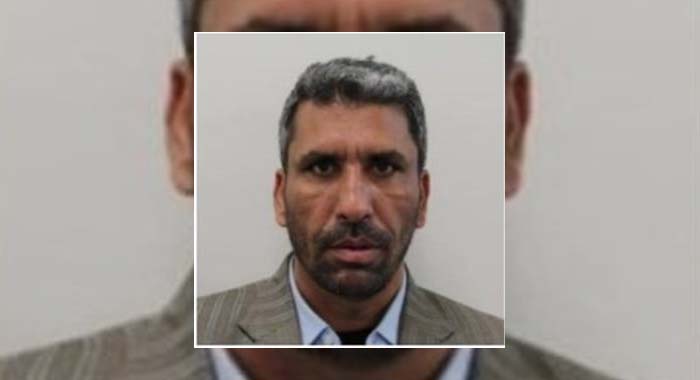
U.S. Immigration and Customs Enforcement (ICE) officers have arrested Jaan Shah Safi, an Afghan national allegedly linked to the Islamic State of Iraq and Syria–Khorasan (ISIS-K), just miles from the nation’s capital, the Department of Homeland Security (DHS) confirmed in an official statement on Wednesday.
According to DHS, Safi entered the United States without undergoing full vetting and is accused of providing support to ISIS-K. He allegedly supplied weapons to his father, described as a militia commander operating in Afghanistan. Officials emphasized that the circumstances surrounding Safi’s entry into the U.S. underscore ongoing challenges related to the processing and screening of Afghan nationals admitted during the Biden administration.
“The entry of individuals who have not been fully vetted creates a serious national security risk,” a DHS spokesperson said. “Investigations into these matters are ongoing, and steps continue to ensure that potential threats are identified and addressed.”
The arrest highlights lingering concerns about national security measures and vetting processes for Afghan arrivals in the United States following the mass evacuations in 2021. Tens of thousands of Afghans were admitted into the country under special humanitarian programs after the U.S. withdrawal from Afghanistan, and DHS officials acknowledged that gaps in screening during that period continue to pose challenges.
Safi’s arrest comes as federal authorities continue a broader effort to monitor and disrupt potential extremist activities on U.S. soil. While no further charges have been announced, the DHS statement noted that the investigation remains active and additional details will be released as appropriate. Law enforcement agencies have urged the public to remain vigilant and report any suspicious activity, reiterating that protecting the homeland requires sustained vigilance and inter-agency coordination.
This development reinforces the importance of robust security screening and intelligence sharing to prevent extremist networks from exploiting gaps in immigration and refugee processes, ensuring that the United States can respond effectively to emerging threats.



