
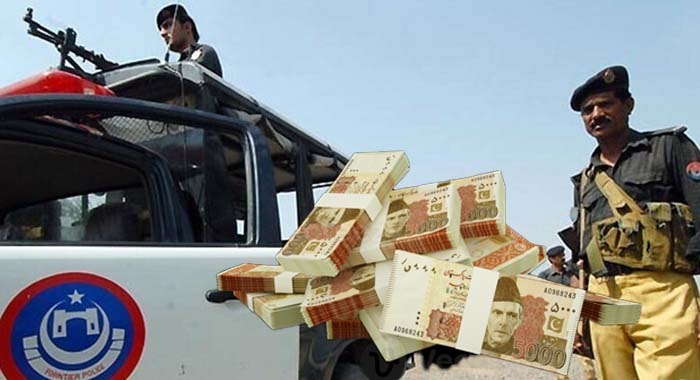
Khyber Pakhtunkhwa continues to rely heavily on funds provided by the centre even after 12 years of PTI governance, with basic service delivery, policing, and anti-terror measures showing little improvement. Official records indicate that the province has received nearly Rs 700 billion under the anti-terrorism fund from 2010 to 2025. Yet, militancy remains a persistent threat, and security infrastructure and capacity remain insufficient to effectively counter it.
Government documents reveal that KP is among the most federally dependent provinces in Pakistan. For the fiscal year 2025‑26, the province’s total estimated revenue is Rs 2,119 billion, of which 94 percent (Rs 1,990 billion) will come directly from the federal government. The province’s own resources amount to only Rs 129 billion, barely 6 percent of the total.
Official sources indicate that aside from the National Finance Commission (NFC) allocations, KP receives 1 percent of federal divisible revenues earmarked for anti-terror operations. Despite this substantial financial support over 15 years, there is no comprehensive audit or transparent record detailing how these funds were spent. Analysts and civil society groups question whether the money has translated into improved policing, strengthened counter-terror capacity, or rehabilitation of conflict-affected areas.
Provincial revenue has grown from Rs 64 billion last year to Rs 129 billion this year, with a 10 percent growth target set for the next fiscal year. However, key indicators highlight persistent shortcomings: literacy stands at 55 percent, routine vaccination coverage at 71 percent, access to clean water at 82 percent, and hospital bed availability is limited to 0.5 per thousand population.
Despite the funds, security analysts note that the province continues to face repeated militant attacks, including the recent IED assault on a police van in Dera Ismail Khan, which killed three officers. The incident underscores the persistent risks facing law enforcement and raises questions about the effectiveness of both spending and resource allocation in improving frontline capacities.
Observers stress that without full accountability, transparent audits, and targeted deployment of resources, financial inflows alone cannot enhance public safety or counter-terror effectiveness. They argue that KP’s leadership must focus on concrete improvements in policing, public services, and anti-terror operations, rather than using federal allocations for political optics or administrative theatrics.



