
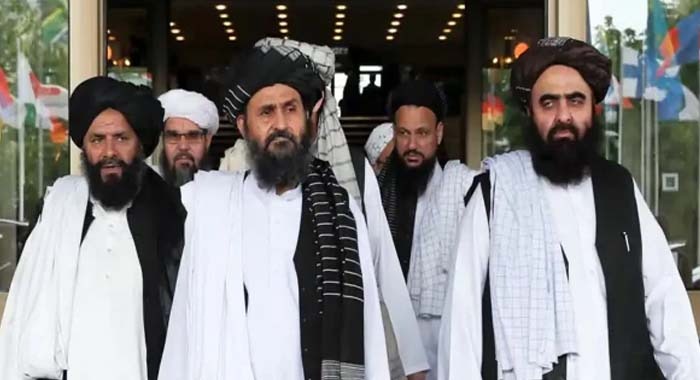
The Afghan Taliban regime has emerged as a significant threat not only to Central Asia but to international security, becoming a hub for globally banned terrorist organisations including Fitna al-Khawarij, Fitna al-Hindustan, ISIS, and Al-Qaeda.
On November 26, 2025, a shooting incident occurred at the White House in the United States, reportedly carried out by Afghan national Rahmanullah Lakanwal, resulting in the deaths of two National Guards. The suspect had previously been linked to intelligence activities in Afghanistan and maintained ongoing contacts with extremist networks in the region.
In a separate incident, an Afghan citizen, Jamal Wali, opened fire on police officers in Virginia, injuring two. U.S. Homeland Security authorities noted that several Afghan nationals had previously been involved in various crimes, but were granted legal status under U.S. administration policies.
Afghan nationals have also been implicated in several planned terrorist attacks: Abdullah Haji Zada and Nasir Ahmad Tohidi were arrested in 2024 for plotting attacks on election day, while Muhammad Khruwin, on a terrorism watchlist, was detained the same year. In 2025, Javed Ahmadi was apprehended and convicted for a second-degree attack, and Bahralah Nuri and Zabihullah Mehmund were arrested for criminal activities and other violent crimes.
The cross-border implications of Afghan-based terror networks are evident. On November 27, 2025, a drone strike originating from Afghan territory killed three Chinese workers in Tajikistan. On December 1, Tajik authorities confirmed two additional Chinese casualties in attacks from across the border. Attacks by Afghan nationals have now extended to Central Asia, Europe, and the United States.
International human rights observers and security analysts have repeatedly expressed concern over the Taliban regime’s support for terrorist elements. Reports indicate that terror attacks and arrests in Pakistan this year have been linked to Afghan-based actors.
Since the Taliban’s return to power in August 2021, extremist networks in northern and eastern Afghanistan have consolidated their presence. Regional monitoring and international security assessments continue to warn that Afghanistan remains a destabilising factor for global peace.
Recent threats, including social media warnings by Afghan nationals regarding bomb attacks in Texas, have further underscored the growing capabilities and reach of these networks. Global nations, including Iran, Germany, and others, have begun deporting Afghan extremists due to escalating security concerns. Afghan extremist ideologies and networks operating abroad now constitute a serious risk to international stability and peace.



