
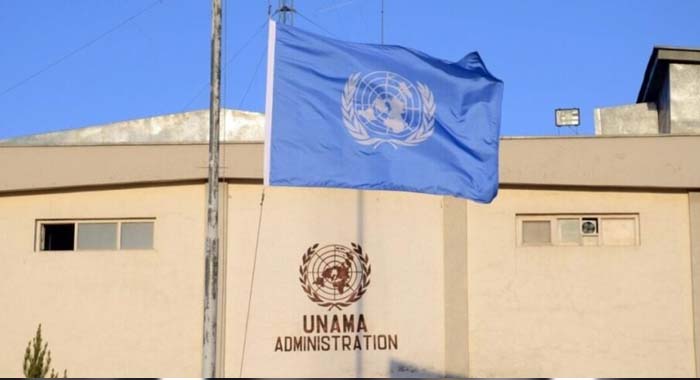
In a brazen assertion of control over humanitarian operations, the Taliban governor of northern Faryab province, Abdul Ahad Fazli, has reportedly confiscated property belonging to the United Nations Assistance Mission in Afghanistan (UNAMA) as the mission attempted to close its local office, local sources told Amu on Wednesday. The seizure underscores the regime’s growing disregard for international norms and its relentless clampdown on aid work in the country.
UNAMA had planned to shut its Faryab field office by the end of the year due to budget constraints, transferring essential equipment and supplies to its office in neighboring Balkh province. When UN staff attempted the relocation on Monday, Fazli allegedly blocked the transfer and seized the items, preventing the lawful movement of humanitarian resources.
Neither UNAMA nor the Taliban has issued public statements regarding the incident. Local sources described the confiscation as part of an intensifying pattern of intimidation by the Taliban, which has steadily tightened its grip over international and domestic humanitarian actors.
The Faryab seizure is symptomatic of broader operational constraints imposed by the Taliban across Afghanistan. Humanitarian organizations report strict oversight of staff movements, restrictions on program implementation, and the systematic exclusion of Afghan women from aid roles. These measures not only obstruct aid delivery but also deepen the suffering of millions of Afghans facing food insecurity, displacement, and health crises.
Experts warn that the Taliban’s actions are a deliberate strategy to consolidate power, manipulate aid for political leverage, and project authority both domestically and internationally. By confiscating UN property, the regime sends a chilling message to aid agencies and the international community: humanitarian operations are subordinate to Taliban control, and any attempt to act independently may be met with retaliation.
The incident highlights the urgent need for global attention and accountability. Afghanistan, already crippled by decades of conflict, now faces compounded crises under a regime that prioritizes authoritarian control over the welfare of its people. The international community must closely monitor Taliban interference in aid operations and take measures to ensure humanitarian support continues to reach the country’s most vulnerable populations.
The seizure of UNAMA property in Faryab serves as a stark reminder: under Taliban rule, Afghanistan has become a country where authoritarianism dictates humanitarian access, silences dissent, and endangers the basic survival of millions.



