
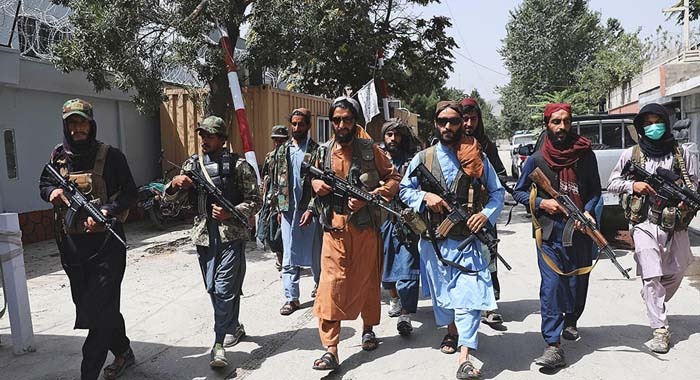
Afghanistan has disappeared from global headlines, but the consequences of this neglect are catastrophic. In late September 2025, the country descended into digital darkness as a nationwide internet blackout severed the population from the world. Social media, international communications, and even flight coordination collapsed overnight, isolating millions. Yet, Western media barely took notice, leaving Afghanistan’s escalating crisis to fester unseen.
Four years after the Taliban’s return to power, Afghanistan has become a shadow state, a breeding ground for extremists and a graveyard of human rights. Reporters Without Borders ranks the country 175 out of 180 in its 2025 World Press Freedom Index, citing the closure of independent outlets, arrests, torture, and enforced self-censorship. Taliban minders control newsrooms, dictate content, and silence dissenting voices, while female journalists have been entirely removed from the profession. International correspondents face severe restrictions, perpetuating a cycle of opacity and misinformation.
Meanwhile, Afghanistan’s territory has become a launchpad for terrorism. ISIS-K has escalated attacks, claiming dozens of lives in 2025 alone, while al-Qaeda quietly rebuilds under Taliban protection, re-establishing training camps in the east and planning attacks abroad. The Taliban’s refusal or inability to rein in these groups turns Afghanistan into a global security threat.
This danger is not hypothetical. In October 2025, the deadliest clashes between Taliban forces and the Pakistani military since 2021 erupted after Pakistani airstrikes targeted TTP sanctuaries in eastern Afghanistan. Dozens were killed on both sides, critical border crossings were shut, and Pakistan experienced a surge in TTP attacks, including a suicide bombing in Islamabad that killed twelve. The Taliban regime continues to provide safe haven to militants, emboldened by the world’s indifference.
Afghanistan’s humanitarian crisis is equally dire. Nearly half the population faces acute food insecurity, while women, intellectuals, and independent journalists are systematically marginalized. Humanitarian aid flows through opaque channels, enabling the Taliban to consolidate power while the population suffers under a repressive regime.
The world cannot afford to ignore Afghanistan. The Taliban has transformed the country into a fortress of oppression and extremism. Without sustained international scrutiny, the regime will continue to defy its neighbors, harbor terrorists, and crush dissent. Ignoring Afghanistan does not neutralize the threat; it allows extremism to metastasize unchecked, imperiling not only the Afghan people but regional stability and global security.
It is time for the international community and media organizations to confront the reality: Afghanistan under the Taliban is not a nation at peace it is a hub of terror, repression, and humanitarian catastrophe demanding urgent attention.



