
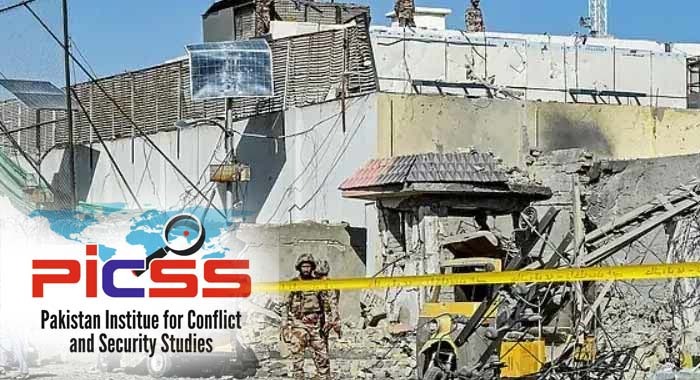
Pakistan witnessed a significant rise in terrorist incidents in November, with militants increasingly targeting civilians as part of a shift in their operational strategy, according to a detailed report by the Pakistan Institute for Conflict and Security Studies (PICSS). The report highlights the changing tactics of terrorist groups, particularly Fitna al-Khawarij and Fitna al-Hindustan, who are now focusing on softer, more vulnerable targets.
During November, Pakistan recorded 97 terrorism-related incidents, representing a nearly 9 percent increase compared to October, which saw 89 incidents. Alarmingly, civilian casualties surged sharply, with 54 ordinary citizens killed an 80 percent increase from October, when 30 civilians lost their lives. Analysts attribute this trend to militants deliberately targeting accessible “soft” targets, reflecting an evolution in their operational approach.
The human cost extended to security personnel as well. Twenty-five security force members and seven members of local peace committees were killed in terrorist attacks in November, while 83 security personnel, 67 civilians, and four peace committee members sustained injuries across the country. The report underscores that militants are increasingly brazen in their assaults, employing strategies that maximize both physical and psychological impact on communities.
In response, Pakistan’s security forces intensified counter-terrorism operations. November proved to be one of the deadliest months for militant groups, with 206 terrorists killed in targeted operations. Major operations were conducted in southern districts of Khyber Pakhtunkhwa and the former tribal areas (FATA), where 137 and 58 militants were neutralized, respectively. These operations demonstrate the sustained capability and resolve of the country’s security apparatus in combating militancy.
The report also highlights a worrying rise in suicide attacks. Four such attacks were recorded in November, a marked increase from a single incident in October. The attacks occurred in Islamabad, Khyber Pakhtunkhwa, Balochistan, and the former FATA, underscoring the nationwide reach and adaptability of militant networks.
From a yearly perspective, the PICSS report notes that 2025 has been the most challenging year for militants since 2015. Between January and November 2025, 1,940 terrorists were killed nationwide, reflecting the cumulative impact of ongoing counter-terrorism campaigns.
The PICS findings emphasize the urgent need for continued vigilance and coordination between local communities and security agencies. While militants are increasingly targeting civilians, the report concludes that the combination of proactive security operations and community engagement remains essential in minimizing casualties and dismantling terrorist networks.
The report serves as a stark reminder of the evolving threat landscape in Pakistan and the enduring resilience of its security forces in protecting the nation from terrorism.



