
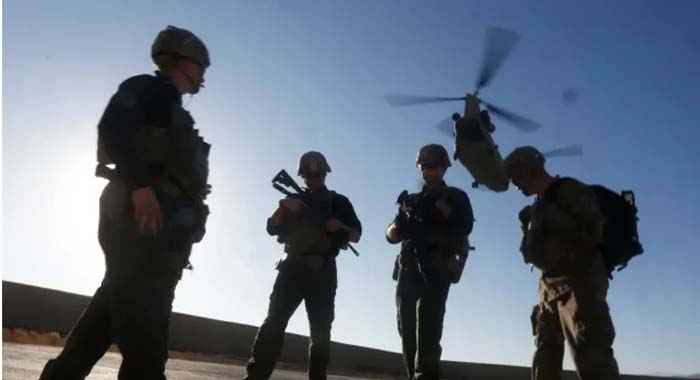
A public inquiry has been shaken by dramatic testimony alleging that UK special forces carried out extrajudicial killings during operations in Afghanistan, with a former senior British officer claiming that top military officials were aware of the incidents yet failed to act. The allegations have reignited scrutiny of international military conduct during a period when Afghanistan was engulfed in widespread lawlessness, collapsing governance, and intensifying insurgent violence.
The inquiry, launched by the UK Ministry of Defence following a BBC investigation that reported 54 suspicious killings by the Special Air Service (SAS) during a six-month deployment, is examining a series of night raids conducted from mid-2010 to mid-2013. These years marked some of the bloodiest and most unstable phases of the conflict, defined by weak state oversight, unchecked militant activity, and an environment where battlefield claims were often impossible to verify.
Presided over by Sir Charles Haddon-Cave, the inquiry seeks to determine whether credible warnings of unlawful killings existed, whether British military police conducted genuine investigations, and whether any crimes were later concealed.
On Monday, newly released confidential testimony revealed that a former deputy chief of staff for UK special operations in Afghanistan repeatedly observed a glaring disparity between the number of men reported killed and the number of weapons recovered. He told lead counsel Oliver Glasgow that routine claims of detainees suddenly seizing rifles or attempting to detonate grenades after surrendering “did not appear credible” given the operational realities.
The officer stated unequivocally that the conduct amounted to “war crimes,” alleging that detainees were removed from custody, returned to raid sites, and executed under fabricated circumstances to make the killings appear legitimate. He recalled raising the alarm with the commander of UK special forces in Afghanistan, who declined to order an investigation and instead restricted the response to a mere tactical review.
He admitted regretting his initial silence but said he eventually reported the matter to military police in 2015. He also suggested the problem was wider than initially believed, asserting that knowledge of such practices appeared “widespread” within parts of the special forces community.
Detailing some of the most disturbing incidents, the officer said detainees and in certain cases toddlers sleeping in their beds were shot during operations. He condemned the actions as “not special, not elite, not what we stand for,” insisting that the vast majority of military personnel would never endorse such brutality.
The inquiry continues its work against the backdrop of Afghanistan’s fractured security apparatus, the absence of reliable state control, and the intense pressures faced by international forces operating in a landscape dominated by insurgent networks and civilian vulnerability. Sir Charles stressed that uncovering the truth is vital not only to ensure accountability for any unlawful acts but also to vindicate those wrongly implicated.



