
Balochistan is witnessing a decisive shift, not due to any state narrative, but because the people have seen what the BLA also known as Fitna al-Hindustan, its Majid Brigade, and the rest of the terrorist outfits in the region truly represent. The carefully constructed illusion of a political insurgency has collapsed under the weight of undeniable evidence. What remains is a violent, foreign-backed network that exploits women, children, families, and tribal honour for an agenda that serves external interests, not Baloch rights.
Across Awaran, Kech, Chagai, Panjgur, Bugti territory, and the Lango tribal areas, communities long portrayed as sympathetic to armed groups have begun confronting them openly. Their resistance is not ideological. It is human. They acted only after witnessing atrocities, internal brutality, coercion, and the destruction of Baloch traditions in the name of a cause that was never theirs.
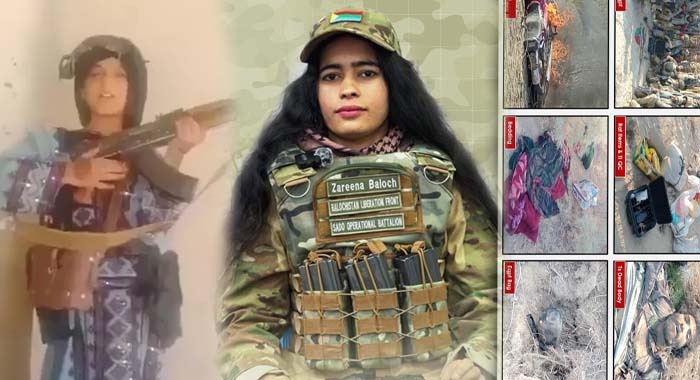
Recent events have exposed this reality clearly. The attack on the FC Headquarters in Nokkundi, where BLA used a woman as a suicide attacker, shattered the last pretence of cultural legitimacy. Her remains scattered on the road were not just evidence of an attack—they were evidence of a complete collapse of the values and honour the BLA claims to defend. Human rights activists and international observers, who often highlight Baloch culture, remained silent, exposing a double standard.
Former operatives and commanders have further confirmed the BLA’s true nature. The testimonies of Sufyan Kurd, Usman Qazi, Zubair Baloch, and Gulzar Imam Shambay of the banned Balochistan National Army (BNA) confirm that these groups function as foreign-sponsored violent networks, not political movements. They weaponize children, intimidate families, coerce women, and target schools, clinics, roads, and development projects. Their operations rely on fear, not popular support.
The People Are Rejecting the Terrorists
The clearest proof of the BLA’s collapse is the visible shift among Baloch communities. Tribal groups; including Bugti, Rind, Marri, Mengal, and Lango, have publicly denounced militant actions. They have formed armed community fronts, passed collective resolutions, and refused sanctuary to anti-state actors. These measures were not imposed—they emerged from witnessing youth abductions, attacks on elders, threats against women, and a growing realisation that the militants’ agenda serves foreign destabilisation, not Baloch interests.
In Awaran and Kech, families now warn children against recruiters. In Panjgur and Turbat, tribes have barred anti-state groups from hiding among them. In Mastung, communities refused safe passage to militants, even under threat. These are not isolated pockets. They mark a province reclaiming its future from manipulation and fear.
The BLA’s strategy has always depended on the illusion of a representative struggle. But no movement survives once its people reject it. That is what is happening now. Exposure, not propaganda, is dismantling their narrative.
Foreign Backing and a Manufactured Agenda
The BLA’s operational record confirms a clear pattern. Its Majid Brigade specialises in suicide attacks. Media wings sustain disinformation campaigns. Ground operatives rely on intimidation and extortion. And foreign patrons use Afghan territory and offshore networks to destabilise Pakistan.
Every attack on CPEC infrastructure, Chinese nationals, border fencing, coal miners, teachers, and polio teams points to a single strategic purpose: destabilise Pakistan, isolate Balochistan, and create unrest that weakens both the province and the state. No movement that targets development, health, or education represents the people—it represents whoever profits from chaos.
Why This Moment Matters
A turning point has arrived because the identity and intent of these groups are now fully exposed. Exploitation of youth, coercion of women, intimidation of families, and reliance on foreign agendas have stripped the BLA of any legitimacy it once claimed.
What emerges across the province is a new dynamic:
Tribal resistance across Bugti, Rind, Marri, Mengal, and Lango areas
Youth disillusionment with militant propaganda
Exposure of foreign backing and agendas
Testimonies from surrendered operatives and BNA ex-commanders
Increased community cooperation with law enforcement
Public demand for development and normalcy
The people of Balochistan are no longer asking what the militants want. They are demanding why their lives and traditions were ever sacrificed for a foreign agenda.
The BLA’s narrative is collapsing because truth has proven stronger than slogans. When communities stand, no foreign-sponsored militant network can survive behind the mask of liberation.



