
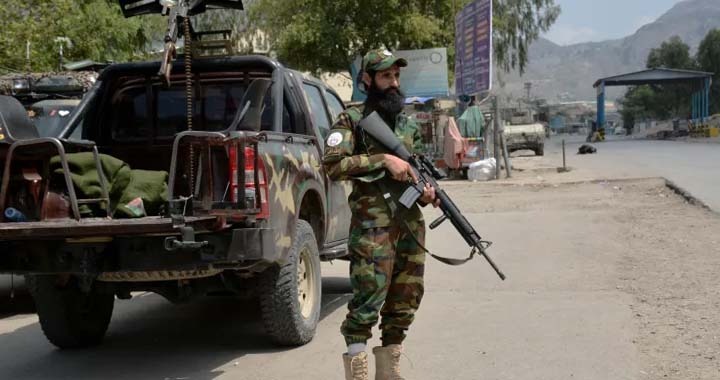
Afghan Taliban intelligence agents have detained five former Afghan soldiers from Panjshir province shortly after their deportation from Iran, local sources reported, highlighting an ongoing campaign of targeted arrests against ex-security personnel under the Taliban’s rule.
The men—identified as Shir Mullah, Gulbuddin, Aleem, Jan Mohammad, and Sulaiman were apprehended while travelling from Kabul to Panjshir. All five hail from Shatal district in Panjshir and previously served in various capacities within the former Afghan government’s security apparatus. According to sources, they had gone to Iran following the Taliban’s return to power, seeking employment and to avoid retaliation. The current location and condition of the detained men remain unknown. The Taliban have not issued any public statement regarding the arrests.
Local sources indicate that these detentions are part of a broader and systematic pattern of targeted harassment, arbitrary arrests, and extrajudicial measures against former Afghan National Defense and Security Forces (ANDSF) personnel. Former soldiers are often accused by the Taliban of possessing weapons or supporting resistance groups such as the National Resistance Front (NRF) or the Afghanistan Freedom Front (AFF).
Reports of similar incidents have emerged from other provinces, including central Daykundi, where returning ex-soldiers are frequently detained upon crossing the border from Iran. In many cases, they are forced to surrender personal weapons or pay fines to secure their release. A resident of Miramur district reported that his brother, a former soldier deported from Iran, was held for three days and released only after paying 58,000 Afghanis (approximately $850) despite not possessing any weapons.
Eyewitness accounts from Panjshir suggest that such practices extend beyond ex-soldiers to include family members and associates, reflecting a broader campaign of intimidation aimed at suppressing dissent and consolidating Taliban control.
Human rights organizations, including the United Nations, have repeatedly criticized the Taliban for enforced disappearances, revenge killings, and other violations targeting former government personnel. Experts warn that these practices are not isolated incidents but part of a systematic policy undermining basic human rights and rule of law in Afghanistan.
Observers say the Taliban’s ongoing persecution of former security forces signals a dangerous disregard for accountability and legal norms, further eroding trust in the regime both domestically and internationally. Analysts caution that such actions exacerbate instability in Afghanistan and increase the risk of renewed insurgency and regional security threats.
The international community continues to call on the Taliban to respect the safety and fundamental rights of all Afghan citizens, including former security personnel, and to cease reprisals that violate international human rights standards.



