
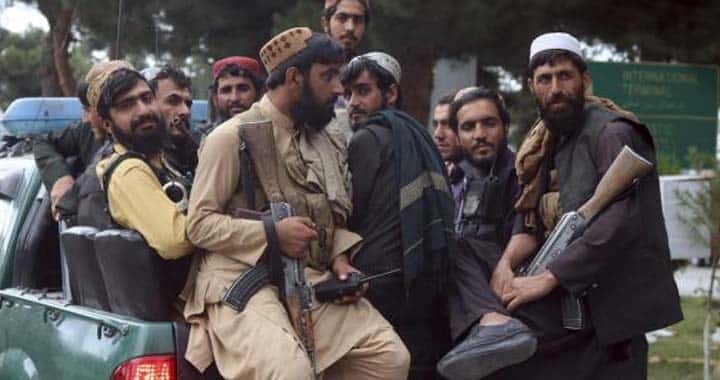
United Nations, September 2025: A United Nations report presented to the Security Council has highlighted a 9 percent increase in security and safety incidents across Afghanistan between May and July this year compared to the same period in 2024, underscoring the country’s fragile stability nearly four years after the Taliban takeover.
According to the findings, 2,658 incidents were recorded during the three-month reporting period. Armed opposition groups, including the Afghanistan Freedom Front and the National Resistance Front, claimed responsibility for 47 incidents, of which only 19 could be independently verified. The UN emphasized that these groups did not pose any significant challenge to the Taliban’s control of the country.
The report noted a decline in the scale and frequency of attacks by the Islamic State in Iraq and the Levant – Khorasan (ISIL-K), though the group continued to mount high-profile operations. Taliban intelligence forces carried out counterterrorism raids in Kabul, Kunar and Nangarhar in June and July, killing several ISIL-K operatives. Despite this, the group was implicated in a number of violent attacks, including the June 14 killing and reported beheading of a Shiite mosque imam in Badakhshan, where assailants left behind an ISIL-K flag.
Cross-border tensions with Pakistan also remained a source of instability. The UN documented 14 incidents involving Taliban and Pakistani security forces, ranging from armed clashes to artillery exchanges in Khost, Kunar, Nangarhar and Paktika provinces. In Helmand, fighting near the Bahram Chah crossing displaced nearly 50 families. Pakistani authorities also reported killing several Tehrik-e-Taliban Pakistan (TTP) members during operations along the frontier in July.
The report further highlighted threats to UN personnel inside Afghanistan, with 57 security-related incidents directly affecting staff members during the period under review. In May, dozens of Afghan women employed by the UN received death threats from unidentified actors. Taliban authorities denied involvement, but no perpetrators have been identified to date.
The UN assessment concludes that while ISIL-K remains a persistent threat, resistance groups continue to lack capacity to mount effective operations, and unresolved border tensions add to regional volatility. The findings, presented to the Security Council, underline the enduring uncertainty surrounding Afghanistan’s security landscape as humanitarian and political crises deepen.



