
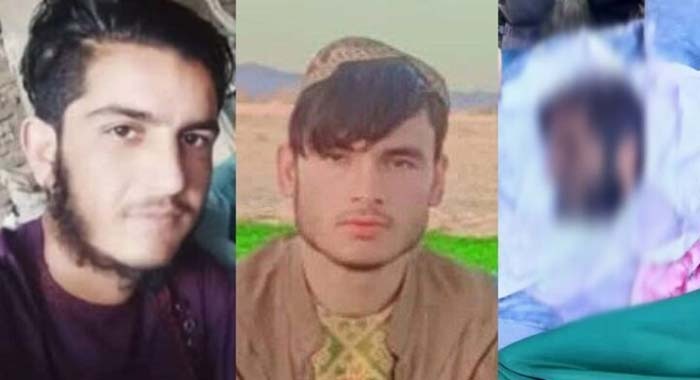
At least twelve Afghan citizens were killed after Iranian border guards opened fire on a group attempting to cross into Iran irregularly, local sources from Farah province confirmed on Sunday. The incident occurred in the “78-Mile” border region, a hotspot for frequent clashes, dangerous smuggling routes, and recurring reports of violence against Afghan migrants seeking entry into Iran.
According to local accounts, a group of 35 Afghans was moving toward the border when Iranian guards allegedly opened heavy fire without warning. Twelve bodies have been recovered so far and transferred to the provincial hospital in Farah. The condition and whereabouts of the remaining individuals remain unknown, raising fears that the death toll may rise.
Medical officials in Farah confirmed receiving the bodies but said the identification process is ongoing. Families in the province have begun approaching the hospital in hopes of locating missing relatives or receiving confirmation about the fate of those who attempted the crossing.
Taliban authorities in Farah have not yet issued a statement regarding the incident, though residents say the scale of the casualties demands an official response and coordinated efforts to determine the fate of the missing.
This latest tragedy underscores a growing pattern of deadly encounters along the Afghanistan–Iran border. Reports of Iranian border guards firing on Afghan nationals attempting to cross through irregular routes have increased in recent months, particularly after Iran suspended visa services for Afghan citizens. With legal entry routes severely restricted, thousands of Afghans including laborers, families, and individuals fleeing economic hardship—have turned to smugglers and unregulated paths, exposing themselves to grave risks.
Local residents and human rights observers note that the heavily militarized border zone has long been marked by violence, harsh expulsions, and repeated claims of excessive force by Iranian security personnel. Despite mounting evidence, accountability mechanisms remain limited, and families of victims often struggle to secure information, justice, or repatriation of bodies.
At the same time, provincial officials in Afghanistan have reported an uptick in arrests targeting smuggling networks. Over recent months, Taliban authorities claim to have detained hundreds attempting to reach Iran through illegal routes, highlighting both the scale of irregular migration and the desperation driving Afghans to risk the perilous journey.
As investigations continue, local communities in Farah are calling for immediate clarification from authorities, diplomatic engagement to prevent further loss of life, and humane treatment for Afghans seeking to cross borders amid the country’s ongoing economic and humanitarian challenges.



