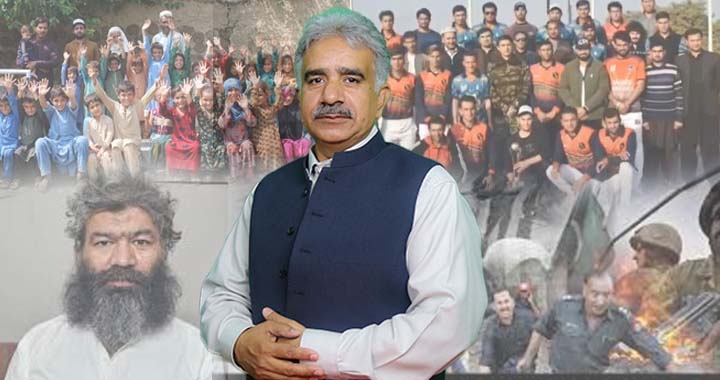
Zahir Shah Shirazi
The youth of Pakistan constitute a significant portion of the population, and yet a recurring tragedy in the tribal areas of North and South Waziristan is their exploitation by terrorist organisations. It is not that these young people are inherently easy targets; the reality is far more complex. Tribal areas have long suffered from governance gaps. Administrative structures are either weak or absent, leaving these regions effectively ungoverned for decades. Since Pakistan’s formation, systematic governance and educational infrastructure in these areas have been inadequate, creating fertile ground for exploitation.
Poverty, unemployment, and the absence of viable employment avenues are critical factors. For generations, the tribal youth have had no access to factories, industries, or healthy extracurricular activities. In such conditions, militant organisations step in, offering a mix of religious motivation, coercion, and monetary incentives. During the peak of militancy, a youth could earn $500 a month, a sum far higher than conventional local opportunities. This is not mere inducement but a structural failure in providing meaningful engagement for the next generation.
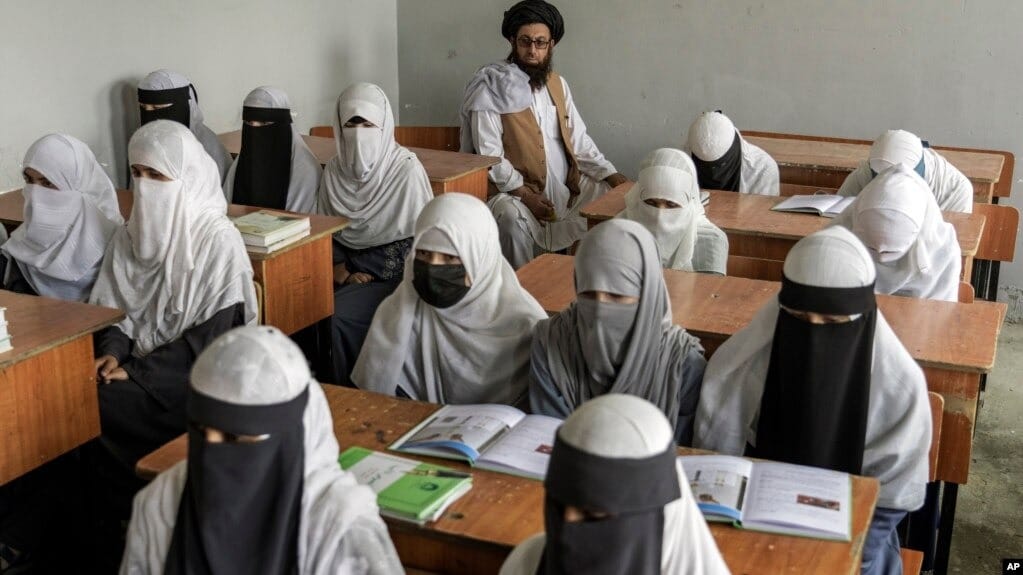
Geography plays a crucial role. The tribal belt, bordering Afghanistan, has historically been a hub for cross-border trade, smuggling, and trafficking. Regions like Khyber district, Rajgal, Tirah, Bajaur, and Mohmand have been used by extremists to transport drugs, arms, and manpower. When the state fails to establish robust governance and oversight, these areas become open avenues for militant exploitation. The targeting of educational institutions, particularly girls’ schools, by extremist factions has been a deliberate strategy to create societal vacuums. Between 2007 and 2017 alone, more than 1,600 schools were destroyed, systematically denying children the most powerful deterrent against radicalisation: education. Without schools, awareness, and governance, youth are left vulnerable to manipulation.
Employment, both conventional and militant, further compounds the problem. A student completing higher education, such as journalism, often finds minimal opportunities in their home region. Meanwhile, extremist groups offer not only money but a sense of purpose, social recognition, and, tragically, even the prospect of death as a reward for loyalty. Anecdotes abound: a university student in the tribal areas once tied a suicide belt over his head in the evenings while studying during the day, illustrating the fine line between youthful aspiration and militant indoctrination. This duality of survival and ideological manipulation is central to understanding the recruitment dynamics.
External influences amplify the issue. Historically, Afghanistan has been a theatre for global jihad, first against the Soviet Union and later against Al-Qaeda. The involvement of foreign armies and coalitions meant that tribal youth were often recruited or influenced early. Today, online radicalisation continues this trend. Militants no longer require physical proximity; social media, fake accounts, and online propaganda create a global network capable of targeting young minds directly. The arrest of ISKP spokesperson Sultan Aziz Azzam, a radio journalist turned recruiter, exemplifies how digital tools are harnessed for militant recruitment. Children in Orakzai, Mohmand, Bajaur, and other areas are as connected as urban youth, and their exposure to online extremist content is both unprecedented and potent.
The impact of radicalisation is not limited to religion or ideology. Nationalist or socio-political movements like PTM also tap into youth grievances, exploiting feelings of deprivation and resource denial. Historical mismanagement by the state, such as neglecting vocational skills, infrastructure, and employment opportunities, leaves youth susceptible to all forms of coercion—religious, political, and economic. Without concrete alternatives, the lure of extremist organisations becomes compelling.
Urban parallels reinforce this observation. Radicalisation is no longer confined to tribal areas. Cities like Karachi host individuals from these regions, often radicalised or recruited online, further demonstrating that the problem is structural rather than localised. The National Action Plan emphasised locating sympathisers and operators, but implementation has been inconsistent. Online propaganda, combined with socio-economic deprivation, creates a dual challenge: tribal youth remain vulnerable, and urban youth are increasingly exposed to extremist narratives.
Solutions must be multidimensional. Education is paramount; schools must be rebuilt, staffed, and maintained. Vocational training and skill development for tribal youth offer viable alternatives to militancy. Successful examples exist: more than 600 women from South Waziristan have received vocational training in embroidery, stitching, and arts, redirecting their energy towards productive endeavours. Technical skills, including mechanics, electronics, and IT, equip youth to earn livelihoods locally, reducing the temptation of militant offers. Employing local youth in mineral, infrastructure, and development projects reinforces community ownership and security responsibility. When the community safeguards its own youth, recruitment by extremists becomes increasingly difficult.
Policy must prioritise youth as a national resource. More than 60% of Pakistan’s population is young, and neglecting this demographic imperils the country’s future. Federal and provincial governments must allocate resources proportionate to population needs, ensuring adequate educational, vocational, and governance structures in the tribal areas. Model villages, clustered settlements, and targeted infrastructure projects are practical interventions to bring services closer to these remote populations.
The state’s responsibility is not merely preventive; it must be empowering. By providing employment, education, and vocational training, the government not only curtails radicalisation but also fosters intergenerational change. Youth, when integrated into community development, become stakeholders in their region’s security and prosperity. The future of North and South Waziristan, Bajaur, Mohmand, Orakzai, and other merged areas depends on proactive, long-term strategies that combine governance, education, vocational engagement, and community ownership.
In conclusion, the exploitation of tribal youth by terrorist organisations is not a sudden phenomenon but the result of decades of governance neglect, socio-economic deprivation, targeted attacks on education, and external influences. Addressing this challenge requires a holistic approach: reviving education, expanding vocational and technical skills, ensuring meaningful employment, and integrating youth into local and national development plans. Only through sustained engagement, structural investment, and community empowerment can Pakistan’s youth be shielded from the manipulative forces of extremism and become a foundation for national resilience.