(Irfan Khan)
The Tirah Valley, a historically strategic region in Pakistan’s Khyber Pakhtunkhwa province, is once again at the center of a storm that reflects not only the security challenges of the area but also the complexities of regional politics and humanitarian concerns. The recent announcement of a major security operation in Tirah has generated intense discussion, debates, and concerns among the local population, the provincial government, and international observers. As someone closely following the developments on the ground, it is crucial to analyze this situation not just as a matter of security enforcement, but as a multifaceted issue involving governance, humanitarian response, and geopolitical intricacies.
The Tirah Valley has long been a hotspot for militant activity. The region, with its rugged terrain and porous borders, has provided safe havens for various extremist groups, including factions of the Tehrik-i-Taliban Pakistan (TTP). Over the past several months, repeated attacks on security forces underscored the necessity for a sustained and strategic intervention. The local population, often caught between the militants and security operations, has borne the brunt of violence, disruption, and displacement.
In response, the government has formulated a plan for a comprehensive operation in Khyber, Tirah, set to begin on 10th January, with the evacuation of residents completed by 25th January. The plan involves temporary relocation of civilians, with humanitarian support in place, and compensation for property damage during the operation. While this approach seems practical on paper, it reflects a deeper and more complex negotiation between the state, militants, and local communities a negotiation that is both precarious and essential for long-term stability.
One of the most notable aspects of this operation is the involvement of the traditional tribal assembly, or Jirga. The Jirga, representing the local population, has given its consent to the evacuation plan and has agreed to cooperate with the district administration. This inclusion of local voices is critical, as the residents of Tirah are not passive observers but active stakeholders. They have consistently suffered from the consequences of militancy, including loss of life, property, and basic livelihoods.
During discussions with Jirga representatives, it became evident that negotiations with militant groups are fraught with difficulties. The TTP, particularly its factions, has often acted independently of other groups, complicating any consensus-based negotiation. A Jirga member explained that their efforts to engage all groups simultaneously were met with resistance, as certain factions refused to participate or agree to evacuation and peace measures. The only viable recommendation, therefore, was for civilians to vacate the area temporarily to ensure safety.
This decision, though difficult, underscores a painful reality: security operations, while disruptive, may often be the lesser evil compared to unregulated militancy. The Jirga’s intervention is a reminder that traditional governance mechanisms, when utilized effectively, can bridge the gap between state policy and local acceptance, reducing the risk of civilian casualties and fostering cooperation.
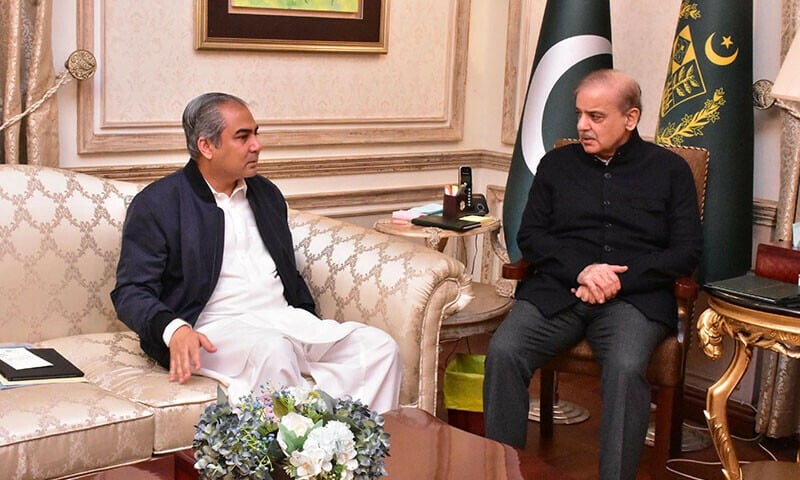
The provincial government, in consultation with the federal authorities, has committed significant resources to mitigate the hardships of displaced residents. Families affected by the operation will receive financial compensation: 300,000 rupees for fully destroyed homes and 100,000 rupees for partial damage. Additional support includes 50,000 to 100,000 rupees per month for the duration of the operation, as well as emergency funds for relocation needs, biometric registration, and medical expenses. Camps and temporary shelters have been prepared to house evacuees safely.
While these measures demonstrate the government’s awareness of its humanitarian responsibilities, they also highlight the inherent tension between security imperatives and human welfare. Evacuation, even under the most supportive circumstances, is a traumatic experience. Families must leave homes that may have been in their possession for generations, businesses and farms are abandoned, and community networks are disrupted. Financial compensation, while necessary, cannot fully replace the social and emotional losses incurred.
The delicate balancing act required here is indicative of the broader challenge faced by Pakistan: maintaining law and order in regions afflicted by militancy while safeguarding civilian rights and livelihoods.
Conflicting reports regarding the timeline of the operation have caused some confusion. While the operation is officially scheduled to begin on 10th January, with evacuation completed by 25th January, certain logistical challenges may push its full execution into April. This phased approach is practical, considering the need for meticulous planning, civilian relocation, and coordination among multiple government departments and security agencies.
Moreover, intelligence-based operations are likely ongoing in parallel, targeting specific militant hideouts and networks. These operations are designed to minimize collateral damage, prevent civilian casualties, and disrupt the organizational capabilities of the TTP. The operation in Tirah is therefore not just a tactical move but part of a broader strategy to restore state authority and stabilize the region over the long term.
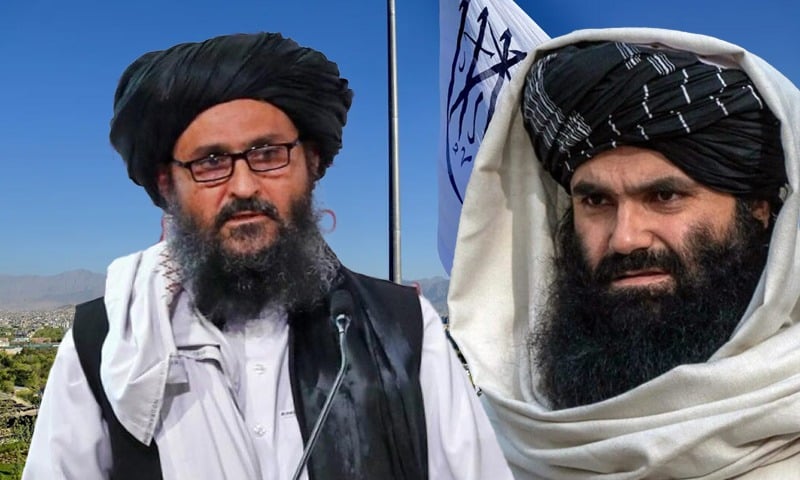
One cannot fully understand the Tirah operation without examining the internal divisions among militant factions, particularly within the TTP and its affiliates. The Afghan Taliban and local TTP factions have historically cooperated, but differences over leadership, funding, and territorial control have frequently created tensions. Reports suggest that factions such as the Haqqani Network and Jamaat-ul-Ahrar have internal disputes related to control over resources, leadership, and strategic priorities.
These divisions have real implications for the operation in Tirah. Militant infighting could either facilitate or complicate security interventions. For instance, isolated factions may be more vulnerable to state operations, while unified groups could resist more effectively, increasing the potential for civilian harm. Understanding these dynamics is critical for assessing both the short-term and long-term outcomes of security strategies in the region.
The Tirah Valley operation is not an isolated security issue—it exists within a broader regional context involving Afghanistan and international stakeholders. Reports indicate that high-ranking TTP leaders, including Mufti Noor-ul-Mehsood, operate from Kabul under the protection of the Afghan Taliban. Financial support, territorial control, and strategic coordination between these actors complicate the Pakistani government’s efforts to neutralize militant networks.
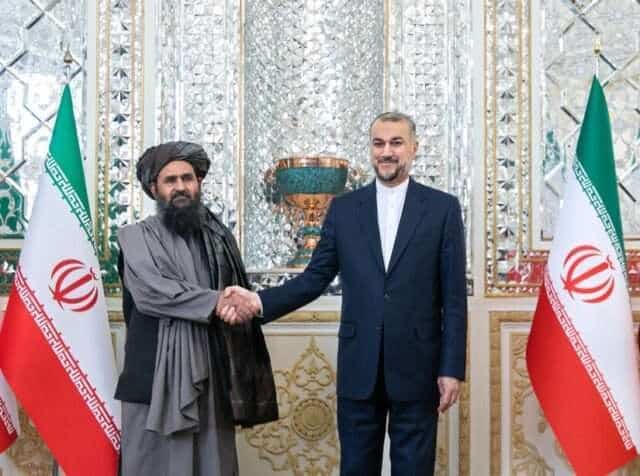
International dynamics further influence the situation. The United States, Russia, China, Iran, and Central Asian states are actively monitoring developments, emphasizing the regional significance of cross-border militancy. Pakistan, for its part, has sought to leverage diplomatic channels to ensure cooperation from Afghanistan in curbing TTP activities. However, the presence of entrenched militant networks, coupled with international political pressures, makes a lasting resolution extremely challenging.
While analysis of geopolitics and strategic operations is essential, it is equally important to remember the human cost. Videos and testimonies from Tirah residents reveal deep anxiety and fear. Elders plead with families to keep children away from militant recruitment, while ordinary citizens grapple with the prospect of leaving their homes for weeks or months. These are people who do not have the luxury of choice—they are compelled by circumstances beyond their control.
It is here that government planning must be meticulous. Beyond financial compensation, adequate healthcare, food security, and psychological support must be ensured for the displaced population. History shows that inadequate attention to civilian needs during security operations can lead to long-term social and economic disruption, resentment, and even further radicalization.
The question that remains is whether the Tirah operation will achieve lasting peace or merely be a temporary fix. The answer lies in the willingness of armed groups to disarm, the government’s capacity to maintain security, and the ability of regional actors to prevent cross-border militancy. Without a comprehensive strategy addressing all these aspects, any success achieved on the battlefield could be undermined by political, economic, or social instability.
International pressure is mounting, with countries such as Iran, China, and the United States emphasizing that militant groups cannot find safe havens. Pakistan must navigate this international scrutiny while simultaneously managing domestic realities—a delicate balancing act with little margin for error.
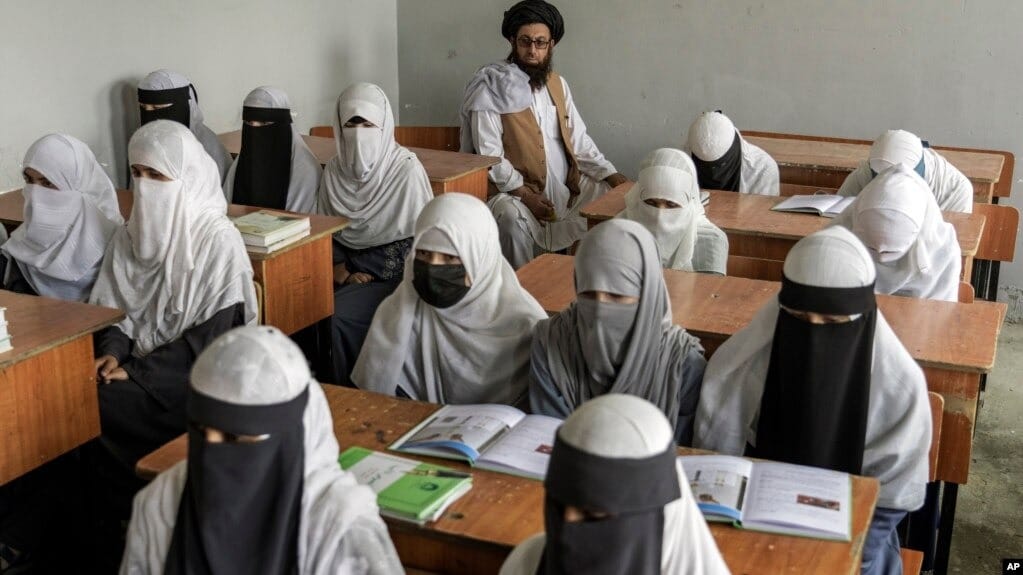
In the longer term, peace in Tirah and similar regions will require not just military operations but sustained efforts to provide education, economic opportunities, and inclusive governance. The lessons from previous interventions are clear: security without development and community engagement is rarely sustainable.
The situation in Tirah Valley exemplifies the complexity of modern security challenges, where military, humanitarian, and political dimensions are inextricably intertwined. The upcoming operation represents a decisive step by the government to restore order, but it must be accompanied by careful planning, local cooperation, and ongoing international engagement.
For the residents of Tirah, the weeks ahead will be difficult. Their temporary displacement, though intended to protect them, underscores the high stakes of militancy in their region. For the government, the operation is an opportunity to demonstrate both strength and responsibility. For regional and international observers, Tirah serves as a microcosm of the broader challenge of achieving stability in a region long plagued by conflict, cross-border militancy, and complex political dynamics.
As Pakistan moves forward, it must ensure that the Tirah operation is not merely a tactical success but a foundation for lasting peace a peace that reconciles the imperatives of security with the rights and welfare of the civilian population, and one that acknowledges the intricate regional dynamics that influence every decision in this volatile landscape.
The Tirah Valley stands at a crossroads, and the choices made today will reverberate for years to come. Success will require courage, foresight, and above all, a commitment to protect the lives and dignity of those who call this region home.