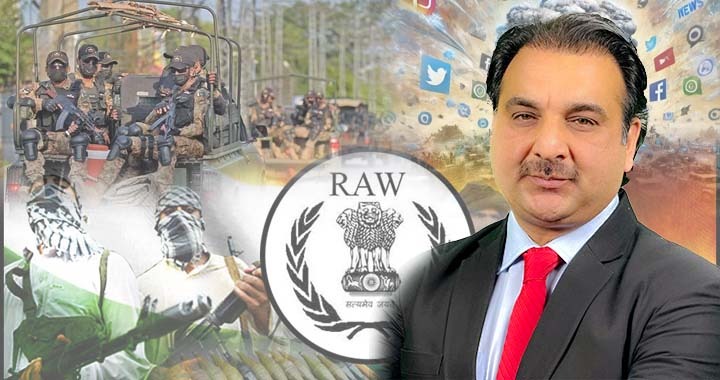
Over the past two to three years, in the ongoing fight against extremists, we have witnessed a clear and visible transformation in the traditional dynamics of warfare. A significant shift has taken place. Unlike conventional wars, where heavy weaponry was preferred, widely used, and seen as a decisive advantage, modern warfare has increasingly moved toward narratives. We are now living in an era where wars are fought through storytelling, perception, and influence.
If we examine incidents of terrorism in Khyber Pakhtunkhwa and then compare them with Balochistan, the nature of the threat differs considerably. In Balochistan, if we look at the historical context and the extremist elements operating there—referred to by the state as Fitna al-Hindustan, or the Baloch Liberation Army—their strategy is distinct. While they do carry out attacks from time to time, their primary focus is not physical violence alone. Instead, they concentrate heavily on social media, crafting misleading yet emotionally appealing narratives aimed particularly at young minds.
These groups circulate videos that create the impression they have taken control of the entire province. This has never been the reality. In fact, the situation on the ground is quite the opposite. The narrative is exaggerated, distorted, and often completely contradictory to facts.
By contrast, in Khyber Pakhtunkhwa—where the state refers to extremist elements as Fitna al-Khawarij, including the banned TTP—the approach is different. These groups focus more on direct attacks and far less on social media engagement. Their digital footprint is limited compared to the BLA. This distinction explains why Khyber Pakhtunkhwa has suffered far greater damage, accounting for nearly seventy percent of the overall impact.
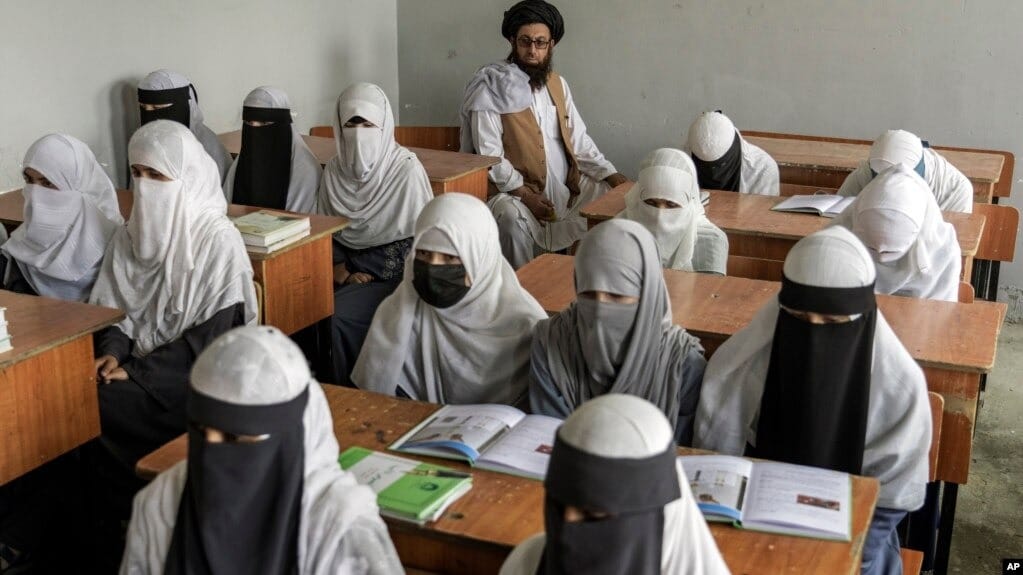
This leads us to a critical question. In earlier phases, those involved in such attacks were largely uneducated or minimally educated individuals. They were trained only to use weapons and depended entirely on violence. However, recent reports from Balochistan indicate a shift. Educated youth and students are now being targeted and radicalized through social media platforms such as Facebook, Instagram, and Telegram—often through their own personal accounts. Gradually, extremist recruitment has moved toward educated segments of society.
In Khyber Pakhtunkhwa, the dynamic is different. A large portion of the youth remains uneducated and economically vulnerable. Due to monthly financial needs and lack of opportunity, these individuals are easily recruited by militant groups.
This shift has become more pronounced over the past seven months, particularly after India suffered a humiliating defeat at Pakistan’s hands in May, with Pakistan emerging as a dominant regional and international power. The strategies adopted by the Pakistani state, the Field Marshal, and the policies currently being implemented have played a decisive role in this transformation.
Even as we speak, in areas such as North and South Waziristan, reports indicate that around forty to forty-five militants attempted to infiltrate from Afghanistan and were engaged by security forces. Approximately ten to twelve were reportedly killed, while others fled or went into hiding. This clearly reflects a policy of zero tolerance toward terrorism—no exceptions, no leniency. Facilitators, financiers, and operatives are all facing strict action.
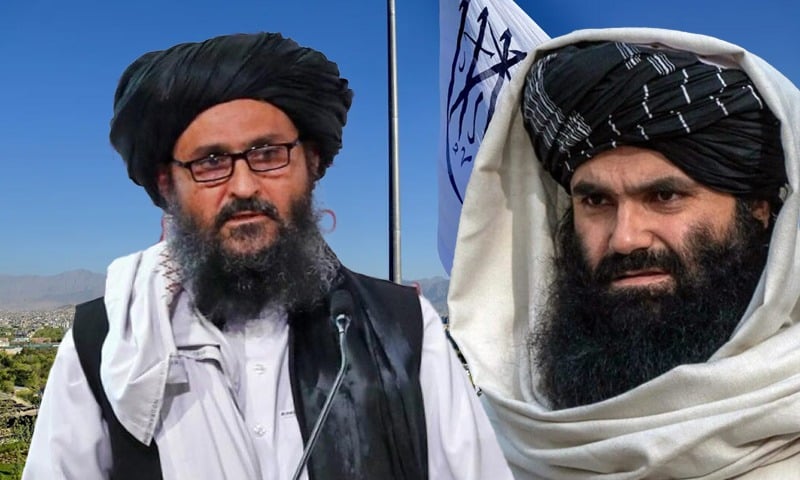
For the past two days, statements by Sirajuddin Haqqani have drawn attention. As mentioned earlier, there is a deep rift between the Kandahari Taliban and the Haqqani network. While Haqqani may support Pakistan’s stance, the question remains whether he can convince his own allies and tribal base. If not, will he once again distance himself, or attempt to assert control in Kabul? This internal divide represents a serious and evolving situation.
Pakistan is not alone in seeking stability. China, Russia, Iran, Tajikistan, and Turkey have all made efforts to reduce tensions between Pakistan and Afghanistan. However, this challenge does not belong to Pakistan alone.
Based on my own information, a few months ago India purchased drones worth two billion dollars from China and supplied them to the Islamic Emirate and the banned TTP. These drones are now reportedly being used against Pakistan. This threat is not limited to Pakistan; it extends to Iran, China, and Central Asian states. India’s investment, rather than supporting development, appears to be fueling terrorism.
Advanced technology in the hands of illiterate or poorly educated militants raises an important question: who is training them? With multiple consulates operating in Afghanistan, it is evident that intelligence operatives are facilitating training and operational use of such technology against regional security forces.
Meanwhile, the Khyber Pakhtunkhwa government appears more concerned with political survival, party interests, and leadership issues than with the direction in which the youth is heading. A divisive narrative is being promoted, spreading hatred rather than awareness. Fear of retaliation by banned groups has silenced political voices, unlike previous governments that took a firm stand.
Those being martyred today—whether security personnel, police officers, peace committee members, or civilians—were all born into Muslim households. Recent claims portraying fallen soldiers as non-believers are deeply misleading. A video showing the mother of Major Hamza Israr Shaheed reciting the Holy Quran beside her son’s grave stands as a powerful rebuttal to such narratives.
This is no longer just a conventional war; it is a narrative war; digital terrorism fought on social media. The government must actively counter this. Communities must speak up and guide youth away from paths funded and fueled by foreign agendas. The state has drawn a clear line: those who stand with it will benefit; those who oppose it will face consequences.
Border management remains a federal responsibility. Security forces continue to make daily sacrifices, as seen in Bajaur where a major was martyred recently. Their policies are clear and decisive. Where gaps exist—in governance, justice, and communication—it is the responsibility of provincial authorities to act. When people are denied justice or access to administration, they drift toward extremist alternatives.
Food insecurity and instability in Afghanistan are internal Afghan challenges. Mass migration reflects dissatisfaction with Taliban governance. Education, safety, and economic stability remain unresolved. Despite foreign funding, ordinary Afghans see little benefit. Diplomatic isolation persists, raising questions about governance and accountability.
Every country has the right to enforce its own policies regarding security and deportation. The central question remains whether the interim Afghan government has managed meaningful diplomatic relations over the past four years—or left its people exposed and isolated.