Differences between Noor Wali Mehsud, the current chief of the Tehreek-e-Taliban Pakistan, or the banned TTP aka Fitna al-Khawarij, and Jamaat-ul-Ahrar constitute a very important issue. Although this is not the first time such differences have surfaced, it is also a fact that internal rifts within guerrilla or militant organisations are rarely reported in the media or made public.
However, given that we work on this beat, and considering the prevailing security situation in our province and in the country, we have no choice but to engage seriously with such developments. We cannot afford to remain indifferent to reports of this nature.
As for when these differences began, they trace back to the killing of Umar Khalid Khurasani, the founder of Jamaat-ul-Ahrar, along with two of his close associates, in Afghanistan. Following his death, Jamaat-ul-Ahrar’s social media accounts, as well as some of its key figures who maintained contact with the media, including Ehsanullah Ehsan, openly expressed doubts that the Noor Wali Mehsud-led faction was behind Khurasani’s killing.
All of these claims and counterclaims emerged after Khurasani’s death. At the time, a critical question was raised: why would Noor Wali Mehsud target such a prominent commander? Apparently, there were two major reasons.
First, after the US drone strike that killed Mullah Fazlullah, the Swat-based commander, in Afghanistan, a leadership contest emerged within the TTP. Two names were central to this contest: Umar Khalid Khurasani and Noor Wali Mehsud. That rivalry has, in one form or another, persisted ever since.
Following this, organisational and ideological differences became more pronounced. Jamaat-ul-Ahrar initially alleged that Noor Wali Mehsud’s group had killed Umar Khalid Khurasani. The second, and perhaps more significant allegation, was that Noor Wali Mehsud was “compromised”.
Nearly a year and a half ago, Jamaat-ul-Ahrar circles were already claiming that Noor Wali Mehsud was compromised. Two arguments were repeatedly advanced. First, they insisted on the need for the most aggressive action and reaction against the Pakistani state. According to Jamaat-ul-Ahrar, the TTP under Noor Wali Mehsud was not pursuing such a course.
Second, there were mediations, notably involving the Afghan Taliban. Around the same time, Noor Wali Mehsud raised objections regarding Ghazi Media, arguing that it functioned as a parallel media platform alongside the TTP’s official media structure, which operated under his leadership. Jamaat-ul-Ahrar, while still formally part of the TTP, maintained a distinct identity.
In this context, Noor Wali Mehsud reportedly called for Ghazi Media to be shut down, arguing that there should be no parallel propaganda outlets. Subsequently, some degree of pressure was exerted, either by the Afghan Taliban or by the authorities there, despite claims of non-interference. In practice, they did intervene, particularly in matters related to infrastructure and media management.
Whenever differences surface among such groups, mediation is typically offered, along with guidance on how to manage propaganda and internal disputes.
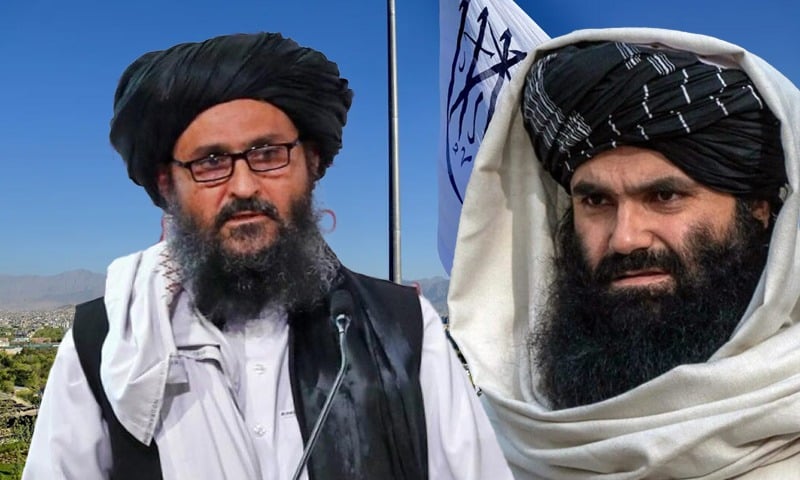
All of this is based on verifiable patterns. Then there is another significant development. A few months ago, Sarbakaf Mohmand, a senior commander and a member of the TTP’s shura, came into focus. After Umar Khalid Khurasani’s death, three prominent figures remained within Jamaat-ul-Ahrar. One, a Swat-based commander, was killed alongside Khurasani. The second was Ehsanullah Ehsan. The third was Sarbakaf Mohmand. All three hailed from the Mohmand area.
Jamaat-ul-Ahrar, in effect, produced Mohmand’s leadership. Later, in a WhatsApp group, accusations against Noor Wali Mehsud were circulated in the form of an audio message lasting 30 to 40 minutes. The message claimed that Noor Wali Mehsud was compromised, that he spoke at times about negotiations, and that the TTP had not been established solely for Khyber Pakhtunkhwa. According to this narrative, militant activities were instead being shifted to Punjab, Sindh, and other regions.
These arguments have been raised repeatedly. Now, once again, reports of internal differences have surfaced, accompanied by another significant factor. Based on certain activities attributed to Sarbakaf Mohmand, the Noor Wali Mehsud-led TTP reportedly approached the Afghan Taliban for intervention. As a result, it has been over a month since Sarbakaf Mohmand has appeared on WhatsApp groups or other platforms where he was previously active.
This information is emerging from Afghanistan, where reliable details are often scarce. Senior journalist Tahir Khan has also pointed out that a crackdown has reportedly taken place against Jamaat-ul-Ahrar. According to these reports, Afghan Taliban forces, possibly in coordination with the TTP, arrested Sarbakaf Mohmand along with 12 to 13 associates.
If Sarbakaf Mohmand has indeed been arrested, this is a major development. He is known to be particularly accessible to the media. While we often rely on translated TTP material and share it through our own institutional channels, Sarbakaf Mohmand’s sudden disappearance is conspicuous. To some extent, he appears to have gone underground in Afghanistan.
When such a media-friendly figure vanishes, it usually signals that something significant is underway. It is important to clarify that Sarbakaf Mohmand himself did not appeal to the Afghan Taliban for intervention. Rather, the TTP leadership did so. As mentioned earlier, such internal differences are rarely documented, but those familiar with the structure of the TTP and similar organisations can often sense when fractures are developing.
There is also debate over whether Jamaat-ul-Ahrar or Sarbakaf Mohmand would have taken these steps independently. TTP-linked reports suggest that an appeal was made to the Afghan Taliban, followed by an unconfirmed but decisive action that resulted in arrests.
Meanwhile, a report by the United Nations Security Council has added another critical dimension. The report states that Noor Wali Mehsud receives approximately 30 million rupees per month from the Afghan Taliban. This raises serious questions. On one hand, the Afghan Taliban claim they will act against such groups. On the other, financial support continues, and Noor Wali Mehsud reportedly resides in Kabul.
This is not a Pakistani report, nor a personal assessment. It is a UN Security Council document, issued by the world’s most authoritative forum on terrorism and terror financing. Similar findings appeared in earlier reports, including those published a year ago.
These reports indicated not only the existence of financial arrangements but also that significant sums were being provided regularly to TTP commanders, including Noor Wali Mehsud. In regional terms, such an amount is enormous.
Two realities stand exposed. On one side, anti-American rhetoric continues, including demands related to Bagram Air Base and weapons recovery. On the other, billions of dollars continue to flow, as reported recently by the Washington Post. From the same financial ecosystem, funds reach militant leaders.
Another American report, reportedly by SIGAR, stated that of the 7.1 billion dollars’ worth of weapons left behind, 25 to 35 percent ended up with militant groups. Pakistan, by all assessments, has borne the brunt of this fallout.
What was previously dismissed as exaggeration is now being acknowledged internationally: Afghanistan has become not just a haven, but a hub where such groups are supported. This poses a threat not only to Pakistan, but to global security. Developments such as those seen in Sydney underline the international dimension of this threat.
Daesh operates either from Afghanistan or through Pakistan, but its leadership and handlers remain across the border. Afghanistan, therefore, represents a growing danger, shielded by selective enforcement and geopolitical contradictions.
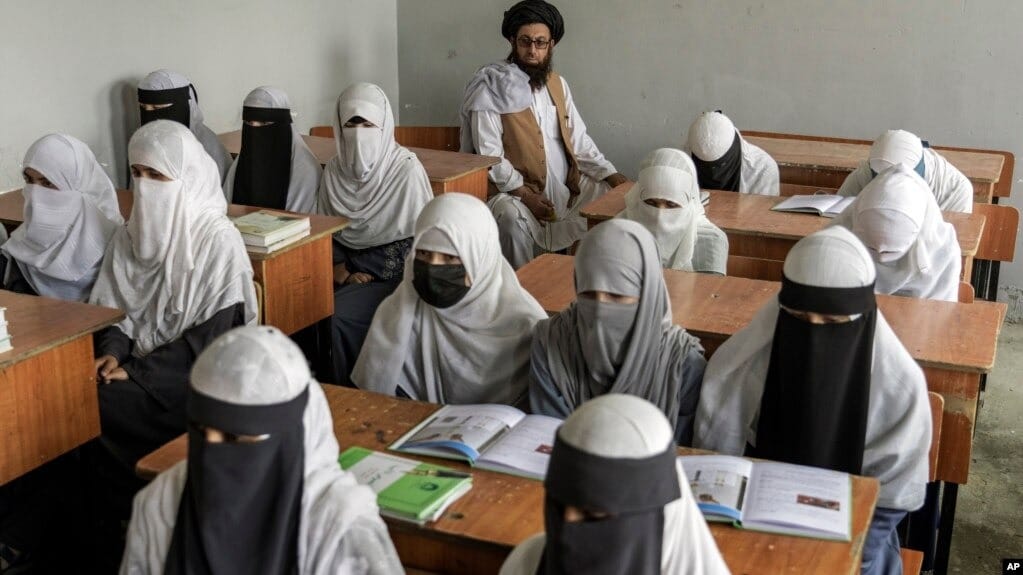
The international community’s response has been weak. Governance challenges persist in Kabul, while ideological infrastructure continues to expand. Reports indicate the rapid proliferation of madrasas, many aligned with jihadist narratives. Thousands are reportedly operating today.
Before 9/11, similar financial and ideological support structures existed. Today, Daesh’s budget reportedly rivals that of the Afghan state itself. This reflects not strength, but a dangerous imbalance.
Based on these realities, it appears that Afghanistan has deviated from earlier commitments. This deviation places regional and international peace at serious risk.