(Shamim Shahid)
The controversy surrounding the Tirah operation has once again exposed a chronic fault line in Pakistan’s governance: the dangerous disconnect between Islamabad and Peshawar. What should have been a clearly articulated, legally justified, and administratively coordinated security initiative has instead descended into confusion, contradiction, and human suffering. At the centre of this unfolding crisis are the people of Tirah — displaced, exposed to extreme weather, and abandoned amid a war of words between the federal and provincial governments.
For weeks, conflicting statements have emerged regarding whether an operation is actually underway in Tirah Valley. Federal ministers, including those responsible for defence and intelligence, have publicly denied that any military operation is being conducted. Yet on the ground, thousands of families have been forced to vacate their homes. Notifications have been issued by the Deputy Commissioner Khyber. Funds running into billions of rupees have been approved by the Khyber Pakhtunkhwa cabinet. More than one billion rupees has reportedly been released to facilitate rent payments for displaced families. These are not administrative steps taken in a vacuum. They are the unmistakable footprints of an operation whether officially acknowledged or not
This contradiction raises a fundamental question: if there is no operation, why have people been ordered to leave their homes?
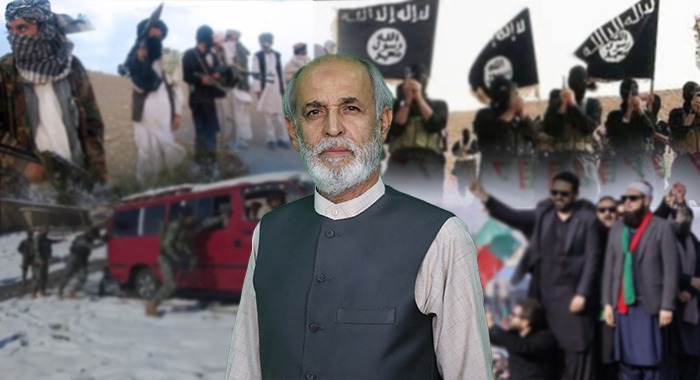
The absence of a clear, unified narrative has not merely created political embarrassment; it has inflicted tangible harm on citizens. According to figures cited by elected representatives, more than 130,000 people have been displaced. No formal camps have been established. Families are sheltering in makeshift arrangements, relying on relatives or erecting temporary shelters in freezing conditions. Snowfall, continuous rain, and sub-zero temperatures have worsened an already dire humanitarian situation. Vehicles abandoned on snow-blocked roads, punctured tyres, and stalled convoys are silent witnesses to administrative paralysis. Rescue officials recently confirmed that over 120 people had to be rescued after being trapped in snow during displacement. This alone should have triggered an immediate review of decision-making processes. Instead, silence and denial have prevailed.
What makes this crisis particularly alarming is the visible breakdown in coordination between the federation and the province. At various points, federal ministers publicly stated that an operation in Tirah was inevitable and unavoidable. Statements attributed to senior officials and security sources reinforced this narrative. Then, suddenly, denials emerged. The same federal leadership that had earlier framed the operation as a necessity now distanced itself from it entirely. This abrupt reversal has deepened mistrust, not only between governments but also between the state and its citizens.
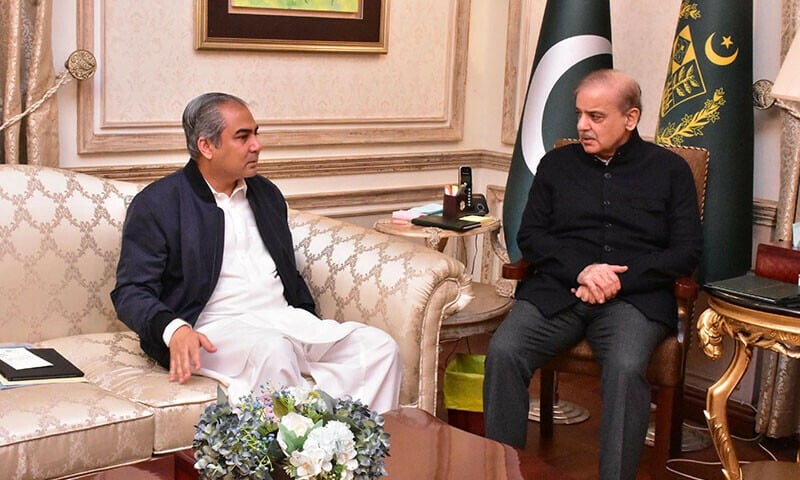
The provincial government, meanwhile, appears overwhelmed politically distracted and administratively paralysed. Its primary focus, at present, seems to be centred on street agitation and political mobilisation for the release of Imran Khan. Rallies in Swat, Mardan, Mansehra, and other districts have consumed the attention of the leadership. The machinery of governance, as a result, appears to have stalled. When ministers are absent from their offices and administrative authority becomes secondary to political strategy, governance inevitably suffers. The Tirah crisis is a textbook example of this failure.
Adding another layer of complexity are the alarming claims by a provincial minister who has publicly stated that he and his family have received death threats and that attempts are being made on his life. These are not allegations that can be brushed aside. When a sitting minister makes such claims, he bears the responsibility of presenting evidence before the public, parliament, and the courts. If such threats exist, they must be investigated transparently. If they do not, the political cost of making such assertions is equally serious. Either way, ambiguity serves no one least of all the displaced families caught in the crossfire. The affected families are paying the highest price for this institutional confusion. Registration processes for assistance remain complicated and slow. Rent payments have not been made in many cases. There is no clear timeline for return. There is no visible humanitarian infrastructure. In short, displacement has occurred without preparation, planning, or protection.
This situation is not unfolding in isolation. Across Khyber Pakhtunkhwa, governance appears adrift. Security incidents continue to rise. In recent days, reports of attacks, killings, and growing street crime have emerged from multiple districts. In Peshawar, even religious leaders have begun warning worshippers to guard their pockets during prayers a grim indicator of deteriorating law and order. Flour shortages, rising prices, and economic stagnation compound public frustration. Factories are shutting down. More than 400 industrial units have reportedly closed in the past two years. Trade has suffered. Daily life has become increasingly insecure. Against this backdrop, prolonged political agitation offers little relief to ordinary citizens.
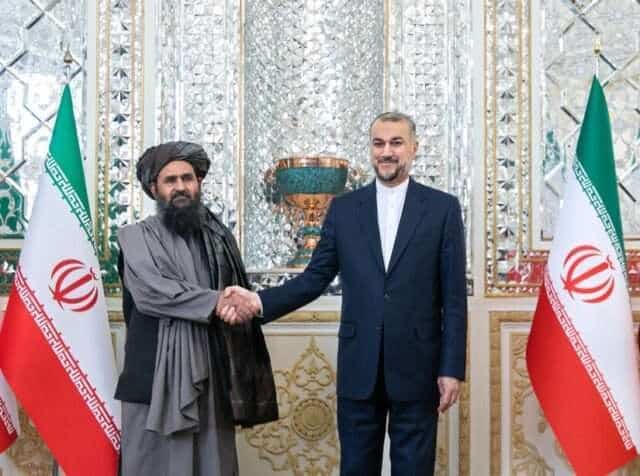
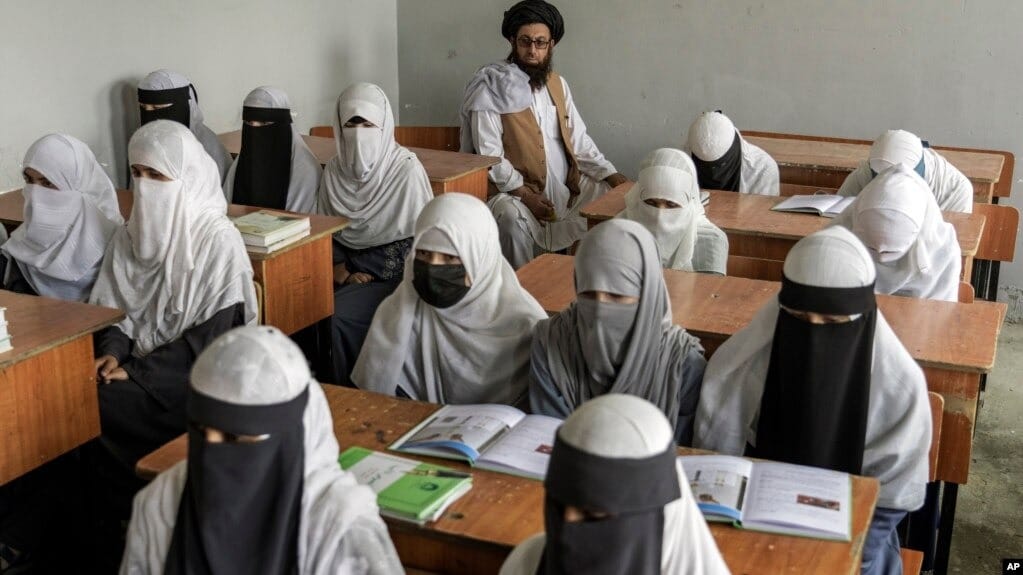
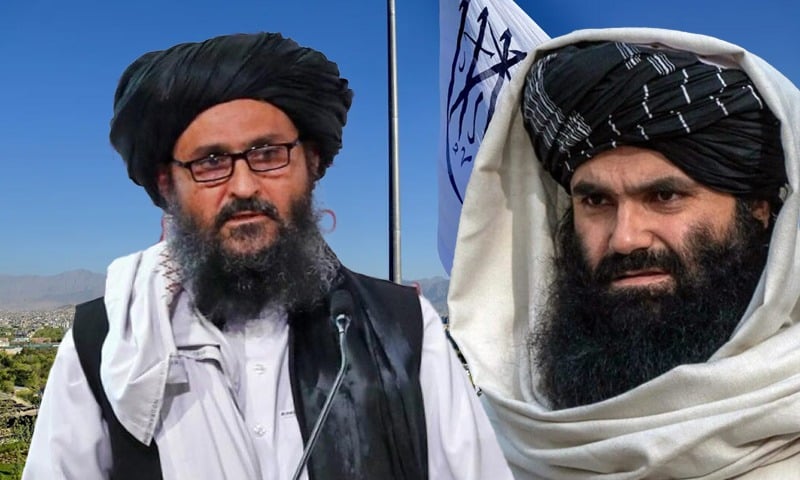
The confusion extends to the bureaucracy and security apparatus as well. Officials are unsure whom to follow federal directives, provincial instructions, or political signals. This paralysis is dangerous. A state cannot function when its own institutions are caught between competing centres of authority. If this trajectory continues, Khyber Pakhtunkhwa risks sliding into a crisis deeper than that witnessed in Balochistan. The warning signs are already visible: displacement without safeguards, security without clarity, politics without governance. Beyond Pakistan’s borders, the regional context further complicates matters. Afghanistan remains mired in internal divisions within the Taliban. Dissenting voices have been silenced, banned from social media, or pushed out of government. There is no meaningful political dialogue. At the same time, Pak-Afghan relations remain tense and stagnant. Silence has replaced engagement. With global attention diverted elsewhere particularly towards Gaza this silence risks hardening into hostility.
Deteriorating relations with Afghanistan will inevitably impact Pakistan’s security and economy, especially in border regions like Khyber. Trade disruptions, refugee pressures, and militant spillover are not hypothetical risks; they are historical realities.The way forward is neither denial nor deflection. It requires responsibility. The federal government must clarify its position unequivocally. Either there is an operation in Tirah, justified by security imperatives and supported by humanitarian planning, or there is not. Half-truths and contradictions are unacceptable. The provincial government must refocus on governance. Political movements cannot substitute for administrative responsibility. Displaced citizens are not pawns in a power struggle; they are citizens with constitutional rights.
A joint inquiry federal and provincial must be conducted to determine who authorised displacement, under what legal framework, and with what safeguards. Accountability must follow. Those who issued orders without preparation must be held responsible. Most importantly, the state must act like a state not a collection of competing narratives. Governments exist to protect citizens, not to confuse them. In times of crisis, the role of leadership is not to mobilise crowds, but to stabilise lives. The people of Tirah deserve clarity, dignity, and justice. Until they receive it, the Tirah operation will remain not just a security controversy, but a moral indictment of governance failure.
.