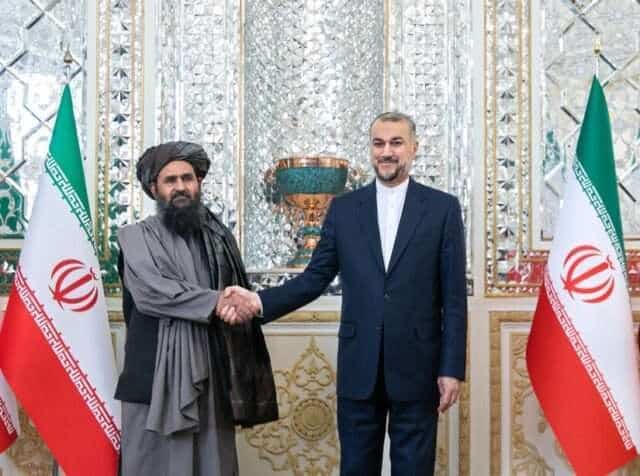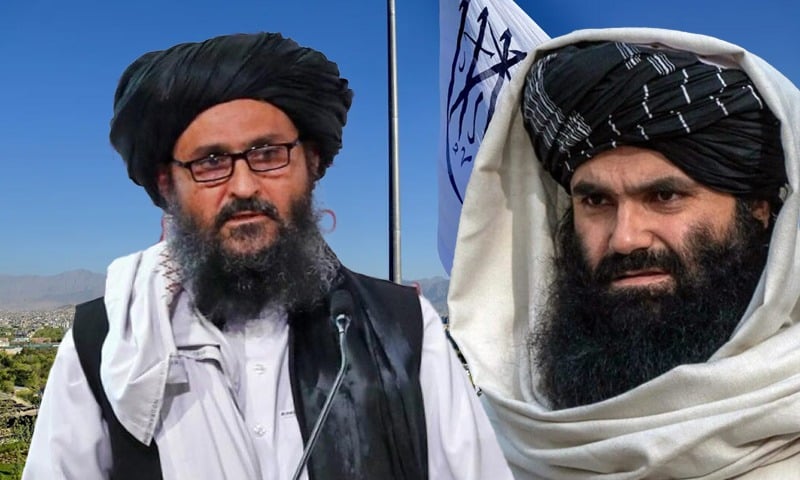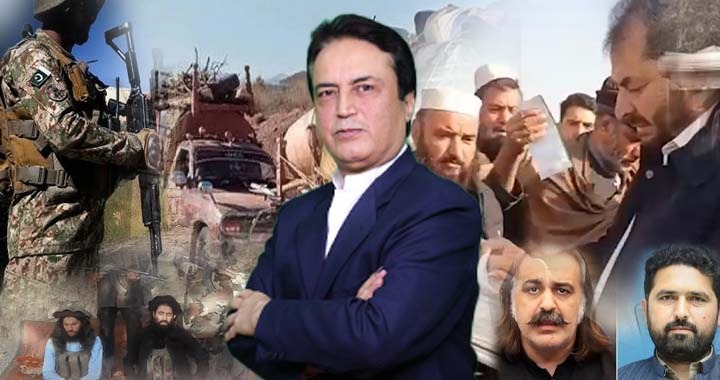
I have observed the developments, as well as the Taliban’s flawed governance, in Afghanistan closely, and it is clear that internal disagreements within the Taliban, particularly between the Haqqani Network and the Kandahari faction, have long been a part of their political landscape. The recent BBC report highlighting these tensions should not be treated as a cause for alarm. From my experience, these differences are generally small, managed internally, and do not threaten the overall cohesion of the Islamic Emirate. Historically, even when figures like Abbas Stanakzai or Khalifa Siraj-ud-Din Haqqani traveled abroad, rumors of factional splits circulated. Yet, the Taliban have consistently reconciled their differences and moved forward.
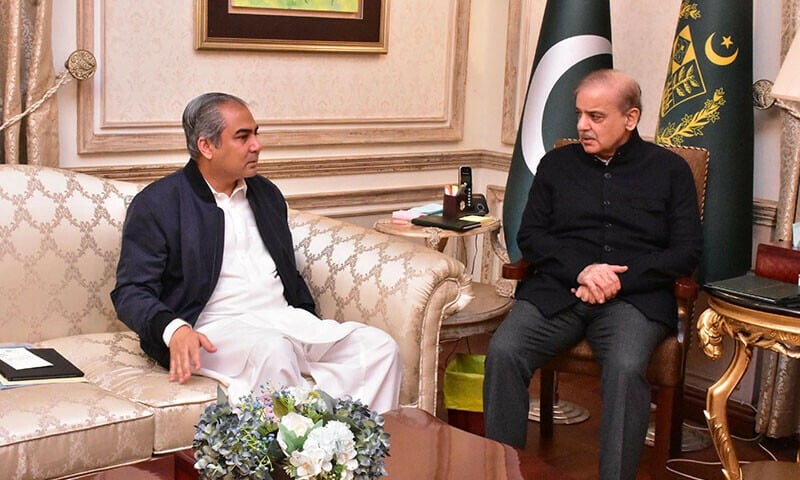
What concerns me more urgently, however, is the state of governance and security in Khyber Pakhtunkhwa. The provincial government, led by Chief Minister Sohail Afridi under the PTI, has repeatedly demonstrated an inability or unwillingness to prioritize public welfare. The responsibility that comes with the people’s mandate is ignored, and the mechanisms of governance are weak. Decisions affecting thousands are taken behind closed doors, leaving ordinary citizens to face displacement or hardship without clear communication. For instance, the IDPs from Tirah are suffering due to administrative lapses, despite agreements made with local committees and district administration officials. These failures fall directly on the provincial leadership, which often deflects responsibility onto others, including the bureaucracy and security agencies.
The situation is exacerbated by the incomplete cabinet and lack of coherent policy direction. Ministers, MPAs, and MNAs appear disengaged, and their understanding of public issues is minimal. The gap between rhetoric and action is stark. While PTI emphasizes justice and governance in speeches, their actual performance, particularly regarding security and public services, is negligible. Resources of the province continue to be mismanaged, and the systemic deprivation of Pakhtunkhwa remains unresolved despite years in power. The result is a growing disillusionment among citizens who trusted the PTI to deliver justice and development.
The party’s ambiguous stance on terrorism further undermines its credibility. On one hand, the government publicly condemns militancy; on the other, it hesitates to take a firm position against groups like the TTP. This duplicity, whether born of fear, political calculation, or soft sympathies, leaves security operations hampered and civilians vulnerable. Statements from party leaders often contradict ground realities. While Chief Minister Afridi claims to support military operations, his government’s actions fail to reflect that commitment.
From my perspective, these challenges are compounded by the broader regional security context. Pakistan’s engagement with Afghanistan, including its attempts to persuade the Taliban to restrain TTP activity, has yielded limited results. Islamabad has relied on diplomacy, religious mediation, and regional forums, yet Afghan soil continues to be used for cross-border terrorism. While dialogue remains necessary, it cannot replace the practical steps required to ensure security along the western border. Pakistan’s recalibrated “2-D strategy”—deterrence and dialogue—reflects the urgency of these threats, with targeted operations against TTP leadership and infrastructure complementing diplomatic engagement.
In the absence of strong provincial governance, local citizens bear the brunt of these challenges. Forced displacements, disrupted livelihoods, and lack of access to essential services are direct consequences of administrative inaction. Residents of Tirah, for example, have been compelled to vacate homes without sufficient support or clarity on return timelines. These actions illustrate how governance failures amplify human suffering and reduce public trust. Leadership in Pakhtunkhwa must recognize that security is not merely a military issue—it is intrinsically linked to civil administration and the delivery of justice.
I have repeatedly observed that political priorities often overshadow governance. PTI’s focus appears to be primarily on party politics and the positioning of its leadership, rather than the welfare of citizens. Political gatherings, rallies, and campaigns dominate attention, while systemic issues—education, healthcare, equitable resource allocation—remain neglected. Even within the party, there is a perception that some leaders operate under the influence of external interests, compromising the province’s autonomy and undermining public confidence. This compromises not only governance but also the party’s moral standing as a representative of the people.
The lessons from history are clear. During previous conflicts and external interventions in Afghanistan, factions that failed to maintain unity suffered devastating consequences. The Taliban have demonstrated awareness of these dynamics and, so far, have managed to keep their organization intact despite minor disagreements. Similarly, Pakhtunkhwa requires leadership that understands the stakes, acts decisively, and ensures that political or personal interests do not overshadow the province’s security and development needs.
It is imperative for the government to act with transparency and accountability. Closed-door decisions must be replaced with inclusive consultations, particularly when lives and homes are at stake. Chief Minister Afridi and his team must assert direct control over administrative and security functions, rather than relying on excuses about bureaucratic subordination. They must prioritize resolving public grievances, ensuring displaced citizens can safely return, and demonstrating genuine commitment to the mandate entrusted by voters.
Finally, the people of Pakhtunkhwa deserve governance that is not only rhetorically committed to justice but practically accountable. Public trust, once eroded, is difficult to restore. The province cannot afford continued political games, indecision, or partial measures in the face of terrorism and social challenges. Leadership must act decisively, uphold the law, protect citizens, and manage resources effectively. Only then can the cycle of deprivation, insecurity, and administrative failure be broken.
In conclusion, while the Taliban in Afghanistan manage their internal differences without fracturing, the PTI-led government in Pakhtunkhwa struggles to manage governance itself. The stakes for ordinary citizens are high, and time is running out for meaningful action. Leaders must move beyond political theatrics and personal convenience, take responsibility for their mandates, and ensure that justice, security, and public welfare are not just slogans but lived realities.