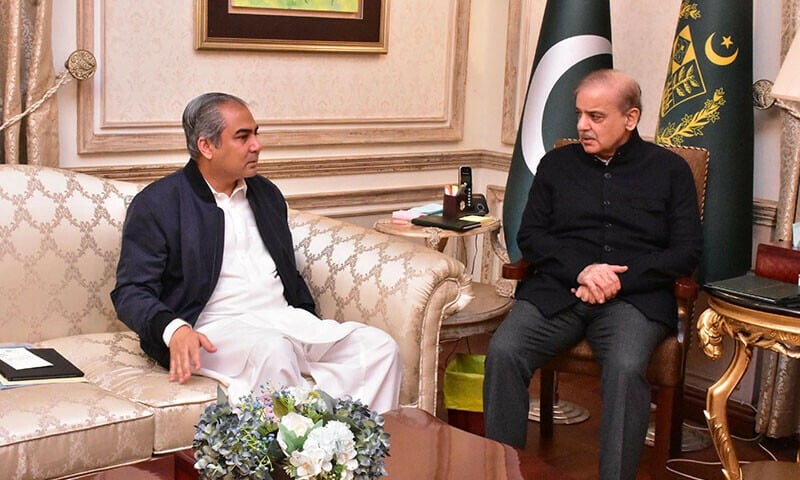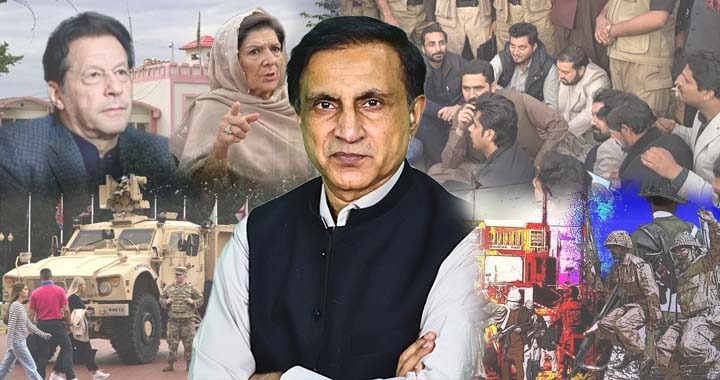
Sohail Afridi, the Chief Minister of Khyber Pakhtunkhwa, a terror-stricken province, has faced criticism for travelling to Islamabad twice a week, on Tuesdays and Thursdays. While critics see this as excessive, it is within his right to meet with the former Prime Minister, Imran Khan. The real issue, however, arises when such meetings, intended to be political-free as per court restrictions, result in statements or media appearances that amplify political polarisation. This dynamic raises questions about maintaining the focus on governance, especially given the ongoing security operations across the province.
Targeted operations continue in Bannu, D.I. Khan, Bajaur, Chitral, and Waziristan. Although not large-scale, these operations involve real risks, with soldiers frequently martyred or injured. The threat environment is compounded by daily alerts and incidents, including attacks in Peshawar, which highlight the continuous dangers facing both security forces and civilians. In this context, the government must ensure public confidence while balancing political rights with administrative responsibilities.
The province also faces significant economic challenges. High unemployment, particularly among the youth, and lack of active trade and business activity mean development efforts are constrained. Citizens’ expectations remain unmet, with past promises of effective governance and security improvements largely unfulfilled. Previous criticisms, such as those faced by former leaders, underscore the importance of separating party activities from governmental responsibilities. Party leaders must focus on organizational work, while governance requires attention to public needs and infrastructure.
Infrastructure and funding remain central concerns. Upcoming meetings with the federal government, including the National Finance Commission (NFC) session, are critical for securing funds for development, security, and public services. Announcements of large allocations; such as the promise of 100 billion rupees for Peshawar and 1,000 billion for merged districts, must be backed by realistic planning and secured funds. Without proper financing, initiatives for security enhancements, police equipment, and infrastructure development cannot succeed.
The modernisation of security forces is a long-term endeavour. Police and law enforcement require three to four years of structured investment to be fully equipped to counter advanced threats, including drone attacks and other modern tactics used by terrorist organisations. Incremental funding over multiple years is necessary to build stations, procure weapons, and train personnel, ensuring sustainable improvements rather than temporary fixes.
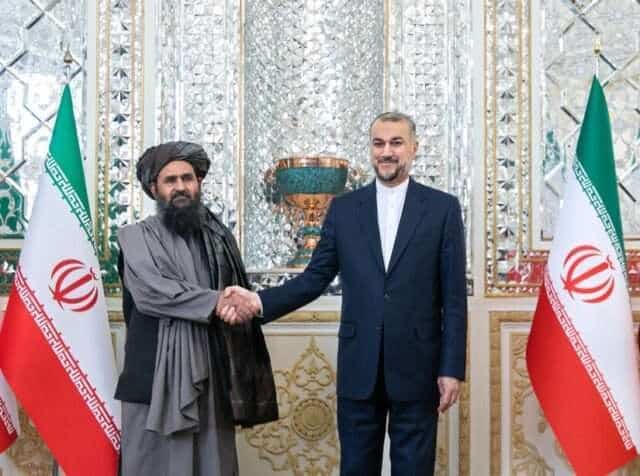
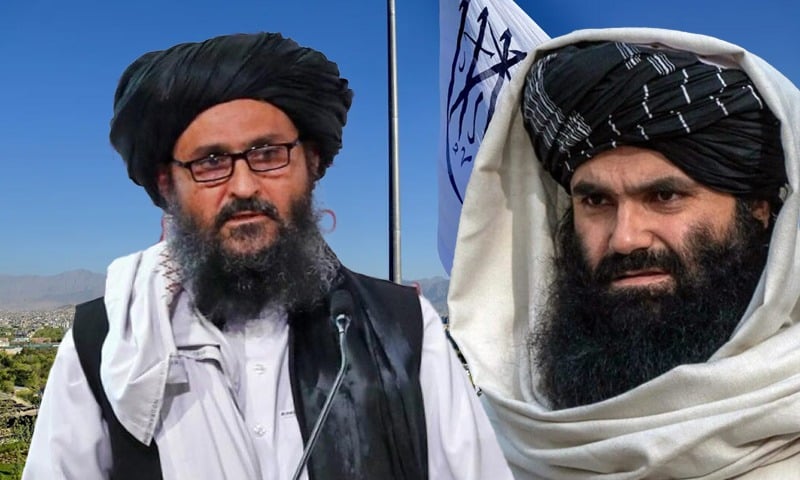
The broader regional threat landscape is equally concerning. Afghanistan remains a hub for terrorist organisations, including TTP, Daesh, and Al-Qaeda, which operate with relative freedom. Incidents involving Afghan nationals, such as attacks near the White House in the U.S. and the recent killing of Chinese citizens in Tajikistan, underscore the global reach of these networks. These attacks are enabled by the permissive environment under the Taliban, which not only threatens Pakistan’s security but also regional and international stability.
International responses are increasingly focused on Afghanistan as a source of transnational terrorism. Conferences in Russia and Denmark, as well as statements from global leaders, highlight that the Taliban’s inability or unwillingness to curb militant activity poses risks far beyond Afghanistan’s borders. Pakistan has repeatedly provided evidence regarding terrorist sanctuaries in Afghanistan, but regional diplomatic considerations, including requests from allied Islamic countries, have delayed direct action. Nonetheless, the window for patience is closing, and decisive measures may become necessary to safeguard national and regional security.
The domestic picture mirrors these external threats. Political rallies and protests, while legal, must be weighed against the province’s security situation, ongoing military and police operations, and limited resources. Effective governance demands that political activity does not overshadow the urgent need for public safety, economic development, and administrative effectiveness.
In conclusion, Khyber Pakhtunkhwa faces intersecting challenges: ongoing terrorism, strained security forces, economic stagnation, and political tensions. Strengthening governance, securing federal funding, and modernising security forces are essential to stabilise the province. Concurrently, regional threats from Afghanistan’s militant networks necessitate vigilant intelligence, international coordination, and proactive counterterrorism measures. Without addressing both domestic and regional dimensions in a structured and sustained manner, the province, and the country, remain exposed to ongoing risks.