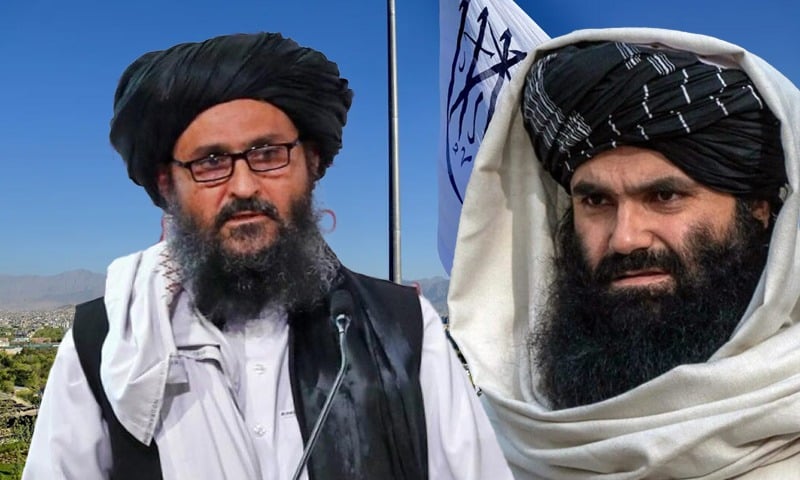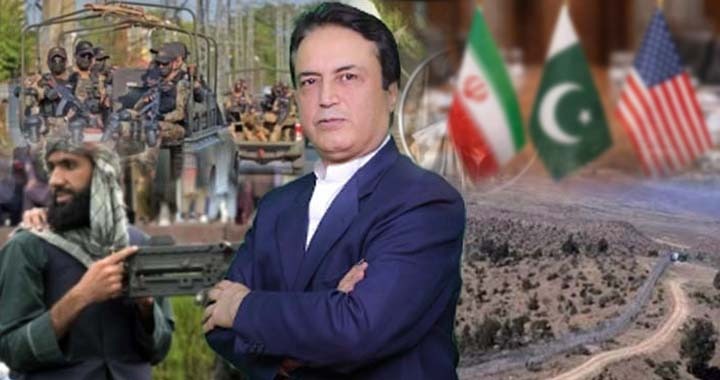
Pakistan today finds itself in a complex security landscape where the visible decline in terrorist incidents in certain areas, particularly parts of Khyber Pakhtunkhwa, masks a deeper and more adaptive threat. Groups such as the banned Tehreek-e-Taliban Pakistan (TTP), Tehreek-e-Taliban Gul Bahadur Group (TTG), and their affiliates are not disappearing, they are reorganizing, recalibrating, and expanding their operational footprint across the country.
Contrary to the common perception that the TTP remains confined to former tribal districts, its network has evolved into a nationwide architecture. From Karachi to southern Punjab, and from Balochistan to Gilgit-Baltistan, the group has demonstrated both intent and capability to strike. Past patterns reveal that urban centers like Karachi were once among the most affected regions, and recent indicators suggest a renewed effort to rebuild presence in Sindh through local alliances.
The TTP’s internal structure further reinforces this expansion. The group has effectively mapped Pakistan along administrative lines, assigning operational responsibilities across provinces and districts, complete with parallel chains for logistics, media, and financing. This is not a fragmented insurgency, but a systematized network attempting to replicate a shadow governance model.
Alongside the TTP, the Hafiz Gul Bahadur Group operates with a more geographically concentrated yet tactically significant presence. From North Waziristan to Bannu and Lakki Marwat, its footprint has steadily expanded. Notably, this group has shown greater sophistication in certain attack patterns, including the use of drone-based tactics, a development that signals an evolution in methods rather than mere continuity.
At various points, these groups intersect. Alliances, whether temporary or strategic, are increasingly visible. Smaller factions are merging under broader umbrellas, sometimes operating collectively under new or lesser-known banners. This fluidity complicates counter-terrorism efforts, as the threat is no longer linear or isolated, but layered and interconnected.
While security operations across Pakistan continue with intensity, the broader question is not whether force is being applied, but whether it is being complemented effectively. Military action has disrupted networks and eliminated key operatives, yet the persistence and adaptation of these groups suggest that force alone cannot deliver a decisive outcome.
History offers a clear lesson. Even at the height of its military campaign in Afghanistan, the United States maintained channels of negotiation and engagement. The eventual Doha process emerged not despite conflict, but alongside it. This dual-track approach, combining pressure with dialogue, remains a critical reference point.
For Pakistan, a similar balance is essential. Counter-terrorism operations must continue wherever threats manifest, but they need to be accompanied by a calibrated policy of engagement. This does not imply concessions, but rather a strategic use of all available tools to shape outcomes.
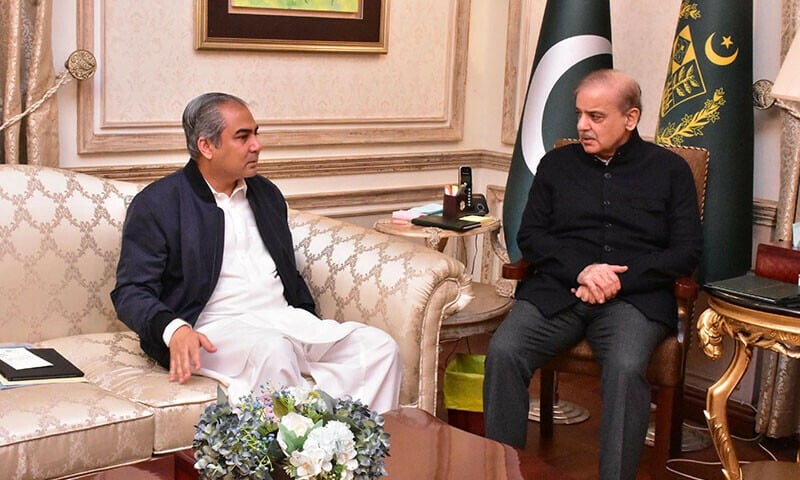
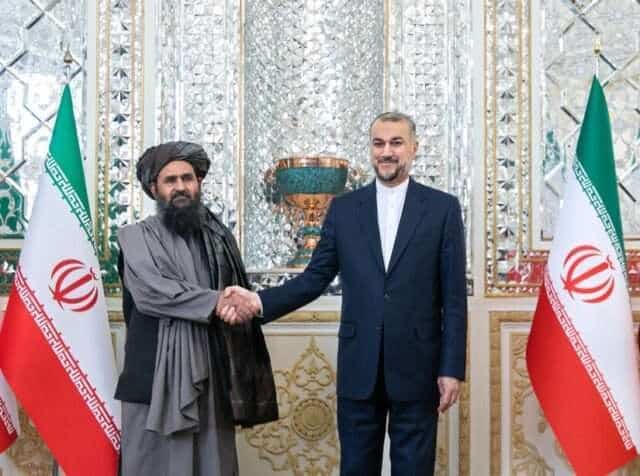
In parallel, regional diplomacy is unfolding. Pakistan’s role in facilitating dialogue between the United States and Iran in Islamabad reflects a broader diplomatic confidence and capability. At the same time, talks between Pakistan and Afghanistan in Urumqi, hosted by China, indicate an attempt to stabilize another critical front.
However, expectations must remain grounded. The Urumqi talks, while symbolically important, were limited in scope and representation. They laid groundwork rather than delivering breakthroughs. Real progress, if any, is likely to emerge only through sustained, high-level engagement, potentially in future rounds.
China’s role in this context is particularly significant. With deep economic stakes in both Pakistan and Afghanistan, Beijing possesses both leverage and incentive to push for stability. Its long-term vision, linked to regional connectivity and economic corridors, depends heavily on a secure environment.
Ultimately, Pakistan’s challenge is twofold. Internally, it must confront a transforming terrorist threat that is decentralized yet coordinated. Externally, it must navigate a complex diplomatic environment where regional stability is both an opportunity and a necessity.
Peace, in this equation, is not a single event but a process. It may emerge through force, through dialogue, or more realistically, through a combination of both. What remains clear is that neither path, in isolation, is sufficient.