Muhammad Haseenullah
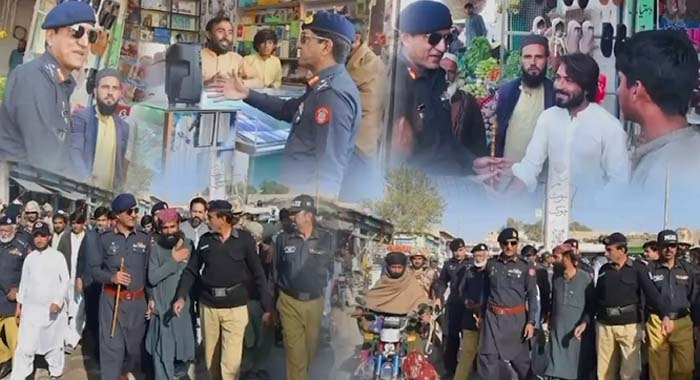
Communities across Pakistan, especially in Khyber Pakhtunkhwa and the merged districts, have shown that public resolve has become the most reliable line of defence at a time when militant networks are testing the state’s capacity. The recent rise in cross border attacks, targeted killings, and the reappearance of splinter groups associated with the banned TTP has created pressure on law enforcement agencies, yet the strongest response has come from citizens who refuse to surrender their towns, villages, and livelihoods to fear. Jirgas, peace committees, tribal alliances, and local coordination networks have reactivated themselves with a clarity that militants did not expect. Their message is simple, they will not leave space unchallenged.
A Community Driven Shift
This shift matters because militancy in Pakistan has always exploited silence, division, and disengagement. When people retreat, militants advance. When communities stand firm, the ground contracts under the militants’ feet. Over the past two years, multiple protests, sit ins, and village level security initiatives have demonstrated that communities are no longer willing to accept unchecked infiltration from across the Afghan border or the reactivation of sleeper cells within their districts. This pressure strengthens the morale of security forces, improves intelligence flow, and challenges militant mobility. Militants depend on the belief that the public will eventually tire. They are now learning that this belief is outdated.
Public resolve also weakens militant propaganda. Many of these groups try to present themselves as defenders of communities, yet the people they claim to defend are openly rejecting them. This rejection has strategic weight because militancy survives through social penetration, not just firepower. Once that penetration collapses, their networks lose safe houses, logistics, shelter, and silence. Public resistance has already disrupted several such channels.
The state still needs to fix its Afghan policy, improve border management, and correct internal security gaps, but no policy will succeed without citizens who refuse to yield space. Pakistan’s counter terror fight is strongest when the people inside its vulnerable districts become stakeholders in their own security. That resolve is now visible, and it is changing the dynamics on the ground.