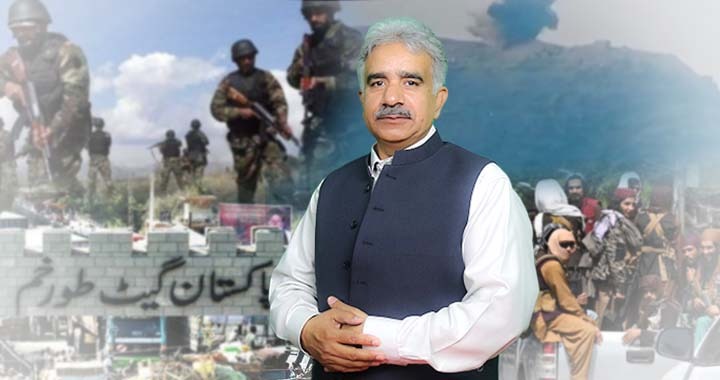
Clashes erupted along the Pakistan Afghanistan border yesterday evening, initiated from the Afghan side, with cross firing continuing for nearly an hour. Pakistan’s security forces were already on high alert, reflecting the fragile state of the frontier.
The central question is not whether tensions exist, but how long restraint can remain sustainable.
According to the analysis, Pakistan exercised considerable patience in recent weeks. Friendly states including the UAE, Qatar and Saudi Arabia had reportedly conveyed assurances that the Afghan Taliban administration would either disarm anti Pakistan militant groups, retrieve their weapons, or guarantee an end to cross border infiltration. Those assurances, it is argued, did not translate into tangible action.
Subsequently, Pakistan’s Defence Minister publicly warned that any attack on Pakistani soil would invite a response. A series of incidents followed, including a suicide attack in Islamabad, another in Bajaur, and a deadly quadcopter strike on Federal Constabulary personnel in Karak. The attack was compounded when wounded personnel were ambushed during evacuation. Such acts, the analyst contends, violate both moral and religious principles.
Further violence was reported in Kohat, reinforcing the perception that militant networks remain operational. Pakistan responded with airstrikes targeting safe havens across the border. Officials claim that key militant commanders were eliminated and that evidence exists linking these sites to coordinated attacks inside Pakistan.
Public statements from Taliban leadership promising retaliation are viewed by the analyst as largely symbolic. Border firing and limited heavy weapon use are described as attempts at face saving rather than substantive escalation. In contrast, Pakistan’s strikes in areas such as Barmal reportedly destroyed checkpoints and operational centers.
The assessment suggests that Pakistan’s campaign is unlikely to halt. The rationale offered is that militant planning hubs, communications nodes and logistical systems remain active across the border. Fighters entering Pakistan are believed to operate through shared communication structures, whether affiliated with Daesh Khurasan, the TTP or the BLA.
The analyst further alleges that the conflict is not merely a collection of isolated militant actions but part of a broader organized effort, supported financially and operationally by external intelligence actors. These claims, while serious, reflect the speaker’s perspective and are not independently verified within the discussion.
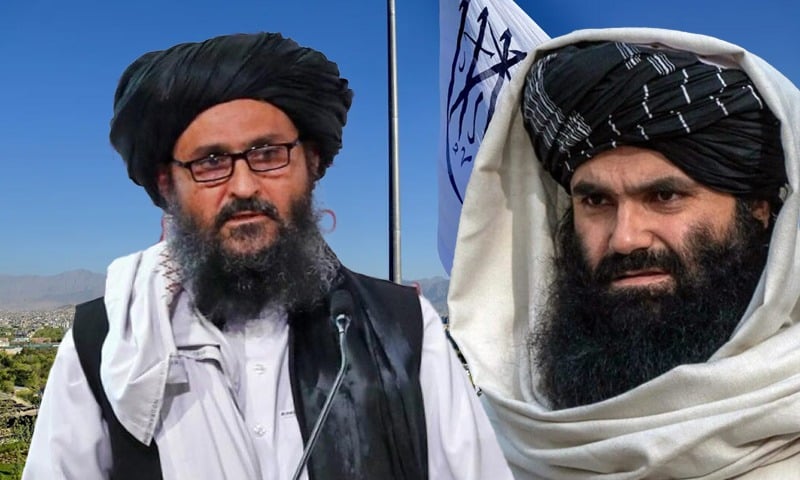
Attention is also drawn to internal dynamics within the Afghan Taliban. The analyst claims growing rifts, referencing reported tensions involving Sirajuddin Haqqani, Mullah Yaqoob and Mullah Hibatullah. Discontent over centralized appointments and governance style is described as a potential fault line within the regime.
Reports of civilian reactions inside Afghanistan, including slogans allegedly raised after bombardments in northern areas, are cited as indicators of internal strain. The Taliban administration, the analyst argues, may face mounting domestic and international pressure.
A Russian Foreign Ministry assessment estimating between 20,000 and 23,000 militants operating in Afghanistan is presented as significant corroboration. Comparable figures are attributed to UN reporting and Taliban Monitoring Committee assessments. The TTP is described as the largest grouping, with estimates ranging between 5,000 and 8,000 fighters. Al Qaeda, ISKP under Sanaullah Ghafari, ETIM linked Uighur militants, Uzbek groups and Ansarullah elements are also cited with varying numerical estimates.
The broader argument is that Afghanistan’s current administration is noninclusive, with limited ethnic representation and increasing centralization of authority. This, according to the analysis, compounds instability and weakens internal cohesion.
On the question of retaliation, the speaker suggests that militant strategy may prioritize soft civilian targets over direct border confrontation. Heightened alerts in Karachi, Islamabad and Peshawar are framed as precautionary responses to threats against markets, mosques and public gatherings during Ramadan.
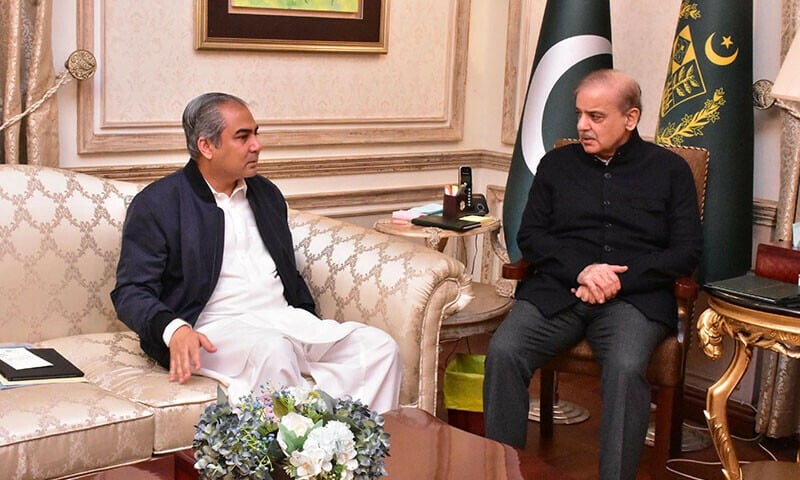
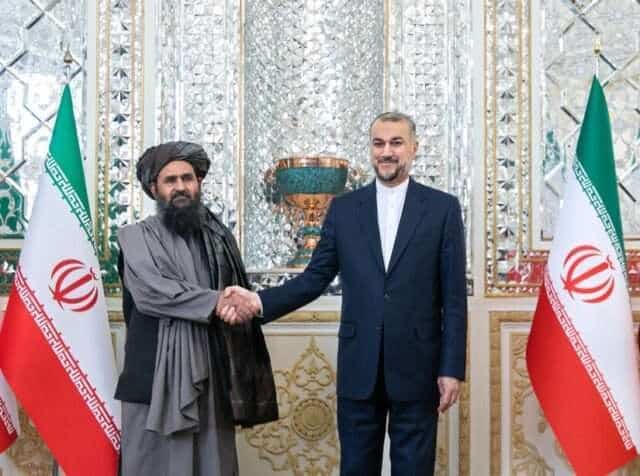
Diplomatically, recent engagements in Qatar are interpreted as a signal that Pakistan intends to address Afghanistan related security concerns more assertively while seeking defense cooperation. The analyst calls for greater regional coordination involving Russia, China, Central Asian republics and Gulf states to pressure Kabul into dismantling militant infrastructure.
War, it is argued, should remain the last option. Regional diplomacy, combined with kinetic counterterror operations, is presented as the preferred path. The analyst urges clearer positioning from the United States and criticizes what is described as a dual policy toward Pakistan’s security concerns.
The role of international media and rights organizations is also questioned, with claims that civilian casualty narratives are amplified while Pakistan’s own losses, including tens of thousands of victims over two decades, receive limited scrutiny.
In conclusion, the analysis frames the current phase as a hybrid conflict combining kinetic operations, diplomatic maneuvering and information warfare. Pakistan, it argues, must strengthen not only its military posture but also its international media outreach and strategic communications capacity to counter what it views as coordinated propaganda.
The future trajectory will likely depend on whether cross border facilitation of militant groups diminishes or persists. Restraint, the analyst concludes, remains possible, but only if security assurances are matched by verifiable action on the ground.