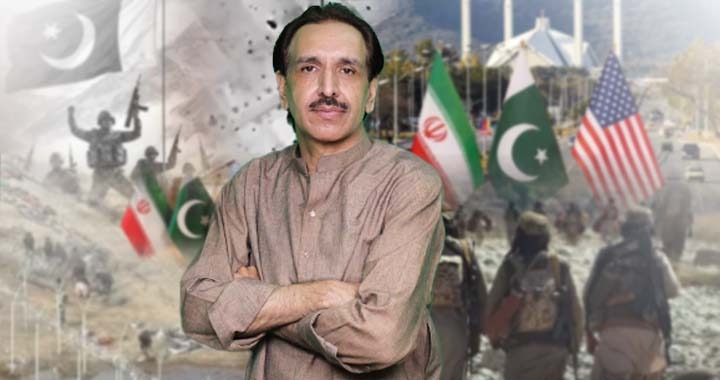
Lakki Marwat to Urumqi, Kabul to Islamabad, the chessboard of regional security rarely moves with a single meeting, and certainly not with one held far from the centers of power.
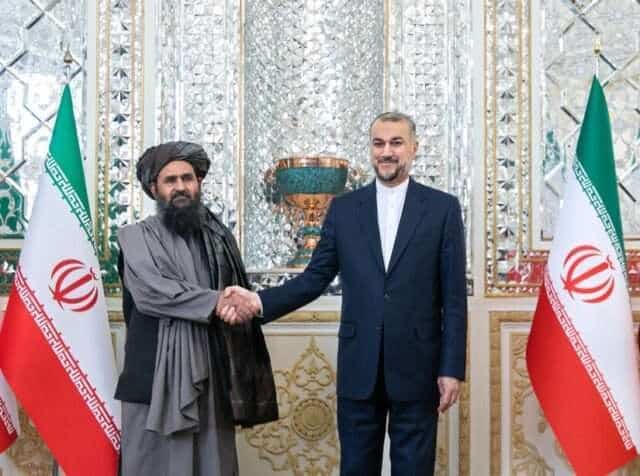
The recent round of talks in Urumqi between Pakistan and Afghanistan, facilitated by China, was projected in some quarters as a potential turning point. Yet, a closer look suggests it was little more than a routine diplomatic engagement rather than a decisive breakthrough.
If the stakes were truly as high as suggested, why was the meeting not held in Beijing, the traditional nerve center of Chinese diplomacy? Why were the participants relatively low-profile, reflecting limited mandate rather than high-level decision-making authority?
Diplomatic processes between Pakistan, Afghanistan, and China have long existed through structured channels within their respective foreign ministries. Such engagements, often managed at desk level, are part of a continuing process, not exceptional events. Elevating them into strategic breakthroughs risks misreading both intent and outcome.
No significant announcements emerged from the Urumqi meeting. Apart from brief, expected statements, there was no indication of policy shift, no roadmap, no mechanism for implementation. If anything, the absence of tangible outcomes reinforced the perception that expectations had been overstated.
More critically, Pakistan’s counterterrorism posture remains unchanged. Security policy continues to be anchored in a clear position: unless concrete, verifiable action is taken against terrorist groups operating from Afghan soil, operations will persist.
This is not rhetorical signaling. Recent developments indicate continued pressure along the border, with reports suggesting that certain Afghan positions were vacated following sustained action. Cross-border movement remains tightly monitored, with little indication of normalization beyond the return of Afghan nationals.
The central question is not what was said in Urumqi, but what has changed since. So far, the answer appears to be, very little.
For years, the core issue has remained the presence and activity of terrorist networks, including the banned Tehreek-e-Taliban Pakistan, operating from within Afghanistan. Pakistan’s position has consistently demanded action, not assurances.
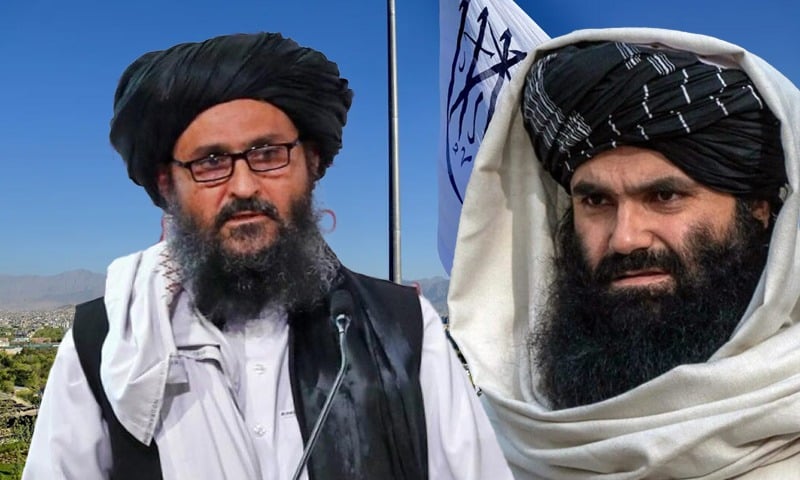
But can the current Afghan setup deliver on this demand? Or does it lack either the willingness or the capacity to act against groups it has longstanding ties with?
History offers a cautionary parallel. In the 1990s, decisions taken under similar pressures led to consequences that reshaped the region. The question now is whether those lessons are being revisited, or repeated.
Compounding this is the broader internal strain within Afghanistan. Reports of financial constraints, reduced external funding, and governance challenges paint a picture far removed from the narrative of stability. The situation is further complicated by the influx of returning migrants, placing additional pressure on already stretched resources.
Meanwhile, regional stakeholders, including China, Qatar, Turkey, and the UAE, have vested interests in stability, largely driven by economic and strategic considerations. Their engagement is shaped less by political alignment and more by the need to safeguard ongoing and future projects.
Pakistan, for its part, appears to be calibrating its focus. With an active diplomatic role in the Middle East, the ongoing historic US-Iran talks in Islamabad, and evolving global alignments, its immediate priorities may not center on resetting ties with Kabul, especially in the absence of tangible progress on security concerns.
In that context, the Urumqi talks look less like a breakthrough and more like a pause, a procedural checkpoint in a much longer and unresolved trajectory.
Until actions replace assurances, and commitments translate into verifiable outcomes, the gap between dialogue and reality is likely to persist.