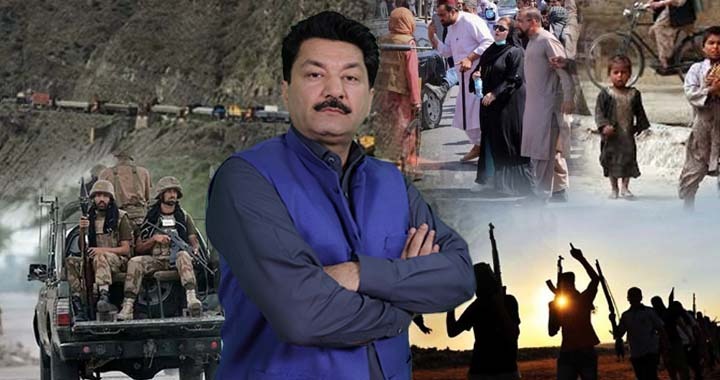
The security situation in Khyber Pakhtunkhwa, militancy, reached a point where no single day passes without tragic news from one district or another. Attacks, targeted killings, armed clashes and bombings have become a grim routine, particularly in the southern belt of the province. From Lakki Marwat to Dera Ismail Khan, from Bannu to North and South Waziristan, and from Kohat to Orakzai and Kurram, violence has entrenched itself as a daily reality rather than an exception.
Recent incidents underline the severity of the situation. Police vehicles have been targeted by improvised explosive devices, exchanges of fire continue to claim lives, and militants are repeatedly neutralized — only for fresh attacks to follow elsewhere. In Orakzai, multiple militants were killed, including figures known locally. In Kurram, similar incidents have been reported. South Waziristan recently witnessed a devastating blast in which a senior religious figure was martyred, an attack later claimed by Daesh Khurasan. These developments show that the threat is no longer limited to one group alone.
Daesh Khurasan, the banned Tehreek-e-Taliban Pakistan, the Hafiz Gul Bahadur group, Ittehad-ul-Mujahideen Pakistan and other militant outfits have all emerged as serious challenges to the security of Khyber Pakhtunkhwa. Their presence and activities have not only destabilized the province but have also created a persistent atmosphere of fear among civilians, law enforcement personnel and religious scholars alike, who continue to be targeted.
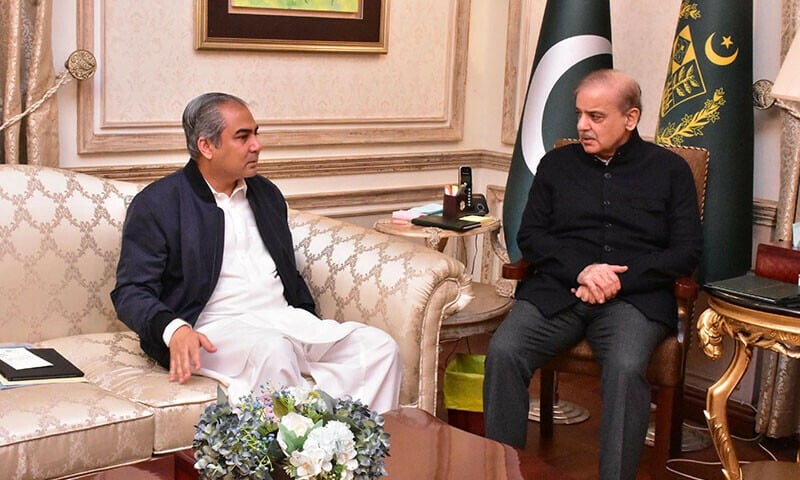
Despite the scale and frequency of these incidents, there is a glaring absence of clarity on how this crisis is to be addressed. One of the most troubling aspects is the visible disconnect between the federal government and the provincial government of Khyber Pakhtunkhwa. Instead of presenting a unified front, tensions and disagreements have become apparent, even though terrorism is fundamentally a national issue that demands collective resolve.
If terrorism were genuinely recognized as a shared national threat, it would naturally lead to dialogue, consensus and a clear line of action. Whether the response involves negotiations, the use of force, or a combination of both, progress is impossible without agreement on fundamentals. What is currently missing is not just policy coherence, but the recognition that ambiguity only strengthens militant groups.
There is no religion or humanity in terrorism. Those who perpetrate such violence do not distinguish between soldiers, police officers, religious scholars or ordinary citizens. All are targeted alike, all are victims. The repeated claim that militant violence is a form of “jihad” collapses under the weight of reality: those being killed are Muslims, and the victims include men, women and children.
Religious scholars in Pakistan and Afghanistan have repeatedly expressed concern over the armed struggle unfolding in the region, warning that it is harmful not only to Pakistan but to Afghanistan as well. The deterioration of relations between the two neighboring countries has largely been driven by the activities of armed groups operating across borders. If Pakistan and Afghanistan drift further apart or begin to treat each other as adversaries, the situation will inevitably benefit third-party actors waiting to exploit regional instability.
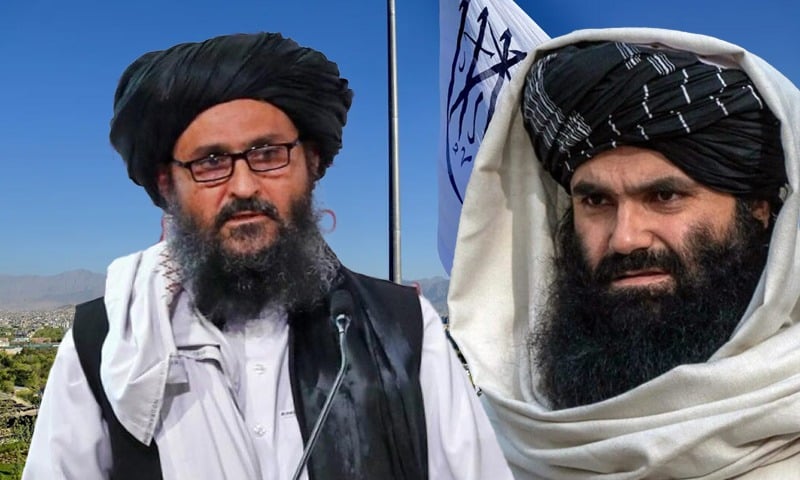
The proximity between the Afghan Taliban and hostile external actors has raised serious concerns. Pakistan and Afghanistan share geography, history and fate; they cannot simply detach from one another. If solutions to these problems exist in Kabul — among Afghan religious scholars or with the Taliban leadership — the question remains: why are they not being implemented?
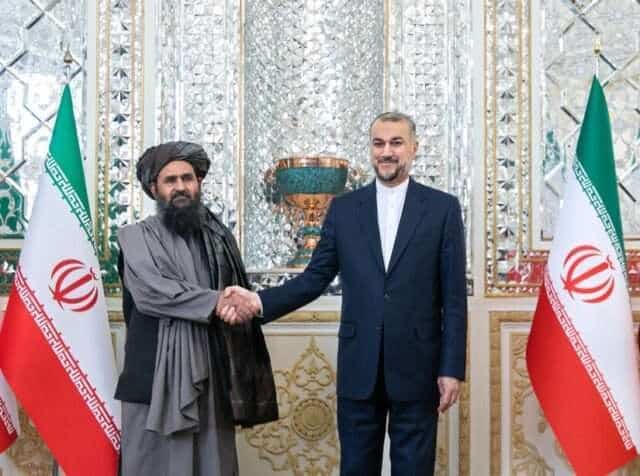
At the same time, Pakistan cannot remain unaffected by the deepening crisis in Iran. The ongoing unrest there has entered a dangerous phase, marked by violent protests, casualties and sweeping restrictions on communication. Claims by Iranian authorities that the situation is under control are contradicted by reports of deaths, including among security personnel, and widespread demonstrations across dozens of cities.
For Pakistan, the prospect of regime change in Iran is not a distant concern but a direct strategic threat. A hostile or externally aligned government in Tehran would bring adversarial forces uncomfortably close to Pakistan’s borders, particularly along Balochistan and Iran’s Sistan-Balochistan region. Any instability there risks spillover effects, whether in the form of security challenges or humanitarian pressures.
Pakistan’s diplomatic posture in recent regional crises — particularly its stance during Israeli actions against Iran — has reinforced the importance of balanced diplomacy. Pakistan has sought to maintain constructive relations with Iran, the United States, China and Saudi Arabia simultaneously, a complex but necessary balancing act given its geography and strategic interests.
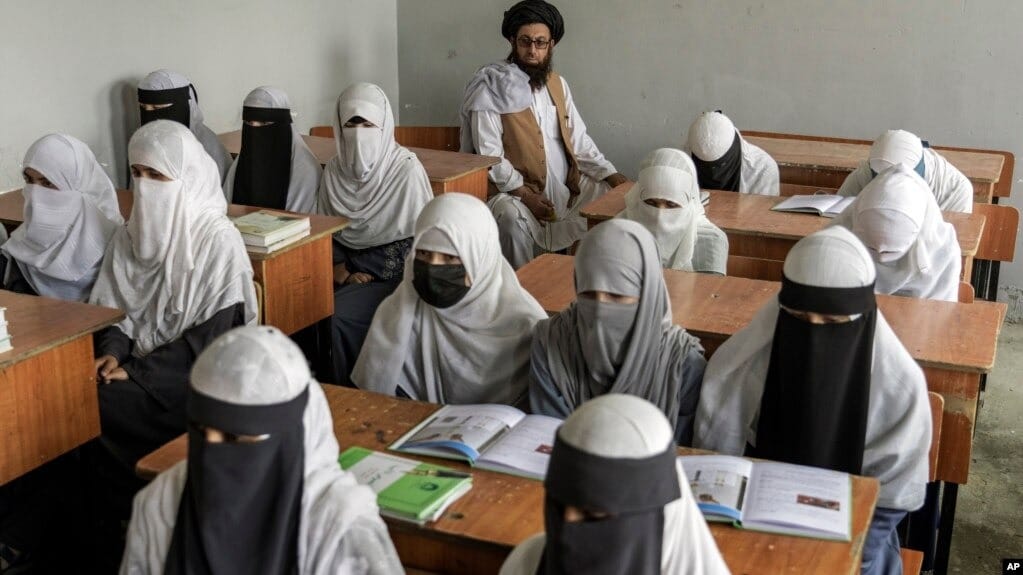
Beyond geopolitics, Afghanistan itself is facing a profound humanitarian and social crisis. Women and children are bearing the brunt of economic collapse, unemployment and hunger. Millions of Afghan refugees have returned from Pakistan, Iran and other countries over the past few years, placing immense strain on Afghanistan’s already fragile economy. Many returnees remain unemployed, displaced and without basic means of survival.
Reports of families being forced into desperate measures underscore the gravity of the situation. Despite Taliban claims of improved governance and international engagement, the realities on the ground suggest otherwise. Camps at border areas offer only temporary relief; long-term reintegration into villages and tribal areas remains fraught with disputes over land, housing and resources.
The Afghan Taliban are no longer merely an armed group; they claim to be a governing authority. With that claim comes responsibility — toward their own people and toward neighboring states. International isolation, limited recognition and strained relations with neighbors are not abstract diplomatic problems; they translate directly into suffering for ordinary Afghans.
In a globalized world, no country can function in isolation. For Afghanistan, the confidence and trust of neighboring countries are crucial. The international community will judge Taliban governance not only by internal policies, but also by how Afghanistan engages with Pakistan, Iran, China and Central Asian states. Without addressing their concerns, ensuring security cooperation and demonstrating responsible governance, the Taliban risk deepening Afghanistan’s isolation.
Ultimately, the satisfaction and confidence of neighboring countries are not optional — they are essential for Afghanistan’s stability, regional peace and the future of millions of people on both sides of its borders.