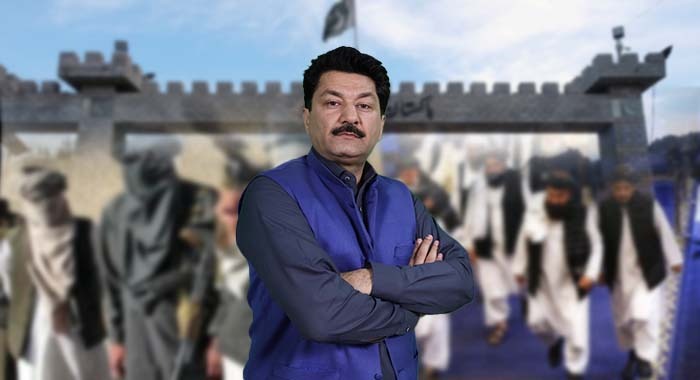
(Fida Adeel)
For more than two months, the Pak-Afghan border has remained largely shut, freezing trade, suspending Afghan transit commerce through Pakistan, and deepening mistrust between two neighbours that geography has permanently tied together. This prolonged closure is not merely a diplomatic signal; it is a strategic stress test for both states, one that exposes economic vulnerabilities, security contradictions, and the limits of rhetoric without action.
Afghanistan, as a landlocked country, depends heavily on access to Pakistani ports, particularly Karachi and Port Qasim. Cutting off this lifeline is neither in the interest of Kabul nor of ordinary Afghans. Afghan traders know this well. Alternative routes are costlier, slower, and logistically complex. That is why, despite political posturing and talk of “other options,” Afghan business circles have been among the loudest voices opposing prolonged disruption with Pakistan. The recent spate of Afghan ministerial visits to India and symbolic diversification efforts have not altered this basic economic reality.
Yet economics alone does not explain the current stalemate. The real fault line lies in security, specifically Pakistan’s longstanding concern that Afghan soil is being used by militant groups to launch attacks across the border. Islamabad’s demand has been consistent and clear: verifiable, written assurances that Afghan territory will not be used against Pakistan, coupled with concrete action against groups such as the TTP and its affiliates. Kabul’s response, so far, has largely been verbal statements, reassurances, and declarations of intent.
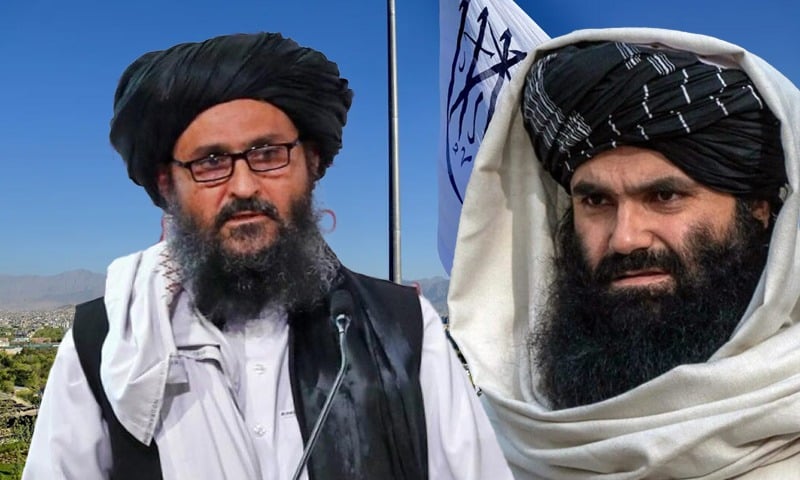
In this context, the recent gathering of more than a thousand Afghan religious scholars in Kabul was a significant, though incomplete, development. Their collective resolution—declaring that fighting outside Afghanistan is not jihad—was an unmistakable signal to militant elements operating from Afghan territory. Pakistan was not named, but the implication was obvious. This was not a spontaneous clerical exercise; it took place under the supervision of the Afghan Taliban leadership, including figures whose influence within the system cannot be ignored. For Islamabad, this amounted to a welcome change in tone, a rare moment of ideological alignment against cross-border militancy.
However, tone is not policy. Pakistan’s core question remains unanswered: why not formalise these assurances in writing, as envisaged under the Doha framework? The hesitation is rooted in history. Afghan Taliban factions and Pakistani militant groups share a long record of battlefield cooperation dating back to the fight against NATO forces. Untangling these relationships is politically and operationally difficult for Kabul. Within the Afghan Taliban, there are clearly competing impulses—some favour normalisation with Pakistan and a harder line against transnational militancy, while others resist moves that could fracture old alliances.
Despite public tensions, backchannel diplomacy is very much alive. Quiet contacts continue, harsh language is being consciously avoided, and a fragile ceasefire along the border has largely held, despite isolated incidents. Traders on both sides are pressing for reopening, and influential voices within Afghanistan recognise that sustained hostility with Pakistan only deepens Afghan isolation. In this sense, the recent exchange of conciliatory statements should be read not as goodwill gestures alone, but as signals of strategic fatigue.
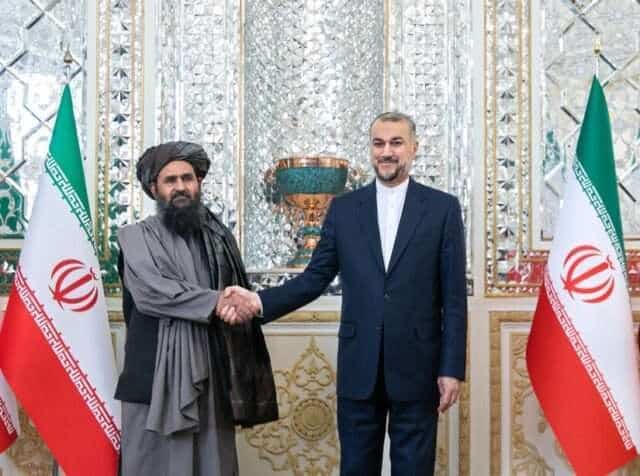
Parallel to this, Pakistan’s regional diplomacy is expanding. The third meeting of the Pakistan-Iran High Border Commission in Tehran underscored a broader truth: border management today is about far more than fences and checkpoints. It encompasses security, smuggling, illegal migration, and trade regulation. Iran and Pakistan have acknowledged that border security is a shared responsibility, not a unilateral burden. This principle applies just as forcefully to the Pak-Afghan frontier, which stretches over 2,600 kilometres and remains extremely difficult to police without genuine cooperation.
While diplomacy grinds on, the human cost of militancy is becoming unbearable in Khyber Pakhtunkhwa. In districts such as Bannu, Lakki Marwat, Bajaur, and parts of North Waziristan, local communities have begun to retaliate against militant attacks themselves. The re-emergence of peace committees and armed civilian resistance is a dangerous but telling indicator: people are exhausted. When clashes spill into markets and residential streets, when wounded civilians cannot even be moved to hospitals, the social contract collapses.
Militant groups must confront an uncomfortable reality. They face not only the state—police, CTD, and security forces—but increasingly the communities they claim to represent. A few dozen or even a few hundred fighters cannot impose control where the population is openly hostile. Agreements such as the one in Tirah, involving evacuation timelines, compensation packages, and eventual return, reflect a grim consensus: people would rather leave their homes temporarily than live under perpetual fear.
This also exposes contradictions in provincial politics. Public denials of operations coexist with on-ground agreements, compensation frameworks, and managed displacements. Such ambiguity erodes trust. If communities are prepared to make sacrifices for peace, governments owe them honesty, transparency, and consistency.
Pakistan and Afghanistan ultimately cannot escape each other. Geography is immutable. Prolonged border closures, symbolic statements, and strategic ambiguity only create space for spoilers—militant groups and third-party actors who benefit from instability. What is needed now is movement beyond declarations: written commitments, joint mechanisms, intelligence cooperation, and visible action against cross-border militancy.
Positive signals are emerging, and there is reason for cautious optimism. But peace at the border, and stability in Khyber Pakhtunkhwa, will not be secured by words alone. It will require difficult decisions, political courage, and the recognition that strategic drift is a luxury neither side can afford.