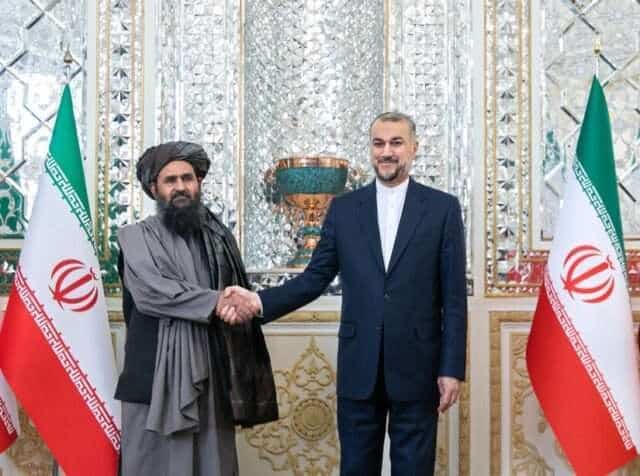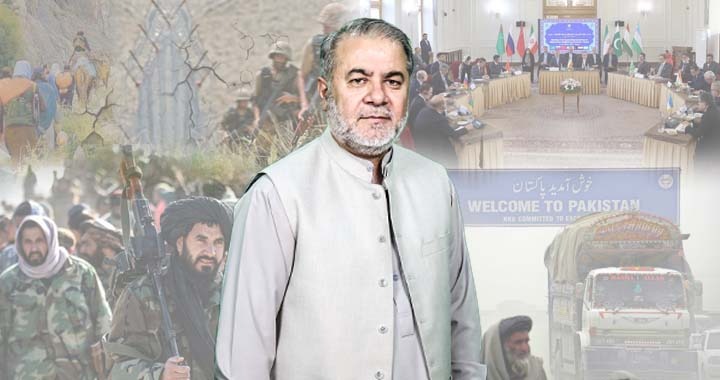
The recent regional dialogue on Afghanistan reflects both the fragility of security and the complexities of political engagement. A notable development occurred with a meeting hosted in Iran, which the Islamic Emirate did not attend. This absence drew tension from key regional players, including Pakistan, Russia, and China, underscoring the delicate trust deficit in regional diplomacy.
Pakistan and Afghanistan have previously engaged in multiple dialogue rounds in Doha and Istanbul. While these talks aimed at reconciliation and cooperation, they often concluded without substantive outcomes. Iran offered to host future talks between Pakistan and Afghanistan, but the opportunity did not materialise, partially due to Saudi Arabia’s concurrent diplomatic engagement. This scenario illustrates that successful conferences depend not only on hosting capabilities but also on the trust and willingness of the parties involved.
Iran has benefited economically and politically from close relations with Afghanistan, especially after the closure of Pakistan-Afghanistan borders redirected trade routes through Iranian territory. The absence of Afghan participation in Iran-hosted initiatives remains surprising, given the country’s vested interests and contributions to regional stability. Russia, China, and other neighbouring states emphasise that Afghanistan’s instability has direct consequences for regional security, making inclusive dialogue indispensable.
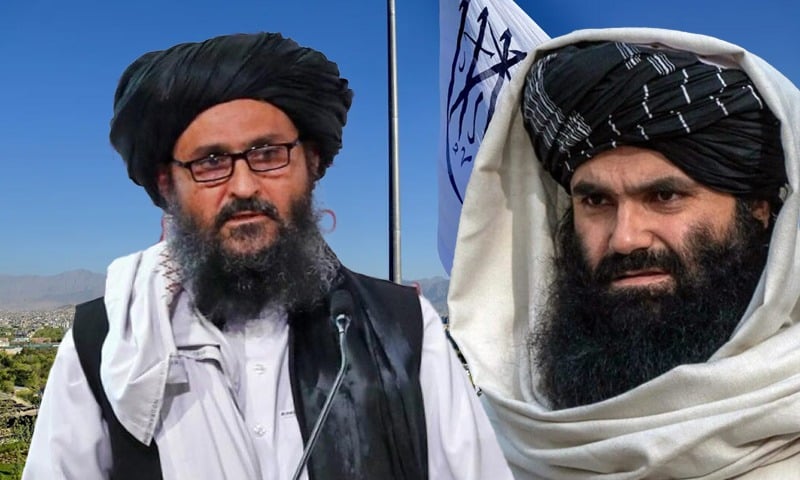
Previous discussions in Qatar and Turkey were limited to dialogue, emphasising the importance of communication rather than immediate results. Multi-country participation, it is argued, increases the likelihood of achieving actionable outcomes, though expectations of all parties vary. Qatar, in particular, has played a significant role, offering leadership support and serving as a political hub for Afghan affairs, while Saudi Arabia has maintained a neutral stance. This nuanced engagement has fostered cautious optimism among Afghan Taliban leaders about potential improvements in the region.
A key point of concern remains cross-border militancy. Pakistan has repeatedly underscored that Afghan Taliban must ensure that Pakistani Taliban and other armed actors do not operate from Afghan territory. Recent communications suggest that the Afghan government has committed to either removing militants or guaranteeing non-interference, reflecting progress on a sensitive issue that has long strained bilateral relations.
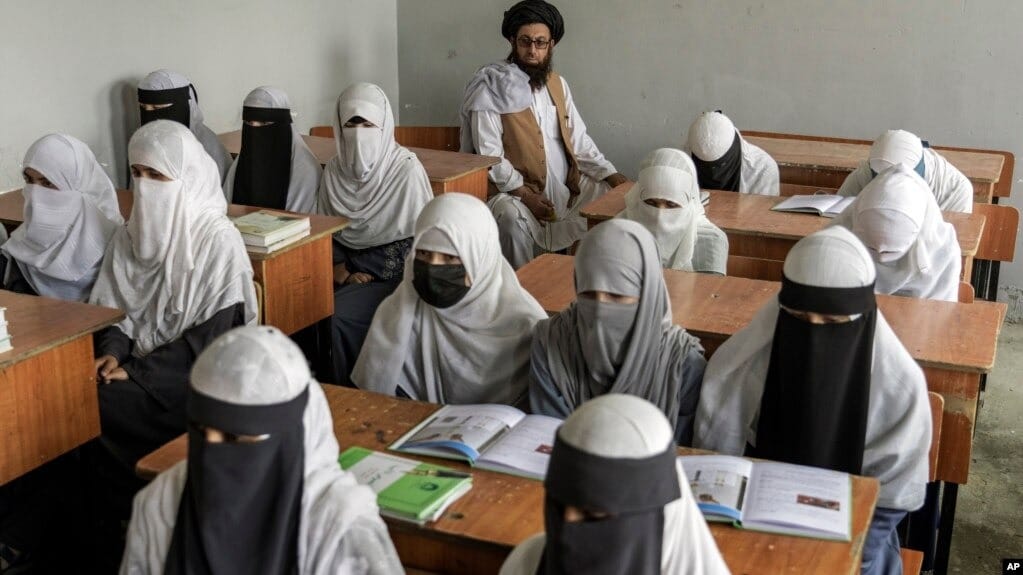
Domestically, Afghanistan’s governance under the Islamic Emirate has faced criticism over the past 13 years. Despite claims of stability, there has been minimal development in public infrastructure such as universities, hospitals, or citizen-focused projects. A significant gathering of Afghan Ulema at Kabul University, including the participation of Foreign Minister Maulvi Amir Khan Muttaki, highlighted the role of religious scholars in governance in the absence of a formal parliamentary structure. They discussed five critical issues, including the prohibition of Afghan citizens’ participation in foreign military operations and ensuring Afghan territory is not used against other countries. These discussions appear aligned with previous dialogue outcomes and indicate cautious steps toward regional confidence-building.
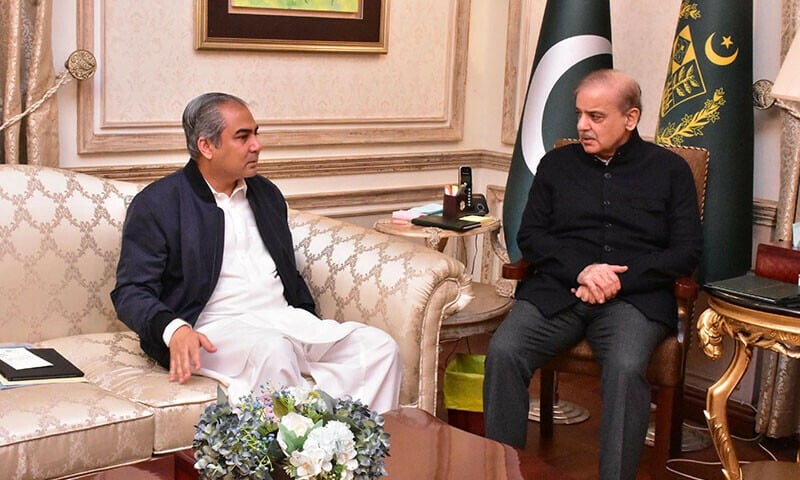
Turning to Pakistan, domestic governance, particularly in Khyber Pakhtunkhwa, remains a critical concern. Over the past 13 years, successive governments, including Tahreek-e-Insaf, have struggled to deliver tangible progress in health, education, and development. While previous administrations, such as the coalition government led by Pervez Khattak, were criticised for inefficiency, current leaders show energy and ambition, surrounded by capable and astute associates. Nevertheless, federal inaction and political interference continue to impede effective governance.
Allegations of mismanagement—ranging from questionable appointments in universities to the misallocation of police resources—have fuelled public discontent. Controversies over bulletproof vehicles for police, and broader perceptions that law enforcement is politically undermined, reflect a deep politicisation of public institutions. Observers note that a stronger partnership between provincial and federal authorities could improve service delivery, enhance security, and rebuild public trust.
Despite these challenges, there is cautious optimism. The current provincial leadership exhibits initiative and dynamism, seeking to serve citizens while navigating complex political pressures. The broader lesson remains that sustainable governance requires separating politics from administrative responsibilities, ensuring merit-based decision-making, and prioritising public welfare.
The discussion of Afghanistan, regional diplomacy, and domestic governance in Pakistan, particularly Khyber Pakhtunkhwa, illustrates how intertwined security, development, and political accountability are. Stability in Afghanistan cannot be achieved in isolation, and effective provincial governance in Pakistan is equally essential to complement regional efforts. The combined emphasis on dialogue, responsible leadership, and citizen-focused governance offers the clearest path forward for both countries and the broader neighbourhood.