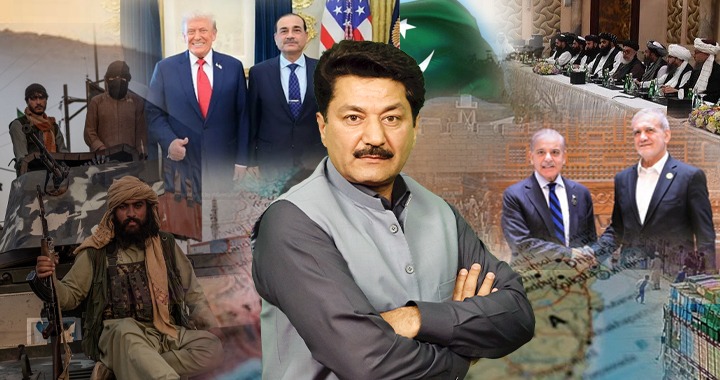
Pakistan’s strategic significance has increasingly drawn global attention, especially in the context of possible Iran-US negotiations. Islamabad’s role is pivotal, not only as a host for diplomatic dialogue but also as a balancing actor among multiple powers with competing interests. The discussions between Iran and the United States, reportedly taking place in Pakistan’s capital, highlight Islamabad’s ability to position itself as a reliable intermediary amid complex geopolitical tensions. This role underscores both Pakistan’s geographical importance and the careful calibration of its foreign policy in high-stakes scenarios.
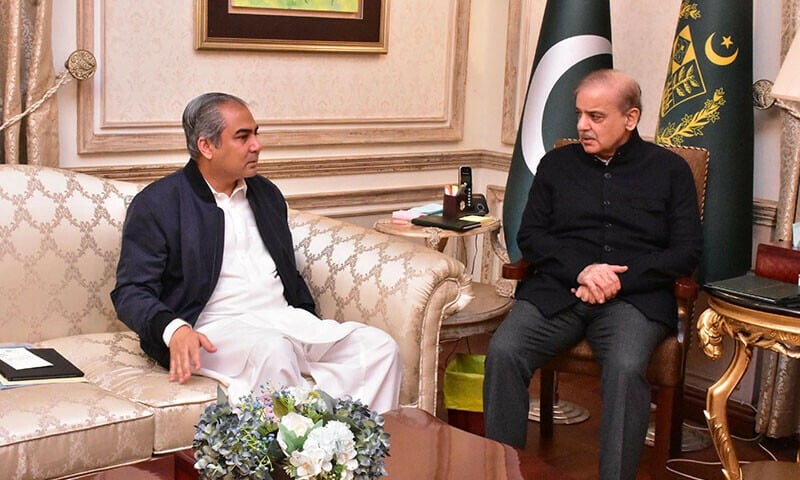
Recent developments confirm Pakistan’s proactive engagement. Field Marshal Asim Munir’s communications with US leadership, Prime Minister Shehbaz Sharif’s discussions with Iran’s leadership, and active diplomatic outreach by Finance Minister Ishaq Dar to regional partners like Egypt, Turkey, and Iran demonstrate Islamabad’s multi-layered approach. Pakistan’s capacity to maintain balanced relations with Saudi Arabia, Qatar, UAE, China, and the United States is proving crucial. This network of diplomatic and defense ties has enabled Pakistan to navigate tense moments, including last year’s conflict in Iran, while projecting strategic stability and credibility.
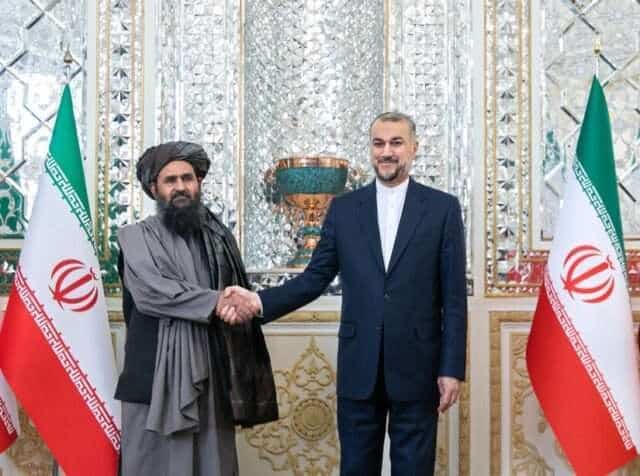
The Iran-US talks reflect Pakistan’s careful leveraging of its geopolitical positioning. Situated at the crossroads of India, China, Afghanistan, and Iran, the country has repeatedly illustrated the value of its location and diplomatic channels. Pakistan’s measured response during crises — condemning attacks while maintaining neutrality — has allowed it to retain the trust of multiple actors. This credibility makes Islamabad a potential venue for high-stakes negotiations, presenting Pakistan as a reliable third-party facilitator capable of balancing divergent regional interests.
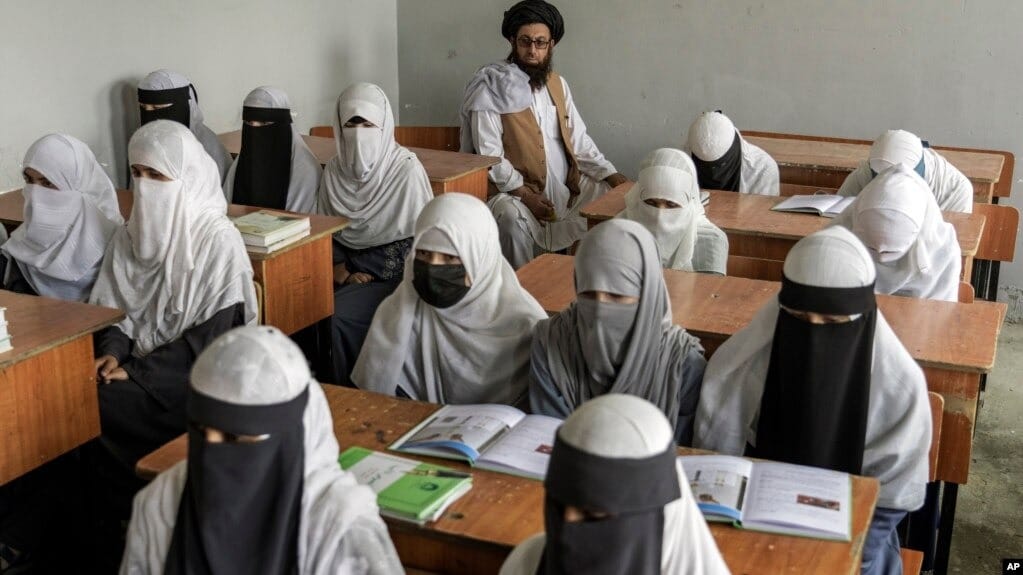
Turning to Afghanistan, recent collaborative initiatives between Pakistani and Afghan scholars signal a constructive path forward. A joint press release by 22 scholars — 11 from Pakistan and 11 from Afghanistan — recommended extending the Eid-ul-Fitr ceasefire until Eid-ul-Adha. This reflects efforts to facilitate civilian movement, uphold religious obligations, and foster a framework for sustained dialogue. Pakistan has conditioned ongoing engagement on preventing attacks originating from Afghan soil, emphasizing accountability alongside cooperation. The opening of the Torkham border for returning Afghan nationals demonstrates practical implementation of these measures, balancing humanitarian considerations with national security imperatives.
These developments suggest that Pakistan’s diplomatic and security strategies are mutually reinforcing. By fostering dialogue, supporting ceasefire frameworks, and maintaining strategic neutrality in conflicts like the Iran-US confrontation, Pakistan continues to consolidate its regional role. The lessons from recent crises — embassy successes, defense coordination with Saudi Arabia, and multi-lateral outreach — underscore the importance of measured diplomacy in achieving both national and regional stability.
Ultimately, Pakistan’s effectiveness in navigating these complex geopolitical scenarios will shape not only its future but also the broader stability of Afghanistan and the region. Sustained engagement, adherence to international norms, and strategic foresight remain central to ensuring peace and security, and Pakistan’s ongoing role illustrates the potential for a nation to influence high-stakes diplomacy without direct confrontation.