The recent attack on the Shia community in Herat is not just another tragic incident; it is a reflection of a deeper and far more troubling reality. Under Taliban rule, minorities in Afghanistan continue to live under constant threat, with little protection and even less accountability for those responsible for violence against them.
The killing of innocent civilians, including women and children, has once again exposed the failure of the Taliban to provide even the most basic security to vulnerable communities. This is not an isolated breakdown. It is part of a consistent pattern that has defined Afghanistan since the Taliban’s return to power.
What makes this moment different, however, is the response from within Afghanistan itself. For the first time in years, people in Herat have taken to the streets in significant numbers, openly protesting against Taliban rule. This public display of anger signals a shift. Fear, which once kept dissent buried, is beginning to lose its grip.
This growing resistance is rooted in accumulated grievances. The Taliban have not built an inclusive system of governance. Instead, they have imposed a rigid structure that excludes large segments of society. There is no meaningful political participation, no representation of diverse communities, and no protection of minority rights. Power remains concentrated, and accountability remains absent.
At the same time, the situation is becoming increasingly complicated beyond Afghanistan’s borders. Tensions with Pakistan have intensified, largely due to the continued presence of terrorist groups operating from Afghan territory. Among them, the banned Tehreek-e-Taliban Pakistan continues to pose a direct threat, carrying out attacks and attempting infiltration into Pakistani territory.
Despite repeated diplomatic engagement and the presentation of evidence, the Taliban have failed to take decisive action against these groups. This failure raises serious questions about intent. Whether through inability or unwillingness, the result remains the same, Afghan soil continues to be used for activities that destabilize the region.
Recent developments along the border further highlight this concern. Infiltration attempts have been repeatedly foiled by Pakistani security forces. Yet, these failures are often followed by reckless responses that result in civilian casualties. The loss of innocent lives, including children, underscores the human cost of this ongoing instability.
There are also increasing indications of coordination between the Taliban and various terrorist networks. Reports of cross-border movement, operational support, and evolving tactics suggest that these groups are not operating in isolation. This environment allows them to regroup, reorganize, and sustain their activities despite counterterror efforts.
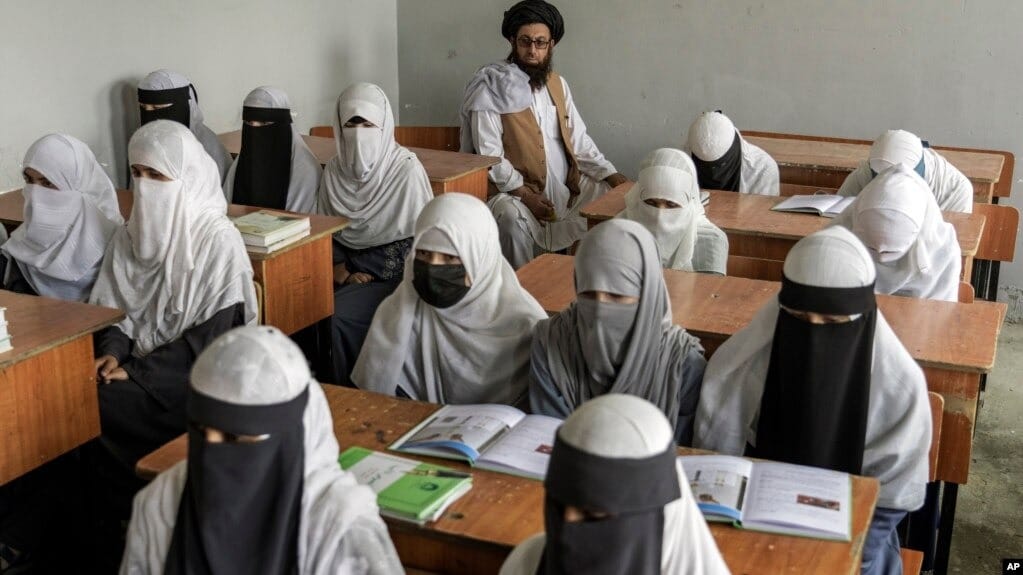
Internally, the Taliban are facing mounting pressure. Economic hardship, lack of employment, and restrictions on basic freedoms have created widespread dissatisfaction. The continued ban on girls’ education and the absence of social and political freedoms have only deepened the divide between the rulers and the population.
Resistance is no longer limited to isolated voices. It is gradually taking shape across different regions, supported by growing frustration among ordinary Afghans. This internal strain is further compounded by the Taliban’s inability to manage external relations effectively, particularly with neighboring countries directly affected by security spillovers.
The recent attack on the Shia community in Herat is not just another tragic incident; it is a reflection of a deeper and far more troubling reality. Under Taliban rule, minorities in Afghanistan continue to live under constant threat, with little protection and even less accountability for those responsible for violence against them.
The killing of innocent civilians, including women and children, has once again exposed the failure of the Taliban to provide even the most basic security to vulnerable communities. This is not an isolated breakdown. It is part of a consistent pattern that has defined Afghanistan since the Taliban’s return to power.
What makes this moment different, however, is the response from within Afghanistan itself. For the first time in years, people in Herat have taken to the streets in significant numbers, openly protesting against Taliban rule. This public display of anger signals a shift. Fear, which once kept dissent buried, is beginning to lose its grip.
This growing resistance is rooted in accumulated grievances. The Taliban have not built an inclusive system of governance. Instead, they have imposed a rigid structure that excludes large segments of society. There is no meaningful political participation, no representation of diverse communities, and no protection of minority rights. Power remains concentrated, and accountability remains absent.
At the same time, the situation is becoming increasingly complicated beyond Afghanistan’s borders. Tensions with Pakistan have intensified, largely due to the continued presence of terrorist groups operating from Afghan territory. Among them, the banned Tehreek-e-Taliban Pakistan continues to pose a direct threat, carrying out attacks and attempting infiltration into Pakistani territory.
Despite repeated diplomatic engagement and the presentation of evidence, the Taliban have failed to take decisive action against these groups. This failure raises serious questions about intent. Whether through inability or unwillingness, the result remains the same, Afghan soil continues to be used for activities that destabilize the region.
Recent developments along the border further highlight this concern. Infiltration attempts have been repeatedly foiled by Pakistani security forces. Yet, these failures are often followed by reckless responses that result in civilian casualties. The loss of innocent lives, including children, underscores the human cost of this ongoing instability.
There are also increasing indications of coordination between the Taliban and various terrorist networks. Reports of cross-border movement, operational support, and evolving tactics suggest that these groups are not operating in isolation. This environment allows them to regroup, reorganize, and sustain their activities despite counterterror efforts.
Internally, the Taliban are facing mounting pressure. Economic hardship, lack of employment, and restrictions on basic freedoms have created widespread dissatisfaction. The continued ban on girls’ education and the absence of social and political freedoms have only deepened the divide between the rulers and the population.
Resistance is no longer limited to isolated voices. It is gradually taking shape across different regions, supported by growing frustration among ordinary Afghans. This internal strain is further compounded by the Taliban’s inability to manage external relations effectively, particularly with neighboring countries directly affected by security spillovers.
Pakistan, throughout this period, has consistently prioritized diplomacy. Engagement has taken place across multiple platforms and locations, reflecting a clear preference for dialogue over confrontation. However, this approach has limits, especially when core security concerns remain unresolved.
After years of engagement without tangible results, Pakistan has demonstrated that it is capable of taking decisive action when required. This shift has changed the equation. It has made it clear that while dialogue remains the preferred path, it cannot continue without results.
This is where the current phase becomes critical. The Taliban are now showing willingness to return to negotiations, not from a position of strength, but under increasing internal pressure and external constraints.
Pakistan’s position remains clear and unchanged. Afghan soil must not be used by terrorist groups to carry out attacks against Pakistan. Whether through dismantling networks, taking action against militants, or handing over those involved, this is the central condition.
There is no ambiguity in this demand.
The upcoming rounds of talks will not be judged by statements, but by actions. Commitments must be implemented, not just announced.
The reality is straightforward. If the Taliban want engagement, they will have to accept these conditions. There is no other workable path forward.