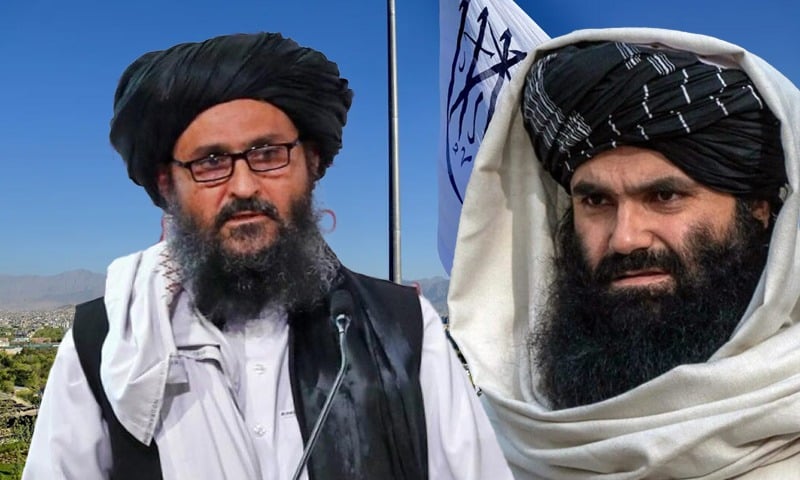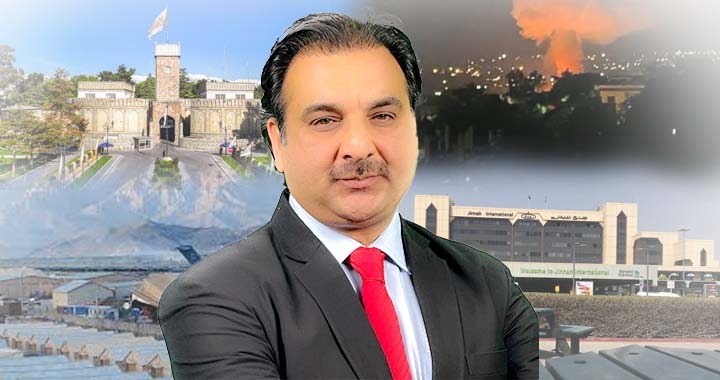
A high-stakes meeting has quietly taken place in Kabul, one that deserves far more scrutiny than it is receiving. According to credible sources, the gathering was held under the leadership of Taliban Defence Minister Mullah Yaqub and brought together the command structures of the banned Tehreek e Taliban Pakistan, TTP, led by Noor Wali Mehsud, Jamaat ul Ahrar associated with Ahmad Umar Khurasani, and the banned Hafiz Gul Bahadur group. The presence of Abdul Haq Wasiq, head of the General Directorate of Intelligence, GDI, is particularly telling.
This was not a routine consultation. When the defence minister of a regime presides over a table that includes the leadership of multiple anti Pakistan militant factions, it signals coordination, not coincidence.
For the past five days, Kabul, Khost, Jalalabad and Spin Boldak have witnessed reported air activity and explosions. Afghan citizens and journalists have spoken of powerful blasts echoing through the night. Yet official statements from Kabul police have maintained that the situation is normal. That divergence between public testimony and official narrative speaks volumes about information control inside Afghanistan.
Afghan journalists are asking a simple question. If, as the Taliban claim, large convoys were dispatched toward Pakistan’s borders in response to recent hostilities, why have they not reached the front lines after five days. Where are these columns. Why has their movement not translated into visible ground reinforcement.
In the digital battlefield, another layer of confusion has been added. AI generated videos have circulated widely, amplified by hostile media ecosystems across the region. Claims surfaced that Mehran Air Base had been struck. Two days earlier, narratives claimed Peshawar and Quetta were on the verge of falling. These announcements evaporated as quickly as they appeared. The purpose is clear. Psychological disruption.
But the more alarming aspect of the Kabul meeting lies elsewhere. According to sources, discussions included potential targets inside Karachi, among them Jinnah International Airport, Mehran Air Base, Faisal Air Base and even an Army Public School near DHA. Sensitive locations in Peshawar were also reportedly mentioned. The operational task, it is said, was initially assigned to a TTP commander based in Kandahar, later discussed in the context of Jamaat ul Ahrar assuming responsibility if trust deficits persisted.
More disturbing still was talk of alternative targeting should high security conditions prevent access to primary objectives. Water reservoirs and oil storage facilities were reportedly mentioned in discussions. Such infrastructure targeting reflects a strategy designed to create panic, economic shock and civilian distress rather than military advantage.
Parallel to this, there are indications that elements within the Taliban are exploring diplomatic backchannels, including outreach toward Turkey, signaling an interest in mediated dialogue. Public posture and private manoeuvring appear to be moving in opposite directions.
On the ground, the numbers tell their own story. Pakistan’s Information Minister Attaullah Tarar has stated that in recent days of operations, more than 500 Afghan Taliban fighters have been killed and over 700 injured. Official briefings indicate that 202 check posts have been destroyed, 33 taken over, and approximately 196 armored vehicles, tanks and military assets neutralized. Pakistani forces are also reported to have consolidated control over a 32 square kilometer enclave near the Zhob sector, reinforcing their forward defensive posture.
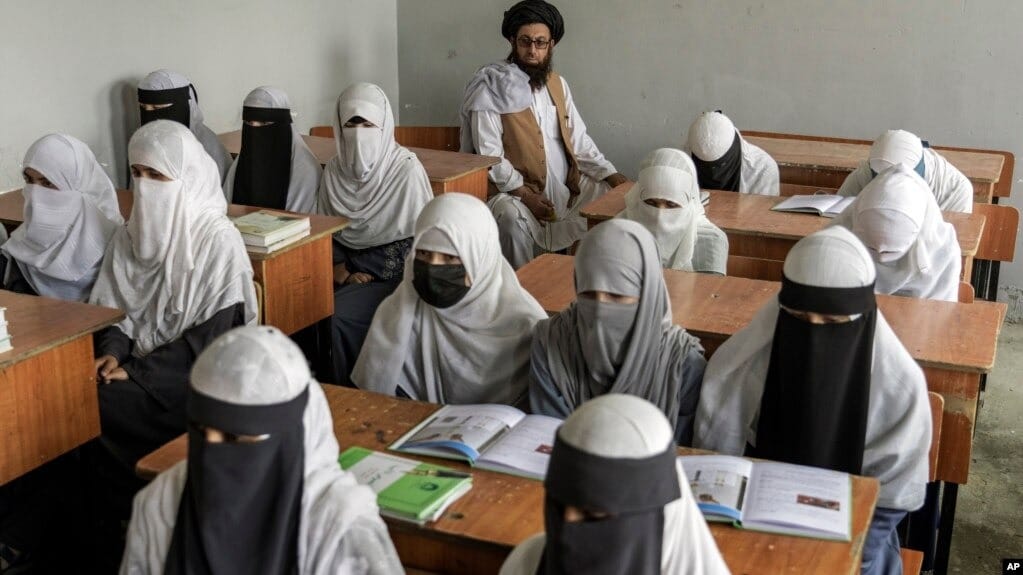
The conflict is no longer confined to remote outposts. In Bajaur, Mohmand and Khyber, more than 100 educational institutions have been closed due to security risks. Drones and quadcopters launched from across the border have fallen into populated areas, including near schools. Yesterday in Mohmand, a drone reportedly crashed within a school compound. The human cost of escalation is not abstract.
The Kabul meeting therefore was not merely about strategy. It was about intent. When militant leadership, intelligence heads and defence officials sit together while cross border hostilities intensify, the message is strategic consolidation.
The central question now is whether this consolidation leads to expanded asymmetric warfare inside Pakistan, or whether mounting battlefield losses and raised white flags along certain frontier sectors force recalibration.
History shows that when narratives are tightly controlled, facts eventually surface elsewhere. The coming days will reveal whether Kabul chooses confrontation, negotiation, or a dual track of both. What is certain is that the theatre has expanded beyond the mountains. It now stretches into cities, air bases, digital platforms and diplomatic corridors.