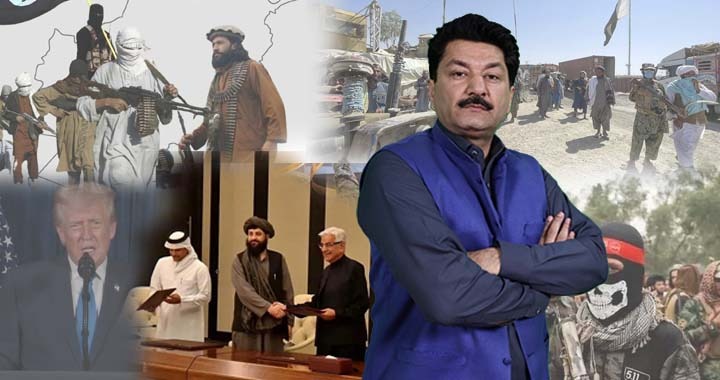
Relations between Pakistan and Afghanistan are at a critical juncture, deteriorating with each passing day. Security challenges are mounting across Pakistan’s northwestern regions, with regular attacks reported in Bannu, Tirah, North Waziristan, and the former merged districts. These attacks, targeting Pakistan’s security forces, underscore a pressing reality: extremist groups, including Daesh Khurasan, the Tehreek-e-Taliban Pakistan (TTP), and the Balochistan Liberation Army (BLA), are increasingly using Afghan soil to plan and execute terror operations inside Pakistan.
The capability of these groups cannot be viewed in isolation. No militant outfit can attain such operational strength without external support, whether in the form of finances, weapons, recruitment, or safe havens. Despite formal border closures, militants have repeatedly infiltrated Pakistan in organised formations, highlighting the porous nature of the Afghan-Pakistan boundary and the challenges inherent in border management.
The threat posed by Daesh Khurasan is particularly complex. The group is not only a challenge for Pakistan but also a significant headache for the Afghan Taliban, against whom it has frequently conducted attacks. Incidents such as the targeted killings in Bajaur and multiple suicide attacks in Peshawar illustrate how Afghan-based extremist networks are actively striking across borders. While Pakistan has established this fact, with evidence, that Afghanistan is harbouring training camps for these groups, the Afghan Taliban, in turn, allege that certain militant activities originate from within Pakistan. Resolving these disputes demands joint cooperation and transparent verification mechanisms, a task that has eluded diplomatic efforts from Qatar, Turkey, and Saudi Arabia.
The Jaffar Express hijacking offers a stark illustration of the sophistication and transnational reach of these networks. Investigations revealed that attackers were in direct contact with handlers based in Afghanistan, operating through modern technologies and proxy networks. Reports from the United Nations, European Union, and even Russia indicate that Afghanistan hosts tens of thousands of militants, which is not merely a Pakistan-specific concern. Neighbouring states including Iran, China, and Tajikistan, alongside the international community, share the same security apprehensions.
Compounding the issue is the misuse of national identities. Individuals such as Luqman Khan, Rehmanullah Laqanwal, and Akhtar Muhammad Mansoor—members of the Afghan National Army—have been discovered using fabricated Pakistani identities while conducting or supporting militant operations. These cases not only challenge the credibility of Afghan security structures but also expose how extremists exploit administrative loopholes to evade accountability. While these are individual cases, they generate significant diplomatic friction and contribute to the defamation of entire nations.
The paradox of foreign aid adds another layer of complexity. Despite labelling Afghanistan as a “hell on earth,” the United States has continued to provide substantial financial support, amounting to $45 million. This raises fundamental questions about accountability and the actual utilisation of these funds. Similar concerns were raised about UAE contributions intended for relocating Pakistani militants within Afghanistan—plans that were reportedly sabotaged due to lack of oversight. Without an established system of governance and accountability, there is no guarantee that foreign assistance reaches the Afghan populace rather than becoming a tool for elite enrichment.
Afghanistan’s internal governance deficiencies further exacerbate regional insecurity. With no inclusive government or electoral accountability, the Afghan state struggles to address the concerns of its neighbours, manage trade relations, or enforce border security effectively. While Pakistan has implemented extensive surveillance, checkpoints, and air monitoring along the 2,640-kilometre border, Afghanistan’s corresponding mechanisms remain underdeveloped, contributing to the ease of militant movement and smuggling activities.
Despite these challenges, Pakistan has maintained a measured approach toward Afghan immigrants residing within its borders. Even during heightened military confrontations in October, Afghan residents in Pakistan were treated with dignity, a testament to Pakistan’s commitment to humane treatment and regional stability. Yet, the future of these individuals remains uncertain, as many young Afghan immigrants, born and raised in Pakistan, face cultural and linguistic barriers if repatriated, alongside limited educational and economic opportunities in Afghanistan.
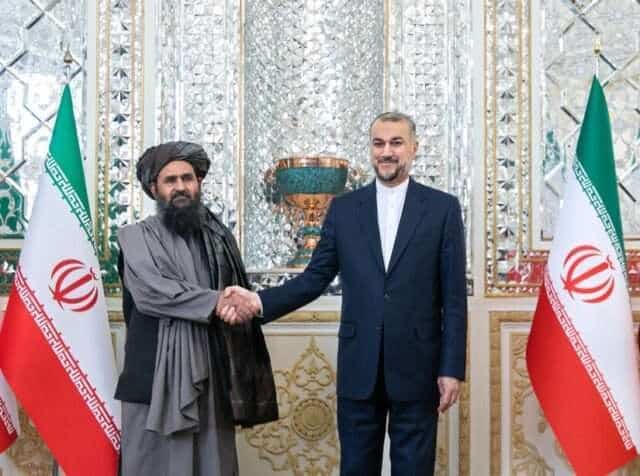
The current dynamics underscore an urgent need for the Afghan Taliban to demonstrate the same level of seriousness in Pakistan as they have shown in other neighbouring countries like Tajikistan and Iran. Coordinated efforts are necessary not only to curb militant infiltration but also to manage the humanitarian and diplomatic aspects of Afghan migration responsibly. Pakistan’s historical support and its role as a stabilising force in the region demand reciprocal commitment from Afghanistan in maintaining border security and counter-terrorism cooperation.
In conclusion, the Pakistan-Afghanistan security equation is multifaceted. It is not merely about militant attacks but involves governance, accountability, identity fraud, foreign aid utilisation, and the broader well-being of regional populations. Unless the Afghan Taliban addresses these structural deficiencies, Pakistan will continue to face a volatile border environment, with implications not only for bilateral relations but also for the stability of the wider region. A comprehensive, coordinated approach, supported by transparent accountability mechanisms and genuine diplomatic engagement, is imperative to mitigate the threat emanating from Afghan soil and to secure the future of both nations.