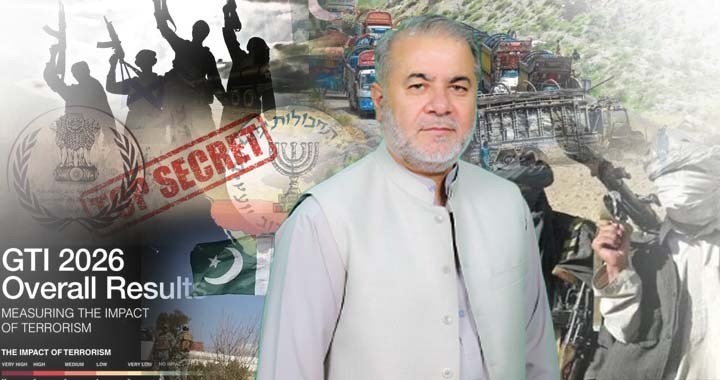
A report by the Global Terrorism Index of the Institute for Economics and Peace has ranked Pakistan as the most affected country by terrorism. The report also identifies the underlying causes of terrorism and details the actors involved in these attacks.
According to the 2026 report, the number of martyrs in Pakistan due to terrorism reached its highest since 2013. In 2025 alone, approximately 500 attacks resulted in 1,149 deaths, with the majority being security personnel. Around 11,000 people were injured during these incidents.
Most attacks in Pakistan have been claimed by the Tehreek-e-Taliban Pakistan (TTP), followed by the Baloch Liberation Army (BLA). The provinces most affected are Khyber Pakhtunkhwa and Balochistan, making Khyber Pakhtunkhwa the epicenter of terrorism in Pakistan according to both domestic and global analyses.
The increase in attacks has coincided with the Taliban’s takeover in Afghanistan in August 2021. The report notes that TTP factions operating from Afghan territory receive weapons, training, and logistical support, enabling them to maintain operational capability despite Pakistani counterterrorism measures, including airstrikes targeting militant bases.
The TTP is identified as the third deadliest group in the world. Their funding and resources originate from multiple external sources, including countries opposed to Pakistan’s interests. Some Muslim nations are reportedly among these, although their names are not disclosed. Lack of education and awareness among local populations has also contributed to the effectiveness of these militant campaigns.
The BLA, while having financial resources, lacked technical expertise and experienced fighters. TTP, being self-sufficient in personnel and operations, benefited mutually from alliances with BLA, which in turn leveraged TTP’s operational experience to enhance its own militant activities. These groups maintain close ties with Afghan territories, coordinating attacks in Balochistan and Khyber Pakhtunkhwa, while exploiting social media and diaspora networks for strategic advantage.
Terrorist networks operating from Afghanistan include Pakistani militants such as TTP and the Gul Bahadur group. When Pakistan launched cross-border operations in October 2025, the actions targeted both TTP and Afghan Taliban assets. The intent was to convey a clear message: failure of the Afghan Taliban to curb militant activity would be considered alignment with these groups. Airstrikes and targeted operations caused significant casualties, placing pressure on the Afghan Taliban and prompting a temporary ceasefire for Eid, facilitated by Turkey, Qatar, and Saudi Arabia.
Despite international efforts, the ceasefire has exposed Pakistan to ongoing threats. Pakistan has reaffirmed its readiness to respond if national security is compromised, emphasizing that leadership and militant coordination originate from cross-border networks. Operations inside Pakistan, particularly in Balochistan and Khyber Pakhtunkhwa, demonstrate Pakistan’s capability in air and missile technology and its willingness to retaliate if necessary.
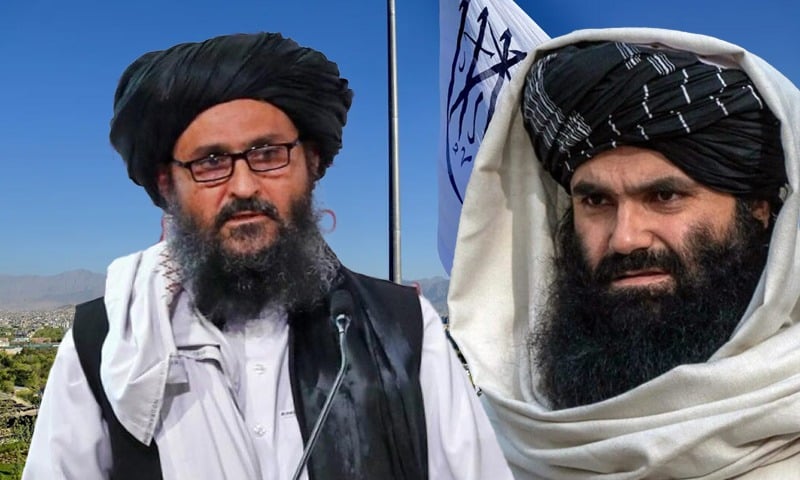
The report also highlights the risk of further attacks as the ceasefire period concludes. Historically, the Taliban have maintained consistent patterns, suggesting potential renewed hostilities. Diplomatic communications, including discussions with Afghanistan’s former leadership figures such as Hamid Karzai and the acting interior minister, Mr. Haqqani, indicate an ongoing effort to mitigate cross-border threats.
The outcome of these efforts depends on the Afghan Taliban’s ability to control banned organizations like TTP within their territory. Failure to do so could prompt Pakistan to undertake retaliatory strikes within Afghanistan, underscoring the complex dynamics of cross-border militancy and the persistent threat to Pakistan’s national security.