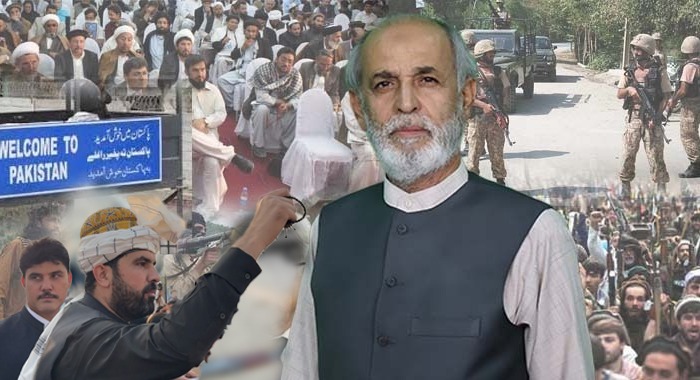
(Shamim Shahid)
The most dangerous moment in any conflict is not when bombs explode on military convoys or when armed men clash with security forces in remote mountains. The most dangerous moment is when war quietly enters homes, markets and streets, when children become targets and fear becomes routine. Khyber Pakhtunkhwa has reached that moment.
The figures alone are enough to shake any conscience. This year, according to available reports and security data, Khyber Pakhtunkhwa has witnessed 1,588 terrorist attacks. These are not abstract numbers. Behind every attack lies a human story, a shattered family, a disrupted life. What is more alarming is that civilians, not soldiers, have borne the brunt of this violence. Homes, marketplaces and ordinary public spaces are no longer collateral to conflict; they are now its primary battlefield.
This is not accidental. This is strategy.
For years, terrorism in Khyber Pakhtunkhwa followed a grim but familiar pattern. Security forces were the primary targets. Checkposts, convoys, patrols and intelligence units absorbed the impact. Today, that pattern has shifted decisively. Terrorists under pressure do what they have always done across conflict zones worldwide: they redirect violence toward the softest targets. When armed groups are squeezed operationally, they do not surrender. They mutate. They recalibrate. They aim for psychological dominance rather than tactical victories.
This year alone, more than 78,000 intelligence-based operations have been conducted across Khyber Pakhtunkhwa. That number tells a parallel story of relentless pressure on militant networks. But pressure produces consequences. As militants find it harder to strike hardened targets, they seek visibility, chaos and fear by attacking civilians. This is not desperation; it is doctrine.
Terrorism, at its core, is theatre. Its primary audience is not the immediate victim but society at large. Markets attacked at dusk, drones hovering over villages, children wounded in public spaces — these are messages, not accidents. The message is simple: the state cannot protect you. The message is false, but its repetition is lethal.
What makes the current phase particularly disturbing is the increasing sophistication of methods. Drone technology, once the exclusive domain of state actors, is now visibly present in Pakistan’s conflict landscape. Reports from Bajaur, Bannu and parts of North and South Waziristan point toward targeted drone attacks that have disproportionately hit civilians. These are not random explosions. These are precise strikes.
There is a critical distinction here that must not be blurred. Collateral damage occurs when a target is missed or miscalculated. What we are witnessing now is deliberate targeting. The drones do not stray. They choose. This marks a dangerous escalation, not just in capability but in intent.
This brings us to an uncomfortable but unavoidable reality: Khyber Pakhtunkhwa is no longer facing isolated militancy. It is facing a proxy war.
Proxy wars thrive on ambiguity. They flourish where accountability is diffused and responsibility denied. Multiple actors, multiple interests, overlapping agendas — all operating under the convenient cover of plausible deniability. In such wars, local militants become tools rather than masters, executors rather than planners.
The roots of this conflict cannot be understood without revisiting Afghanistan. Terrorism in Khyber Pakhtunkhwa did not emerge in a vacuum. It is inseparable from the Afghan war and its unfinished aftermath. Afghanistan has long been a battleground for global and regional powers, and its instability has consistently spilled across borders.
Today, several countries are once again taking keen interest in Afghanistan. Not because peace has arrived, but because strategic opportunities have reopened. The region’s geography, tribal dynamics and political fragility make it fertile ground for proxy engagement.
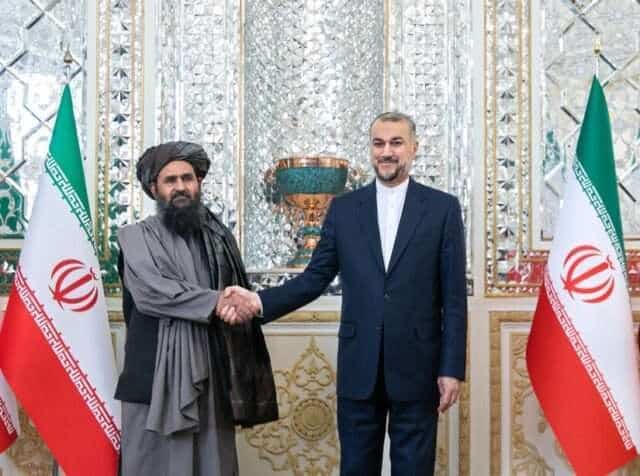
The recent meeting in Tehran, convened to discuss Afghanistan’s situation, should have been an opportunity for regional consensus. Instead, it exposed deep fractures. The Taliban government’s refusal to participate was not a diplomatic oversight; it was a calculated decision. According to informed circles in Kabul, Pakistan was expected to present a detailed charge sheet against the Afghan Taliban, documenting the use of Afghan soil by Pakistani militant groups. The Taliban understood the implications and chose absence over accountability.
A conference without the primary stakeholder becomes performative. When accusations are raised and the accused refuses to listen, outcomes die before they are born.
This was not an isolated diplomatic moment. Days earlier, a United Nations-led conference involving the United States, Pakistan, China, Russia and India revealed another layer of strategic contradiction. The United States stated that it was unconcerned with who rules Afghanistan, focusing instead on protecting its own citizens. This statement, on the surface neutral, is deeply revealing.
The United States rarely articulates its full intentions publicly. Its history demonstrates that silence often conceals strategy. While Washington claims disengagement, developments suggest otherwise. Reports of renewed American interest in the Bagram Air Base cannot be dismissed lightly. Bagram was not merely a military installation; it was a nerve centre. Fully computerised, technologically integrated and strategically irreplaceable, it symbolised American dominance in the region for over two decades.
The Taliban deny American access to Bagram, but denial does not equal control. The systems that ran Bagram were dismantled, removed or disabled by the Americans themselves. Claims that the Taliban are manufacturing weapons there are implausible. Technology cannot be reverse-engineered by ideology. Control requires expertise, not slogans.
If external pressure from actors like Qatar or Saudi Arabia intensifies, the Taliban’s resistance may weaken. An American return to Bagram, overt or covert, would fundamentally alter Afghanistan’s internal balance of power and further destabilise the region. It would also embolden proxy actors operating in Pakistan.
Meanwhile, Pakistan finds itself trapped in a strategic paradox. On one hand, it faces escalating terrorism with clear cross-border linkages. On the other, diplomatic engagement with Kabul remains stalled. Trade routes are closed, transit agreements suspended, borders tightened. Afghan returnees face severe hardship, especially in winter. These pressures, while understandable, also create humanitarian stress that militant narratives exploit.
There are ongoing efforts behind closed doors. Saudi Arabia and Qatar are reportedly facilitating backchannel diplomacy between Islamabad and Kabul. These initiatives recognise a harsh truth: isolation rarely produces compliance. If Pakistan disengages entirely, others will fill the vacuum, often at Pakistan’s expense.
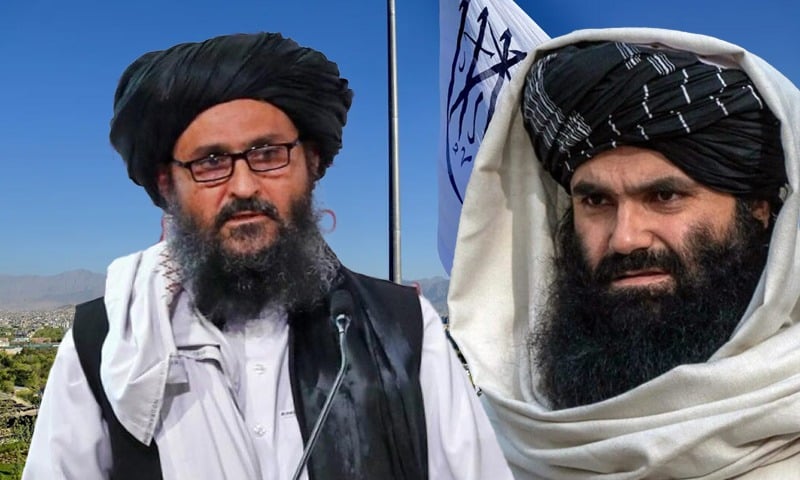
At the same time, internal fractures within the Taliban cannot be ignored. Sirajuddin Haqqani’s recent remarks in Khost, where he openly criticised the Taliban government’s policies, signal deepening divisions. This is not dissent from the margins; it is dissent from the core. A fractured Taliban is unpredictable, and unpredictability in Afghanistan always translates into instability in Pakistan.
The situation in Balochistan further complicates the national security landscape. While the province has seen relative improvement compared to previous years, conflict remains embedded. This is not merely a security issue; it is political. Money alone cannot resolve grievances rooted in representation, autonomy and trust. Past committees, from Chaudhry Shujaat Hussain to others, produced recommendations that now gather dust. The state’s reluctance to act on its own diagnoses perpetuates the problem.
Pakistan stands at a crossroads. Militarily, pressure on militants must continue. Politically, engagement cannot be avoided. Diplomatically, clarity is essential. Ambiguity favours proxies, not states.
But above all, the state must recognise the human dimension of this war. When civilians become targets, the social contract fractures. Fear erodes faith faster than bullets. Khyber Pakhtunkhwa’s people have endured decades of conflict with resilience, but resilience is not infinite.
The war has come home. It sits in living rooms, hovers over rooftops and waits in marketplaces. Ignoring this reality is no longer an option. The question is not whether Pakistan can win militarily. The question is whether it can reclaim peace before fear becomes permanent.
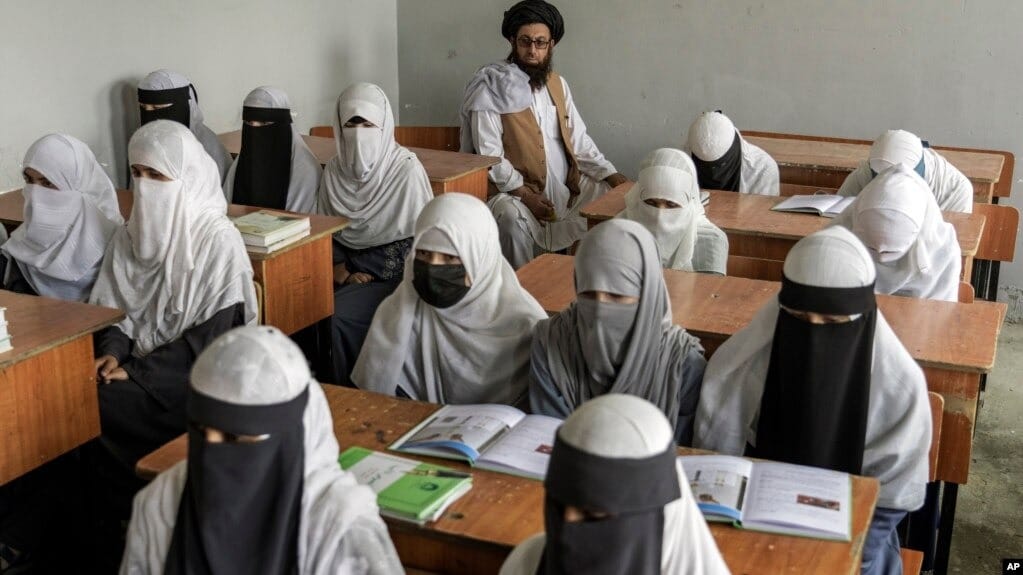
History will not judge us by how many operations we conducted, but by whether our children can walk to school without looking to the sky.