Terrorism, or militancy, has remained a defining challenge for Pakistan for the past thirty five years. Its roots lie not only in Pakistan, but in the long and turbulent history of Afghanistan where the Taliban and Al Qaeda once held power before being toppled by the United States. Pakistan became a partner in the American war on terror, and once operations began against militant groups that had entered Pakistan from across the world, those very groups turned their guns towards the Pakistani state. There is hardly any community in Pakistan that has not been touched by this war.
Today, while the situation is better than before, the threat persists. It is a do or die moment for many militant groups operating inside Pakistan. Over the past year alone, more than fifty militant groups have joined the Tehreek e Taliban Pakistan which means the landscape is no longer defined by TTP alone. These groups have fought in Kashmir in the past, then in Afghanistan, and with no active conflict in those theatres and no foreign troops left in Afghanistan, they now find Pakistan to be the easier and softer target along with its law enforcement agencies.
Ending this war will not be easy. It requires unified commitment. Pakistan’s internal war on terror remains controversial for some segments. Some call it the West’s war, others call it something else, but in reality it has become Pakistan’s own war because the targets today are Pakistani forces and Pakistani citizens. Attacks like the suicide bombing in Islamabad, the attack in Wana and the assault on the FC Headquarters in Peshawar show how determined militant groups remain. Three terrorists were killed in the FC attack, and if they had succeeded in entering the premises, the casualties would have been devastating. The area is always busy and security forces acted with vigilance and restraint, preventing greater loss. Still, stopping suicide attackers is extremely difficult. They know their targets and routes, and once they detonate themselves or breach an outer layer, damage becomes inevitable.
Political unity is essential. All political parties and leadership must sit together with the security establishment and decide what more can be done because Pakistan has already exhausted several options. Terrorists from regions like Bajaur and Dera Ismail Khan can make their way to major cities because people from all parts of Pakistan are involved in these organisations. Reporting on them for more than two decades reveals how much knowledge and access they have. They understand modern gadgets, routes, communities and vulnerable points. Fighting an external enemy is one thing, fighting those who live among you, know you and blend within society is entirely different and far more difficult.
Regional concerns about Afghanistan are rising. The European Union, China and Tajikistan have expressed worry. China has reminded that Afghanistan is an undeniable neighbour and instability there affects everyone. Many Pakistanis still fail to grasp that Pakistan hosted more than three million Afghan refugees for forty years. Entire families built their lives here with freedoms they did not enjoy elsewhere. Rival Afghan factions fought and targeted each other inside Pakistan long before recent tensions, and Pakistan continues to bear the consequences of these historic realities.
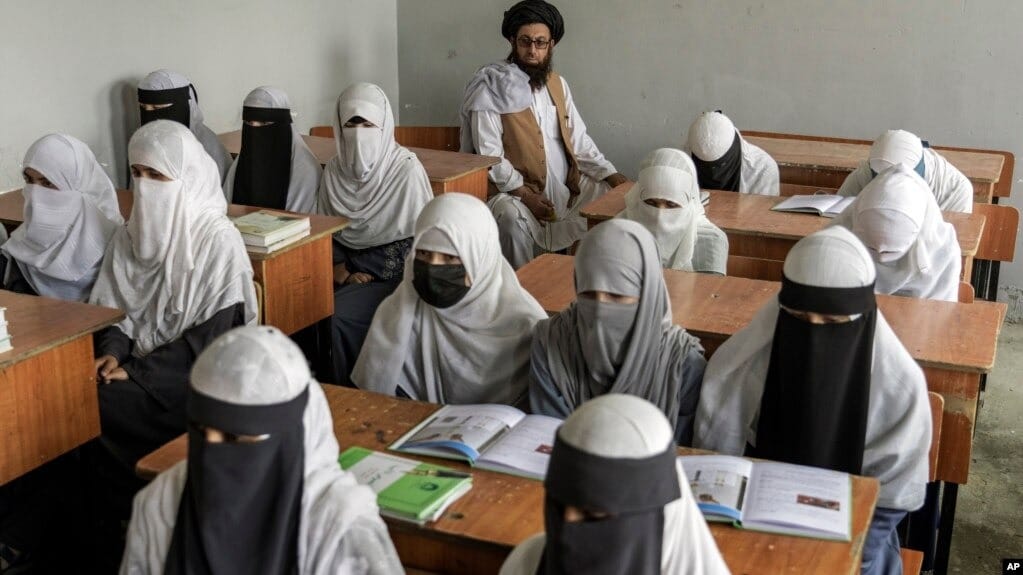
Whatever happens in Afghanistan deeply affects Pakistan. Thousands of TTP fighters are currently inside Afghanistan and they use Afghan soil to mount attacks in Pakistan. There is widespread concern not only in Pakistan but in neighbouring countries because the Taliban came to power in 2021 and the year 2025 is almost ending but there is still no clear plan for governance, economy or stability. Education is restricted, poverty is severe and the economic situation is extremely bad. The European Union has raised similar concerns.
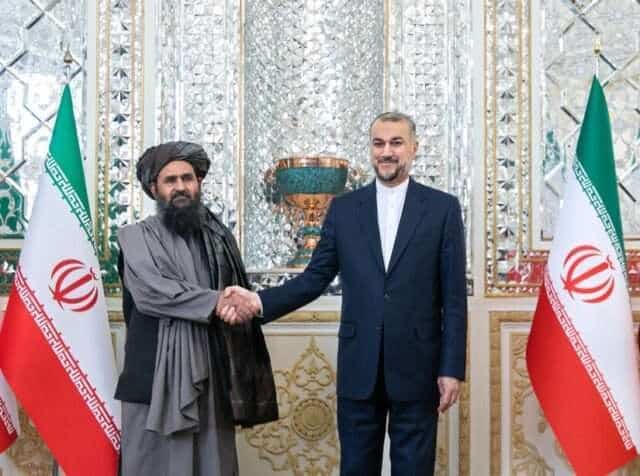
The Taliban government should act, especially now when relations with Pakistan are strained, borders are closed and ports are inaccessible. Afghanistan has redirected nearly eighty percent of its trade to Chabahar, built by Iran with India’s collaboration. The Taliban leadership is visibly drawing closer to India. They have the right to pursue their developmental interests, but if relations with immediate neighbours remain tense, the situation will only become harder for them to manage. Pakistan has always been most useful and accessible to Afghanistan and vice versa, which is why these matters should ideally be resolved through bilateral engagement.
If the Taliban do not cooperate with the concerns shared by the EU and regional partners, then the next steps become complicated. The present situation is already extremely bad. Borders have been closed for more than a month and it is ordinary Afghans suffering the most. Their exports have fallen, their access to Pakistan’s market has collapsed and alternative routes are expensive. Claims that Pakistan lacks Afghan fruits like apples or pomegranates ignore the fact that these items are still available in Pakistan. Exporting perishable goods to Russia or Central Asia does not change geographical realities or distance.
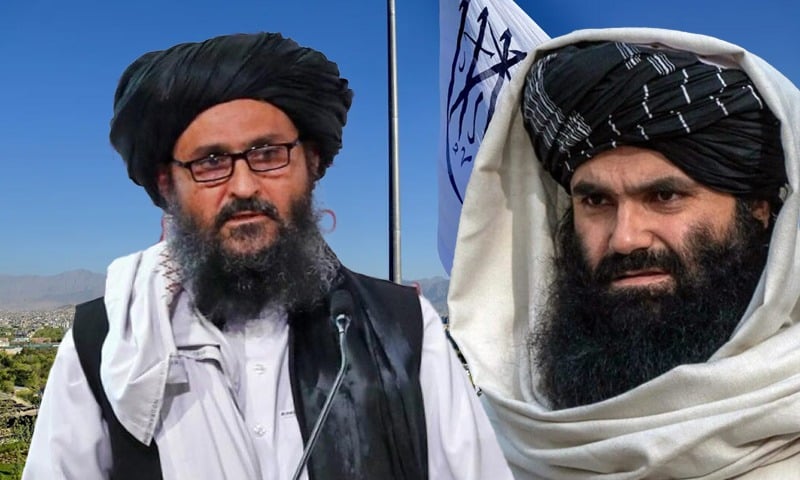
Afghanistan desperately needs peace. Its people deserve stability. But taunting Pakistan over trade does not reflect the truth because Pakistan still has everything it needs within its market. The real test is for the Afghan and Pakistani leadership to sit together and find solutions. Afghanistan is essentially controlled by one authority, the Ameer ul Momineen, and decisions flow from there with very limited access for others. Pakistan, on the other hand, has a parliament, debate, meetings and relatively free media. Afghanistan lacks such space. One cannot freely speak, write or question policy. Whatever statement emerges from the top becomes the narrative of the whole nation.
Many Afghans privately disagree with these anti Pakistan attitudes but cannot speak due to fear. Anti Pakistan sentiment is so high that anyone who states an objective fact is accused of siding with Pakistan. Truth cannot be spoken even when it is clear. People cannot say when their own leaders are wrong, or when decisions harm Afghanistan. They remain silent out of fear and helplessness.
Pakistan’s major concern today is the TTP threat which has resulted in heavy casualties, especially among security personnel, over the past year. Many Afghans also disagree with the hostility between Kabul and Islamabad but cannot voice their views. Businesses worth billions have halted and thousands of livelihoods depend on cross border movement.
Despite differences, truth must be acknowledged. Pakistan has done good for Afghans in the past and this must be remembered. Speaking truth should not be a crime. In Afghanistan, unfortunately, truth cannot be spoken openly. Restrictions and bans silence ordinary people who see the reality clearly but cannot express it.
This is the complexity both countries face. The challenge is enormous, the stakes are high and the need for sincere, fearless engagement is greater than ever.