Recent developments along the Pakistan-Afghanistan border highlight a troubling trajectory in regional security, underscoring the risks posed by the Afghan Taliban’s policies, the resurgence of militant networks, and the unchecked movement of extremists across porous borders. While the world continues to monitor Afghanistan’s internal situation, there is a pressing concern that the Afghan Taliban’s actions are increasingly destabilising Pakistan, threatening regional security, and complicating international efforts to curb terrorism.
Over the past months, multiple reports have indicated that the Afghan Taliban have released thousands of individuals previously convicted of serious crimes, including terrorism-related offenses, during their takeover in August 2021. These releases encompassed hardline militants from groups such as the banned Tehreek-e-Taliban Pakistan (TTP), Balochistan Liberation Army (BLA), and various local splinter factions. Estimates suggest that approximately 3,200 hardcore criminals, many of whom were actively involved in militancy and armed attacks against the Pakistani state and its allies, were freed, while another 4,300 individuals saw their sentences reduced.
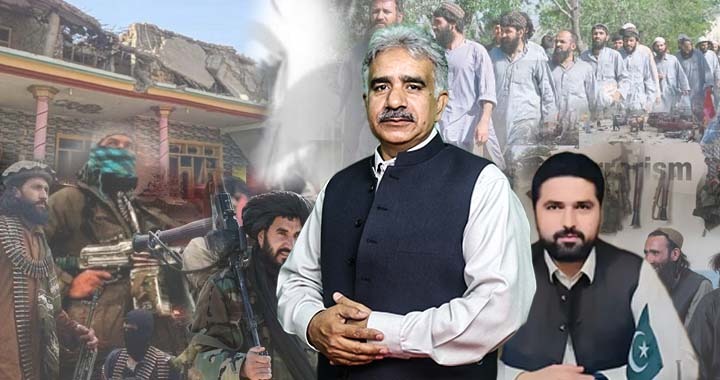
The implications of these actions are far-reaching. Experts and analysts within Afghanistan have warned that these released militants are capable of returning to the battlefield, not only within Afghanistan but also across the border into Pakistan. Already, there is evidence suggesting that Taliban-backed elements are facilitating the movement of TTP militants into Pakistan through difficult and lesser-known routes, bypassing official checkpoints. These pathways, historically used for smuggling and human trafficking, now serve as conduits for armed extremists. Recent intelligence indicates that militants are operating from areas such as Tirah Valley, Bara, Achini, and Sarband, eventually reaching urban centres like Peshawar.
The threat is compounded by the Taliban’s apparent alignment with extremist factions, as well as their interactions with external actors who may indirectly support these groups. There are growing concerns about the Afghan Taliban’s connections with countries such as India and Israel, which, according to intelligence sources, are influencing regional destabilisation efforts. Observers note that the Taliban, by patronising militant networks, are not only undermining Pakistan’s security but also creating conditions for broader regional instability. International actors, including Russia, China, Denmark, and the European Union, have repeatedly flagged Afghanistan as a potential source of transnational threats, yet there has been little indication that the Taliban are taking these concerns seriously.
Recent incidents illustrate the severity of the threat. Attacks on Pakistan’s Frontier Constabulary headquarters, the Army Public School in Wana, and various government installations in Islamabad have been linked to militants operating from Afghan soil. These attacks underscore the operational capability of TTP and affiliated splinter groups, who now appear emboldened by the Taliban’s tacit support. Notably, investigations have confirmed that many of these attackers were Afghan nationals, emphasising the transnational dimension of the threat.
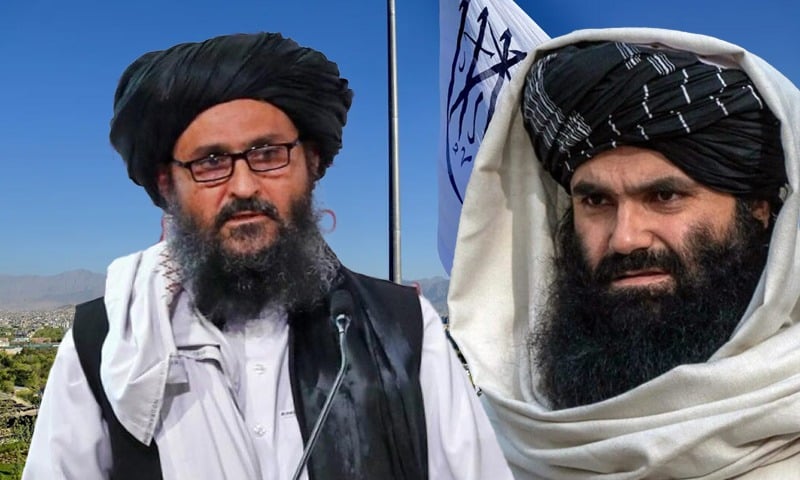
The Taliban’s approach reflects a shift from the ideological and religious narratives they espoused during their rise to power to a more transactional, survival-oriented strategy. Their current priorities appear focused on consolidating economic leverage, trade partnerships, and international recognition, often at the expense of Afghan stability and the safety of neighbouring countries. This pragmatic turn, however, has exacerbated tensions with Pakistan, as the Taliban’s tolerance—or even encouragement—of cross-border militancy undermines bilateral relations and jeopardises regional security.
Within Afghanistan, resistance movements and local armed groups remain active. Forces loyal to former leaders, including the Afghan Resistance Front led by the son of Ahmad Shah Masood, have positioned themselves as counterweights to Taliban rule. The Taliban’s failure to maintain control over all militant factions within Afghanistan has left them vulnerable to both internal clashes and challenges from groups such as the Islamic State Khorasan Province (IS-KP), which now controls several strategic urban centres and provinces, including Paktia, Paktika, Khost, Nimroz, and parts of central Afghanistan. This fragmentation contributes to instability along the border, increasing the risk of attacks in Pakistan.
Intelligence assessments highlight the operational sophistication of these militants. They exploit rugged terrain, rural networks, and unmonitored routes to infiltrate Pakistani territory, often blending with civilian populations. Incidents such as the attack on the FC headquarters in Peshawar underscore the ability of these groups to conduct coordinated assaults while maintaining operational security. Analysts note that the militants’ use of such tactical routes demonstrates both their local knowledge and their capacity to exploit gaps in border management.
Beyond the immediate threat of attacks, there is a broader concern regarding the social and informational environment that facilitates militancy. The rise of hybrid warfare, including narrative campaigns and social media influence operations, has amplified extremist messaging and undermined public trust in state institutions. Networks associated with Pakistan-based political movements, university educators, and social development experts have at times been co-opted, intentionally or inadvertently, into narratives that erode confidence in security agencies and normalise militant agendas. Observers warn that unless counter-narrative strategies are implemented, these narratives could exacerbate radicalisation among vulnerable populations.
Regional geopolitics further complicate the situation. Pakistan has actively engaged with neighbouring countries, including Iran, China, and Russia, to ensure coordinated border security, counterterrorism collaboration, and stability along key trade and energy corridors. Iran’s recent engagement with Pakistan, including high-level meetings addressing regional security threats, underscores the shared concern regarding militant cross-border movements. These efforts, coupled with China’s focus on connecting trade routes through Afghanistan and Pakistan, signal a recognition among regional powers that Afghanistan’s internal instability has ramifications beyond its borders.
Despite international scrutiny, the Taliban have largely ignored calls to take meaningful action against terrorist groups within their territory. Their reluctance to clamp down on militants reflects a strategic choice to maintain leverage over extremist factions, many of whom could be deployed as tools of influence or coercion against Pakistan. Such a posture, however, risks provoking stronger countermeasures and retaliatory operations by Pakistani security forces, who have repeatedly demonstrated both capability and resolve in responding to cross-border threats.
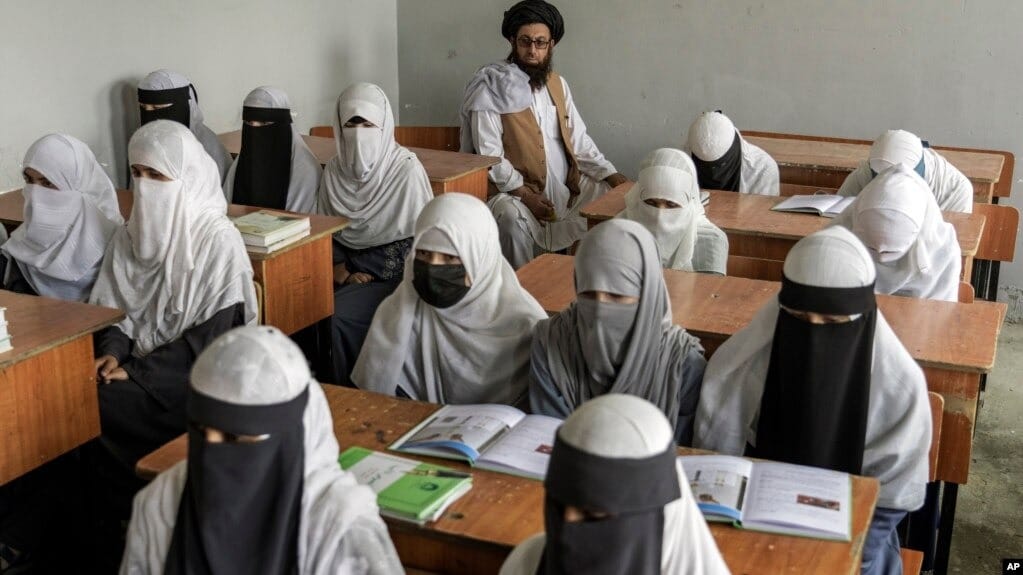
The security calculus is further complicated by the Taliban’s domestic failures. The regime’s inability to provide basic rights, maintain human security, and manage economic development has fostered internal discontent. Women, children, traders, and local communities have borne the brunt of these policy failures, which the Taliban have attempted to offset by promoting trade and business relationships with external powers. Yet, these initiatives have failed to translate into genuine stability or public trust, leaving both Afghanistan and neighbouring countries exposed to heightened security risks.
Experts warn that Pakistan cannot afford complacency. The TTP, IS-KP, and other extremist factions, reinforced by Taliban patronage, constitute a direct threat not only to Pakistan’s internal security but to regional stability. Retaliatory operations, border security enhancements, and coordinated intelligence efforts are essential to mitigating these risks. Failure to act decisively may allow militants to consolidate positions in border regions, plan further attacks, and exploit political and social vulnerabilities in Pakistan.
The strategic message is clear: while the Afghan Taliban prioritise economic survival and international recognition, their policies—intentional or otherwise—are fostering conditions for renewed militancy. Their failure to control extremist groups, combined with cross-border infiltration and a permissive operational environment, is destabilising the region. Simultaneously, the proliferation of narratives that vilify state institutions and justify violence against civilians poses an insidious threat that extends beyond physical attacks, potentially undermining public confidence and social cohesion.
In conclusion, the evolving situation demands a multifaceted response. Pakistan must continue to leverage diplomatic channels, strengthen border security, and enhance intelligence capabilities to counter the immediate threat from militants operating from Afghanistan. At the same time, addressing narrative warfare, monitoring extremist influence, and engaging with regional partners are essential to safeguarding long-term stability. Without coordinated action, the combination of Taliban patronage, militant resurgence, and transnational support networks risks not only renewed violence in Pakistan but also broader regional instability that could affect international security and economic interests.
The Afghan Taliban’s actions have demonstrated that their priorities lie in consolidating power, advancing economic interests, and maintaining leverage over militant groups. For Pakistan and the region, this is a stark reminder that vigilance, strategic planning, and proactive engagement are indispensable to protecting both national security and regional peace.