The suicide attack on the Fateh Khel police station in Bannu was not just another terrorist incident. In my opinion, it was a reminder that Pakistan continues to face a determined and evolving terrorist threat, particularly in the southern districts of Khyber Pakhtunkhwa bordering Afghanistan.
I have covered militancy and security developments in this region for years, and one thing remains clear to me: terrorist networks linked to banned organizations continue searching for opportunities to inflict maximum damage whenever pressure on them increases.
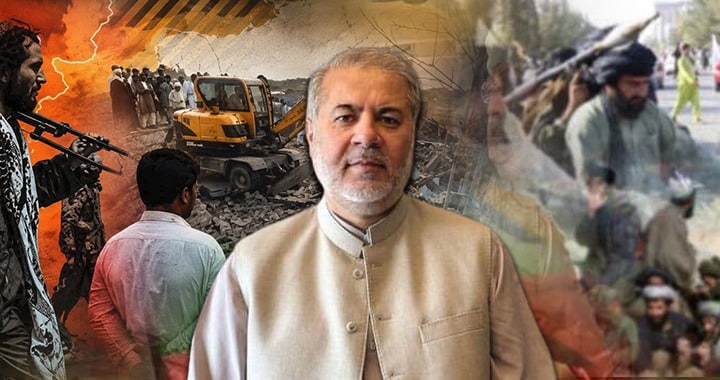
According to senior police officials in Bannu, the attackers used a vehicle carrying nearly 1,500 to 1,600 kilograms of explosives. The blast completely destroyed the police post, burying personnel under the debris. Fifteen policemen embraced martyrdom, while others were injured. Even nearby civilian structures suffered damage because of the intensity of the explosion.
The attack once again highlighted the dangerous operational capability of networks linked to Hafiz Gul Bahadur, whose fighters have repeatedly targeted areas including Bannu, Lakki Marwat and North Waziristan.
In my assessment, this network differs from many other terrorist factions because it carries out fewer attacks, but when it strikes, the attacks are usually highly coordinated, large-scale and extremely destructive.
Bannu has remained strategically important for decades due to its proximity to North Waziristan and other sensitive regions. Even though major military operations were historically concentrated in North Waziristan, the spillover effects of militancy have continued affecting surrounding districts.
Pakistan’s security forces, police and law enforcement agencies have sacrificed enormously in restoring stability across these areas over the years. However, terrorist groups operating from sanctuaries across the border continue attempting to regroup and launch attacks inside Pakistan.
Pakistan has repeatedly maintained that Afghan soil is being used by terrorist organizations against Pakistan. Afghan authorities deny these allegations, but the continued presence of TTP leadership and associated commanders inside Afghanistan remains a serious concern for Islamabad.
The recent summoning of the Afghan chargé d’affaires by Pakistan reflects the seriousness with which the state views such incidents.
At the same time, I believe greater coordination between institutions, stronger intelligence sharing and sustained pressure on terrorist infrastructure are essential to prevent future attacks of this magnitude.
The sacrifices made by policemen in Bannu should not be viewed in isolation. These officers were defending not just a check post, but the broader stability of Pakistan against forces that seek chaos and fear.
One important aspect that deserves attention is the ideological narrative being pushed by terrorist groups.
Recently, Noor Wali Mehsud attempted to justify the TTP’s campaign through an audio statement referencing religious arguments and historical fatwas. In my view, this itself demonstrates that terrorist organizations still seek religious legitimacy for violence against Pakistan.
This is why the role of credible religious scholars is extremely important.
Respected scholars from across sects and schools of thought should continue clearly rejecting terrorism, suicide attacks and armed violence against the Pakistani state and civilians. There should be no ambiguity on this issue.
I also believe that regional diplomacy remains important. The recent diplomatic engagement involving Pakistan, Afghanistan and China indicates that dialogue channels remain open despite tensions. Stability in the region ultimately benefits both Pakistan and Afghanistan.
However, dialogue alone cannot succeed without concrete action against terrorist sanctuaries and networks.
The people of Khyber Pakhtunkhwa, especially districts like Bannu, North Waziristan and Lakki Marwat, have suffered immensely due to decades of terrorism. Yet despite repeated attacks, the resilience of local communities, security personnel and ordinary citizens remains remarkable.
The Fateh Khel attack was painful and tragic, but it also reinforced another reality: Pakistan’s fight against terrorism is far from over, and continued unity, vigilance and national resolve remain essential to defeating this threat permanently.