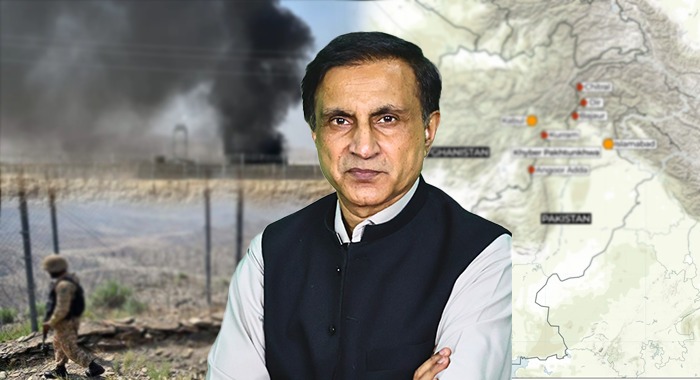
(Arshad Aziz Malik)
A significant development has emerged along the Pakistan-Afghanistan border: a temporary ceasefire has been declared, brokered under the auspices of Iran, Qatar, Turkey, and Saudi Arabia. On the surface, this truce appears to mark a pause in hostilities. Yet, beneath this pause lies a complex, multi-layered strategic calculus one that Pakistan has navigated with intelligence, precision, and patience, while the Afghan regime’s narrative continues to be marred by misinformation and contradictory claims.
The ceasefire, effective from the night of March 18 until the morning of March 24, is conditional. Pakistan has explicitly stated that it will maintain the pause only if Afghan forces and territory remain free of provocations. Any attack on Pakistani soil or borders will be met with an immediate response. This conditional framework reflects Pakistan’s broader strategic philosophy: it is willing to pursue peace, but not at the expense of national security or the integrity of its counterterrorism operations.
The period leading up to the ceasefire was tense. Cross-border hostilities, conflicting reports, and viral claims of civilian casualties created a heightened atmosphere of uncertainty. Among the most controversial claims was the allegation that Pakistan had struck a hospital in Afghanistan, killing hundreds of civilians. Upon examination, these claims were not substantiated. Pakistan’s military operations are guided by precise intelligence, multiple verification steps, and strict authorization protocols. Guided missiles are used to ensure that targets are neutralized with near-perfect accuracy, leaving no room for collateral damage. The narrative of a hospital strike with massive casualties is demonstrably false.
Afghan authorities have repeatedly issued statements alleging Pakistani attacks, often exaggerating casualties or misrepresenting target locations. In some instances, facilities described as hospitals were alternatively referred to as rehabilitation centers. Numbers have varied inconsistently, from 100 to 400 alleged fatalities. None of these claims are corroborated by credible evidence or media reporting. Historical patterns reveal that such narratives often serve domestic political purposes or aim to project an image of victimhood to international audiences, particularly India and Western stakeholders.
Pakistan’s operational methodology stands in stark contrast to these exaggerated claims. Before any strike, intelligence is cross-verified through multiple sources, including field operatives on the ground. Detailed analyses assess the surrounding environment, the potential for collateral damage, and the strategic value of the target. High-level authorization ensures accountability. Even the deployment of jets and missiles adheres to strict operational discipline: guided missiles strike with precision, eliminating unintended damage, and ensuring that civilian casualties are avoided wherever possible.
The temporary ceasefire is not only a tactical pause but a diplomatic opportunity. Regional actors including Saudi Arabia, Turkey, Qatar, and Iran urged both countries to halt hostilities during Eid. Their advocacy reflects a recognition of the symbolic and practical significance of this period. Pakistan’s willingness to agree demonstrates both goodwill and strategic foresight. By conditioning the ceasefire on Afghan restraint, Pakistan maintains operational readiness while signaling openness to dialogue.
The fragile pause also highlights the complexity of insurgent networks operating within Afghanistan. Groups such as Tehrik-i-Taliban Pakistan (TTP) and affiliated factions are fragmented, often acting independently of central Afghan authority. Intelligence indicates that some individuals targeted in recent operations were being prepared for cross-border attacks, including suicide missions. These operatives were allegedly being drugged, trained, and fitted with explosives before being dispatched to Pakistan. Pakistan’s precision strikes neutralized these threats before they could materialize, illustrating the effectiveness of proactive counterterrorism measures.
While the ceasefire spans three to five days, its temporary nature signals cautious optimism. Pakistan remains vigilant, aware that militant factions may act independently of Afghan government directives. Leadership in Pakistan, including the military, has adopted a posture of deterrence: peace where possible, decisive action if provoked. This dual approach demonstrates a long-term strategic philosophy that prioritizes national security while remaining open to diplomacy.
Regional geopolitics further complicates the picture. External actors including India, Israel, and Western powers have reportedly supported Afghan-based groups through technological transfers, drone supply, and operational guidance, aiming to keep Pakistan engaged militarily. Advanced drones, AI-generated misinformation campaigns, and strategic disinformation amplify the operational challenges. Pakistan’s disciplined, intelligence-driven approach contrasts sharply with these external efforts, demonstrating a clear advantage in operational control and strategic clarity.
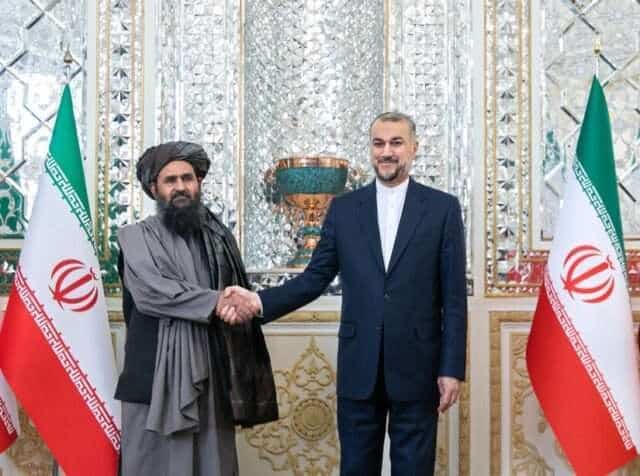
Iran’s involvement adds another layer of complexity. Despite being technologically advanced adversaries, including Israel, Iran has maintained resilience, deploying ballistic missile systems with multiple warheads capable of targeting broad areas. Pakistan’s engagement in mediating dialogue between Iran and Afghanistan reflects a strategic effort to prevent escalation while maintaining regional stability. This mediation underscores Pakistan’s dual role: defending its borders while balancing broader regional diplomacy.
The ceasefire is also a test of operational discipline and domestic security. TTP and affiliated groups continue to pose threats to Pakistan, with ambitions spanning both Afghan and Pakistani territory. By neutralizing imminent threats before they materialize, Pakistan demonstrates a sophisticated approach that integrates intelligence, military precision, and careful monitoring. The pause provides an opportunity to recalibrate, verify Afghan commitments, and assess the credibility of insurgent compliance.
Success of the ceasefire depends on several critical factors: Afghan government coordination, the control of insurgent factions, and the sustained engagement of regional actors. If these conditions are met, the temporary pause could extend, potentially laying the groundwork for longer-term conflict management. Yet historical precedents caution against unreserved optimism. Previous agreements with Afghan authorities and insurgent factions have repeatedly failed, reflecting organizational fragmentation and opportunistic behavior. Pakistan’s strategy of verification, conditional engagement, and preemptive countermeasures ensures that any peace is both monitored and reversible.
Information warfare plays a central role in this conflict. Misinformation and propaganda campaigns, often amplified by AI-generated media, have distorted public perception and exaggerated incidents of civilian harm. Malik emphasizes the importance of analytical rigor, relying on verified intelligence to counteract these narratives. Pakistan’s transparent communication about target selection and operational conduct provides clarity, contrasting with the Afghan regime’s inconsistent and sensationalized claims.
Geopolitical stakes extend beyond the immediate border. Rivalries between Iran and Saudi Arabia, strategic ambitions of Israel and India, and Western interventions intersect with local security dynamics. Pakistan’s diplomatic initiatives aim to prevent escalation between Afghanistan and Iran and to manage broader regional tensions. These efforts reflect a comprehensive understanding of historical grievances, operational realities, and the strategic environment of insurgent networks.
The temporary ceasefire represents both opportunity and challenge. It allows for stabilization, reduces immediate threats, and opens space for constructive dialogue. Yet it is a test of Pakistan’s intelligence capacity, operational discipline, and diplomatic engagement. If managed effectively, it could establish momentum for extended ceasefires or broader agreements. Mismanagement or violations, however, could rapidly unravel the fragile peace.
Pakistan’s strategy emphasizes intelligence accuracy, precision targeting, and regional coordination. Historical lessons inform this approach: previous agreements with Afghan authorities or regional actors have often been fragile, and trust must be earned through consistent, verifiable action. This patience and calculated restraint reflect a mature understanding of both tactical and strategic dimensions of conflict.
The ceasefire also highlights the evolving nature of modern conflict. Advanced technology, social media manipulation, and insurgent fragmentation have created a complex operational environment. Pakistan’s approach, combining precision, discipline, and strategic foresight, contrasts with the chaotic and propagandized narratives propagated by adversaries. This method reinforces credibility and operational effectiveness while countering attempts to destabilize the region.
Regional diplomacy is equally significant. Iran, Qatar, Saudi Arabia, and Turkey’s involvement demonstrates vested interests in maintaining stability and containing extremist networks. Their calls for a temporary ceasefire during Eid reflect a nuanced understanding of symbolic and practical aspects of peace-building. Pakistan’s coordination with these actors highlights its role as both a stabilizing force and proactive mediator.
In conclusion, the temporary ceasefire between Pakistan and Afghanistan embodies a complex interplay of military precision, strategic patience, regional diplomacy, and information management. Pakistan’s approach, characterized by intelligence-driven operations, conditional engagement, and careful monitoring of insurgent threats, demonstrates a commitment to national security while remaining open to dialogue.
The fragility of the ceasefire, the presence of multiple insurgent factions, and external actors’ involvement indicate that challenges remain significant. Yet, this pause also offers an opportunity for constructive engagement, verification of Afghan commitments, and potential extension of the truce.
The coming days will be decisive. Should the ceasefire hold, even temporarily, it could represent a rare moment of stability in a historically conflict-prone region, highlighting the efficacy of disciplined intelligence, strategic precision, and diplomatic engagement. Conversely, violations or provocations would reaffirm Pakistan’s need for continued vigilance, underlining the inherent challenges of maintaining peace amidst fragmented militant networks and competing regional interests.
This temporary ceasefire is more than a tactical pause—it is a strategic statement. It communicates Pakistan’s willingness to pursue peace through conditional engagement, demonstrates operational competence, and signals diplomatic capacity in a complex regional environment. The delicate balance between opportunity and risk, optimism and realism, underscores the complexity of security in South and Central Asia.
For Pakistan, the ceasefire offers a measure of respite and a test of strategic patience. Its success or failure will resonate across the region, shaping perceptions of operational credibility, diplomatic effectiveness, and the broader capacity for conflict management in an increasingly interconnected and contested environment.